
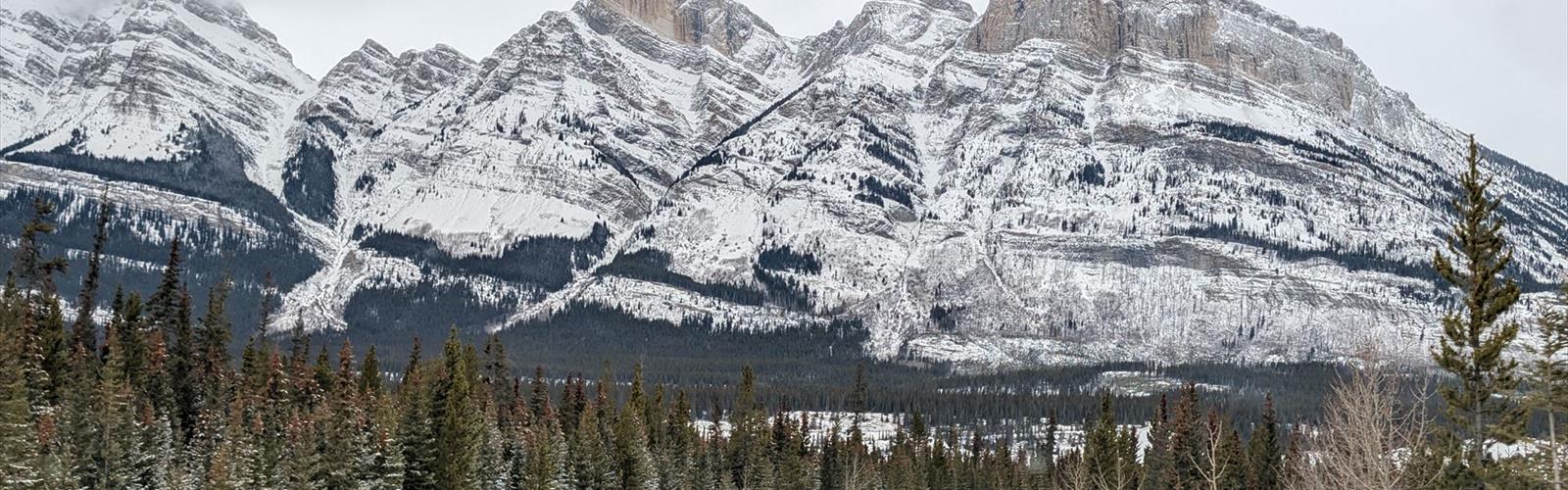

Ready to explore Mount Sarbach? Here's everything you need to know before you go!
Discover the trail
Trail description
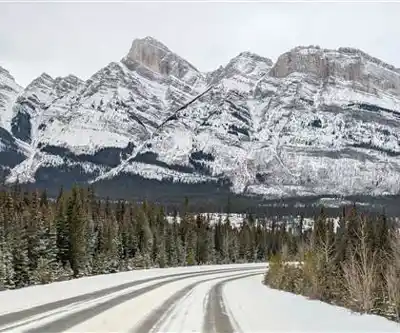
Mount Sarbach stands at 3,150 meters (10,335 feet) in the Canadian Rockies, positioned between Banff and Jasper National Parks in Alberta. At 22 kilometers round trip with 3,139 meters of elevation gain, this is a serious objective — one of the more demanding summit routes in the region. Budget a full day for it; the estimated time of 12 hours and 30 minutes is realistic, and rushing this one is not an option.
The Route
The trail pulls you through several distinct environments on the way up, which keeps the experience from feeling monotonous despite the relentless elevation gain. The lower section moves through dense montane forest — the kind where the canopy closes overhead and the trail stays cool even on warm summer mornings. It's a good warm-up, but don't let it lull you into a false sense of ease.
Mountain streams cross the route at various points in the lower and mid elevations. These are natural spots to refill water and take a breather before the terrain opens up. As you gain elevation, the forest thins and eventually gives way to open alpine terrain. The transition is gradual but unmistakable — the views start opening up, the wind picks up, and the character of the hike shifts entirely.
The alpine meadow section, when the season is right, is genuinely striking. Wildflowers push through the thin soil between limestone outcrops, and the contrast between the delicate blooms and the raw grey rock above is the kind of thing that sticks with you. This is also where you start to get your first real sense of the summit and what's still ahead.
The upper mountain is where Mount Sarbach earns its very hard rating. The route becomes a scramble — hands on rock, route-finding required, exposure increasing with every hundred meters of gain. This section demands focus and solid footing. If you're not comfortable on steep, loose rock with significant drop-offs nearby, this is not the mountain to push your limits on for the first time.
Summit Views
The payoff at 3,150 meters is substantial. The summit delivers a full 360-degree panorama across the Canadian Rockies — layered ridgelines, glaciated peaks, and deep U-shaped valleys that tell the story of the ice ages that carved this landscape. On a clear day, the Columbia Icefield is visible to the north, a reminder of just how much ice still exists in this corner of Alberta. The scale of what you can see from up here is genuinely hard to process — it's one of those summits where you find yourself just standing and looking for longer than you planned.
Wildlife
Mountain goats are a regular presence on the upper slopes and ridgelines — they're well adapted to exactly the kind of terrain you'll be scrambling through, and spotting one navigating a cliff face you just struggled up is a humbling experience. Elk are more common in the lower elevations and meadow zones, particularly in the early morning hours.
Grizzly bears inhabit this area. That's not a reason to avoid the mountain, but it is a reason to carry bear spray, make noise on the trail, and store food properly. Follow established protocols for bear country travel — this is their home range, and encounters, while uncommon, do happen.
What to Bring
The elevation gain on this route is significant enough that your gear choices matter. A few things worth emphasizing:
- Footwear: Stiff-soled hiking boots with solid ankle support. Trail runners are not appropriate for the scrambling sections on the upper mountain.
- Water: Carry more than you think you need. The physical output over 12-plus hours at altitude is substantial, and dehydration will end your day faster than tired legs.
- Layers: Mountain weather in the Canadian Rockies can shift from warm and sunny to cold, windy, and wet within a couple of hours. A waterproof shell and insulating mid-layer are non-negotiable.
- Food: High-calorie snacks and a real meal for the summit. You'll burn through your reserves on a day this long.
- Early start: Afternoon thunderstorms are common in the Rockies during summer. Being on the exposed upper mountain when lightning rolls in is a serious hazard — aim to summit before early afternoon.
Who This Is For
Mount Sarbach is not a beginner hike. The combination of distance, elevation gain, scrambling terrain, and high-altitude exposure puts it firmly in the category of experienced mountain hikers and scramblers. You should be comfortable with route-finding, have previous multi-hour alpine days under your belt, and be honest with yourself about your fitness level before committing to this one. That said, for hikers who are ready for it, Mount Sarbach delivers the kind of full-day Rocky Mountain experience that's hard to find anywhere else in Alberta.
The Essential Hiking Checklist
Everything you need for your next hike. Bilingual, printable, 1 page.
Get your free hiking checklistRecommended gear for this trail
As an Amazon Associate I earn from qualifying purchases.


Ready to go?
Everything you need to know before you goStarting Point
The mount sarbach trails are located in the town of Nanton, Alberta. To get to the start of the trails, take Highway 2 south from Calgary to Nanton. Turn left onto Highway 547 and drive for about 4 km until you reach the trailhead parking lot on the right.
When?
How much?
As an Amazon Associate I earn from qualifying purchases.
Affiliate links — LGPO may earn a commission at no extra cost to you.
- Hiking shoes Essential
- → Salomon Elixir Tour Mid WP · 203.38 $
- Layered clothing Essential
- Rain jacket Essential
- Trekking poles
- → Black Diamond Trail Ergo Cork · 69.99 $
- Headlamp
- → Petzl Actik Core 625 · 103.95 $
FAQ - Frequently asked questions
Everything you need to knowSimilar hikes nearby
Discover other trails you might enjoy
Fossil Mountain
Canadian Rockies

Snake Indian Mountain
Canadian Rockies
Mushroom Peak
Canadian Rockies
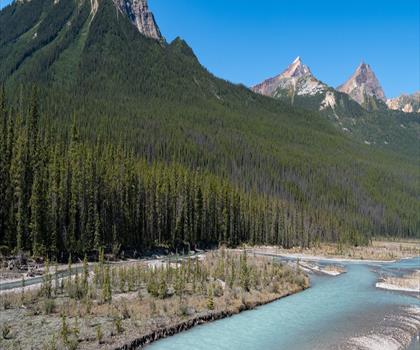
Mount Woolley
Canadian Rockies
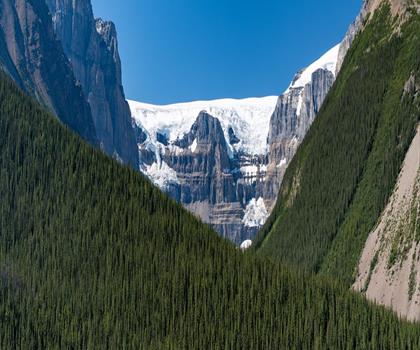
Stutfield Peak
Canadian Rockies
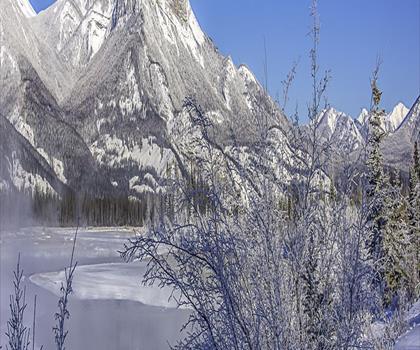
Roche Miette
Canadian Rockies
Hiking near Banff
187 trails to explore ~115 km away
We work hard to provide the most up-to-date and error-free data possible. If something seems incorrect, let us know! Your contribution helps the whole community.
Hikers' opinions
Be the first to review!
No hiker has shared their experience yet. Share your impressions and help other hikers!