
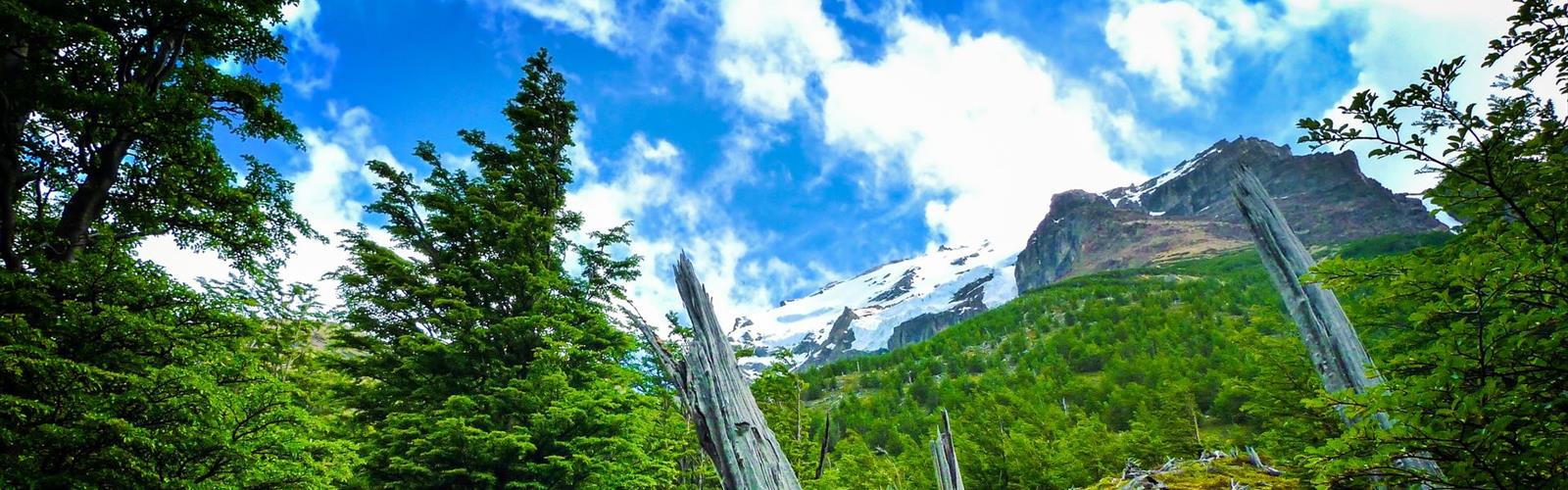

Ready to explore Fossil Mountain? Here's everything you need to know before you go!
Discover the trail
Trail description
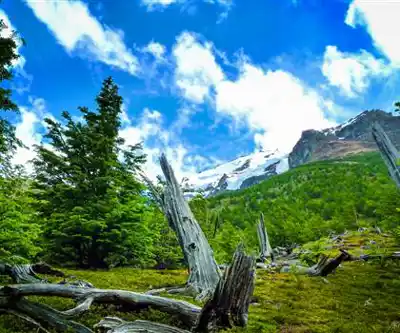
Fossil Mountain is one of those hikes in the Canadian Rockies that earns its reputation on two fronts: the physical challenge of the climb and the geological payoff waiting in the rock. With 2,027 metres of elevation gain packed into 4.4 kilometres, this is a serious ascent that will take most hikers around four and a half hours to complete. Don't let the "easy" difficulty rating fool you into underestimating it — the elevation numbers tell the real story.
Trail Experience and Terrain
The trail moves through distinctly different environments as you gain elevation, which keeps the experience varied and interesting throughout. The lower sections travel through dense stands of spruce and fir, where the canopy keeps things cool and shaded even on warm summer days. The forest floor stays damp here, and the trail can be soft underfoot after rain.
As you climb higher, the trees thin out and eventually give way to open alpine meadows. This transition is one of the more satisfying moments on the hike — suddenly the views open up and you get your first real sense of how much ground you've covered. The meadows stretch wide, with distant peaks visible in multiple directions.
The upper mountain is where the terrain gets more demanding. Rocky outcrops and steeper grades require careful footing, and the exposure increases significantly. This is also where the mountain's defining feature becomes impossible to miss: the fossil-bearing rock faces that give this peak its name.
The Fossils
What makes Fossil Mountain genuinely different from other peaks in the Canadian Rockies is what's embedded in the rock itself. The exposed faces along the upper elevations contain clear impressions of ancient marine life — shells, plant material, and other fossilized remains from a time when this part of Alberta lay beneath a prehistoric sea. Weathering has done the work of revealing these details over millennia, and on a clear day with good light, the impressions are striking.
Take your time on the upper sections and look closely at the rock surfaces. The concentration of fossils here is significant enough that the mountain functions almost like an open-air museum. Bringing a hand lens or small magnifying glass is worth the minimal extra weight — it makes a real difference when examining finer details in the rock.
One important note: these fossils are part of what makes this place special for everyone who visits. Look, photograph, appreciate — but leave everything exactly as you found it.
Wildlife Along the Route
The variety of ecosystems along the trail supports a solid range of wildlife. In the forested lower sections, white-tailed deer and mule deer are common, particularly during early morning and late afternoon. The meadow areas often have deer grazing in the open, which makes for good wildlife viewing if you're moving quietly and not in a rush.
Higher up, golden eagles and red-tailed hawks are a regular presence, riding thermals above the open slopes. The rocky terrain in the upper elevations is good habitat for pikas and ground squirrels, and the meadows attract a variety of songbirds during the warmer months.
Planning Your Visit
The Canadian Rockies weather is the main variable to plan around. At this elevation, conditions can shift quickly — a clear morning can turn stormy by early afternoon, especially during late summer when thunderstorms build fast. Check the forecast before you go and be prepared to turn back if the weather deteriorates on the upper mountain, where there's no shelter and lightning exposure is real.
Snow can linger at higher elevations well into late spring, and it returns early in fall. The most reliable window for a full ascent is mid-summer through early September. Spring hiking can be rewarding for wildflowers and wildlife activity, but expect muddy conditions on the lower trail and possible snow patches above treeline.
What to Bring
Given the elevation gain, water is the most critical thing to get right. Bring more than you think you'll need — the climb is sustained and dehydration at altitude catches people off guard. High-energy snacks and a proper lunch are worth packing if you plan to spend time exploring the fossil sites rather than just tagging the summit and heading down.
- Footwear: Sturdy hiking boots with ankle support are essential for the rocky upper terrain.
- Layers: The upper mountain is significantly cooler and windier than the forested sections below. Pack a mid-layer and a wind shell regardless of how warm it looks at the trailhead.
- Sun protection: The open meadows and exposed upper slopes offer no shade. Sunscreen, sunglasses, and a hat matter here.
- Camera: Between the fossil details, the alpine views, and the wildlife, you'll want one.
- Hand lens: Optional but genuinely useful for examining the fossil deposits up close.
The combination of a demanding climb, remarkable fossil deposits, and the wide-open views of the Canadian Rockies makes Fossil Mountain a hike that stays with you well after you're back at the trailhead.
The Essential Hiking Checklist
Everything you need for your next hike. Bilingual, printable, 1 page.
Get your free hiking checklistRecommended gear for this trail
As an Amazon Associate I earn from qualifying purchases.


Ready to go?
Everything you need to know before you goStarting Point
The fossil mountain trails are located in the town of Canmore, Alberta. To get to the start of the trails, take the Trans-Canada Highway (Highway 1) to the exit for Highway 40. Take Highway 40 south into Canmore. The trailhead is located at the end of 8th Street in Canmore.
When?
How much?
As an Amazon Associate I earn from qualifying purchases.
Affiliate links — LGPO may earn a commission at no extra cost to you.
- Hiking shoes Essential
- → Salomon Elixir Tour Mid WP · 203.38 $
- Layered clothing Essential
- Rain jacket Essential
- Trekking poles
- → Black Diamond Trail Ergo Cork · 69.99 $
- Headlamp
- → Petzl Actik Core 625 · 103.95 $
FAQ - Frequently asked questions
Everything you need to knowSimilar hikes nearby
Discover other trails you might enjoy

Snake Indian Mountain
Canadian Rockies
Mushroom Peak
Canadian Rockies
Mount Woolley
Canadian Rockies
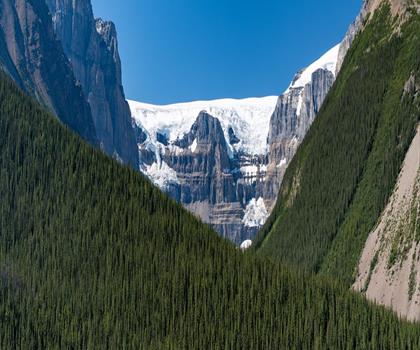
Stutfield Peak
Canadian Rockies
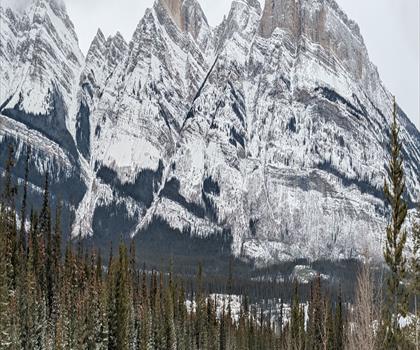
Mount Sarbach
Canadian Rockies
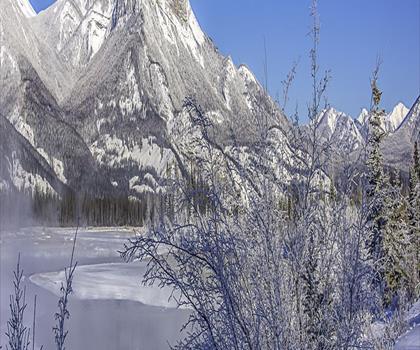
Roche Miette
Canadian Rockies
Hiking near Banff
187 trails to explore ~49 km away
We work hard to provide the most up-to-date and error-free data possible. If something seems incorrect, let us know! Your contribution helps the whole community.
Hikers' opinions
Be the first to review!
No hiker has shared their experience yet. Share your impressions and help other hikers!