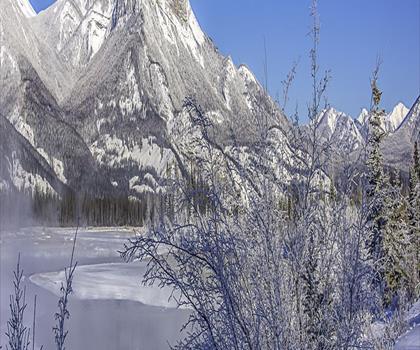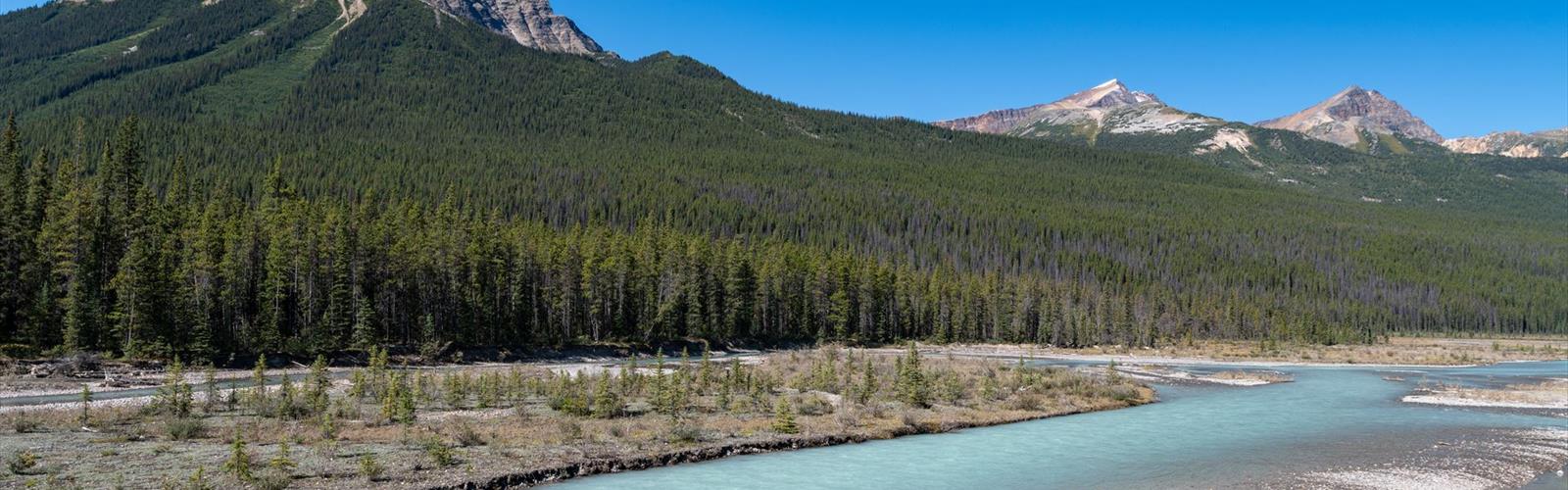
Hiking Mushroom Peak - panoramic view  tree outdoor landscape nature mountain sky autumn plant cloud background lake painting forest surrounded distance
--°C
Loading...
See forecast →

Hiking in Mushroom Peak: trails, map and practical info

Canadian Rockies • Alberta

5.0 Appreciated by 36 hikers
François Dumaine
By François DumaineContributor since 2013Updated 31/05/2026
Difficulty
Moderate
Distance
9 km
Elevation
650 ft
Duration
9h20
Max altitude
2,349 ft

Tackle 8.5 km and 650 m of elevation gain on this moderate alpine challenge in Alberta's Canadian Rockies. Mushroom Peak's distinctive mushroom-shaped summit rewards experienced hikers with panoramic wilderness views, accessible via 9h20 from the Kananaskis Village trailhead.

Recommended for :
Intermediate hikers

Ready to explore Mushroom Peak? Here's everything you need to know before you go!

Discover the trail
Oh no! We don't have any photos 😢

This trail hasn't been captured yet. Be the first to share your adventure!

Trail description

Description

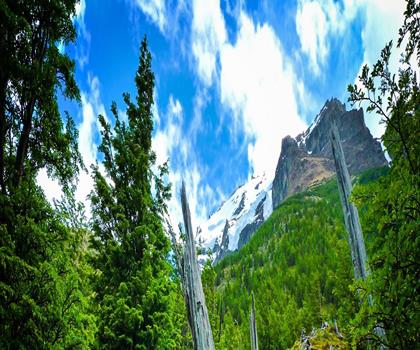
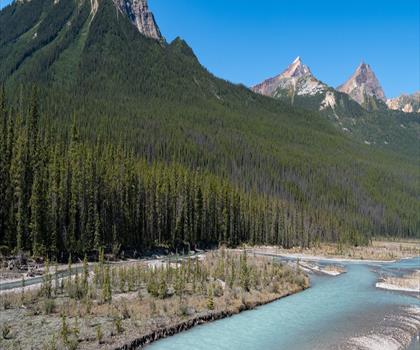
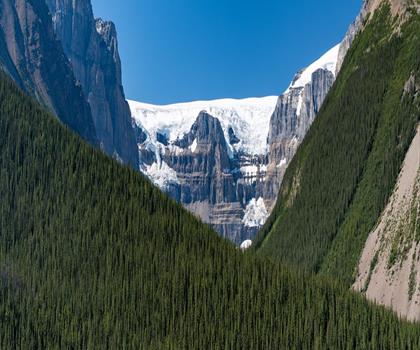
Mushroom Peak rises dramatically from the rugged landscape of Jasper National Park, offering one of Alberta North's most challenging and rewarding summit experiences. This imposing mountain stands as a testament to the raw beauty of the Canadian Rockies, where experienced hikers can test their skills against steep terrain while being surrounded by some of the most pristine wilderness in North America.

The peak's distinctive profile becomes apparent as you approach the trailhead at Portal Creek, where the mountain's rocky upper reaches seem to mushroom outward—a geological feature that gives this summit its memorable name. Unlike many of the more crowded peaks in the area, Mushroom Peak maintains an air of solitude that appeals to hikers seeking a genuine wilderness experience away from the busier tourist corridors.

The Trail Experience

The journey to Mushroom Peak's summit demands both physical preparation and mental determination. Starting from the Portal Creek trailhead, the route initially winds through dense montane forests where towering spruce and fir trees create a cathedral-like canopy overhead. The forest floor here is often carpeted with moss and fallen logs, creating the humid, earthy atmosphere typical of the lower elevations in this region.

As you gain elevation through the moderate terrain, the character of the landscape transforms dramatically. The dense forest gradually gives way to more open alpine meadows, where the terrain becomes increasingly rocky and exposed. These meadows burst with color during the summer months, as vibrant wildflowers create natural gardens against the backdrop of towering peaks. The contrast between the delicate alpine flora and the harsh mountain environment above creates one of the most striking visual experiences along the route.

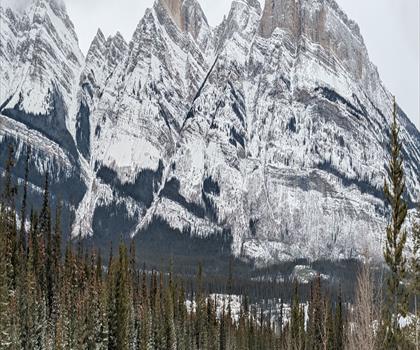
The final approach to the summit involves navigating increasingly challenging rocky terrain. Here, the trail becomes less defined, requiring hikers to pick their way carefully across loose scree and solid rock faces. The elevation gain becomes most apparent in these upper sections, where the thin air and steep grades test even well-conditioned hikers. The rocky terrain demands careful foot placement, as loose stones can shift unexpectedly underfoot.

Wildlife and Natural Features

The diverse ecosystems along the Mushroom Peak trail support an impressive array of wildlife. Mountain goats are frequently spotted on the rocky upper slopes, their sure-footed navigation of seemingly impossible terrain serving as a reminder of how well-adapted these animals are to the alpine environment. Their white coats stand out dramatically against the dark rock faces, making them relatively easy to spot for observant hikers.

Marmots add a playful element to the hiking experience, their distinctive whistles often echoing across the alpine meadows as they communicate with their colonies. These chunky rodents can often be seen sunning themselves on rocks or darting between boulder fields, seemingly unbothered by the presence of hikers passing through their territory.

The plant life along the trail tells the story of adaptation to harsh mountain conditions. In the lower forests, lush undergrowth thrives in the protected environment, while higher up, hardy alpine species have evolved to survive short growing seasons and extreme weather. During peak summer, the meadows showcase an impressive variety of wildflowers, from bright Indian paintbrush to delicate mountain avens, creating natural displays that rival any cultivated garden.

Terrain and Navigation

The varied terrain encountered on Mushroom Peak keeps hikers engaged throughout the ascent. The initial forest sections feature well-established paths that wind between massive tree trunks and over occasional stream crossings. Root systems and rocky steps create natural staircases in steeper sections, though these can become slippery when wet from morning dew or recent precipitation.

As the treeline approaches, the landscape opens up to reveal expansive views of surrounding peaks and valleys. The terrain here transitions from soft forest floor to harder-packed earth mixed with loose rock. Alpine meadows provide relatively easy walking, but hikers need to stay alert for sudden changes in weather that can make these exposed areas dangerous.

The upper reaches present the most technical challenges, with loose scree fields requiring careful foot placement and route-finding skills. The distinctive mushroom-shaped rock formations that give the peak its name become more prominent as you climb higher, creating both landmarks for navigation and obstacles to navigate around.

Seasonal Considerations and Timing

The hiking season for Mushroom Peak is relatively short but intense, running from late June through early September. This narrow window is dictated by snow conditions, as the upper elevations can remain snow-covered well into summer and begin accumulating fresh snow again by early fall. Even during the prime hiking months, weather conditions can change rapidly, with afternoon thunderstorms being a common occurrence in the high country.

Late June and early July offer the advantage of peak wildflower displays, as the recently melted snow provides abundant moisture for alpine plants. However, this period may still feature snow patches on north-facing slopes and in sheltered areas, requiring careful navigation and potentially making the final approach to the summit more challenging.

August typically provides the most stable weather conditions, with warm days and generally clear skies offering the best visibility for the panoramic views from the summit. September can be an excellent time for experienced hikers who don't mind cooler temperatures, as the changing seasons often bring crystal-clear air and stunning autumn colors in the lower elevations.

Safety and Preparation Requirements

The challenging nature of the Mushroom Peak trail makes thorough preparation essential for a safe and successful hike. The combination of significant elevation gain, variable weather conditions, and remote location means that hikers must be self-sufficient and prepared for emergencies. Weather conditions can deteriorate rapidly in the high country, turning a pleasant summer day into a potentially dangerous situation with little warning.

Bear safety is a critical consideration throughout the region, making bear spray an essential piece of equipment for all hikers. Both black bears and grizzly bears inhabit the area, and proper food storage and awareness of bear behavior are crucial for avoiding dangerous encounters. The remote nature of the trail means that help could be hours away in case of an emergency.

The rocky terrain in the upper sections presents additional hazards, including loose rocks that can shift unexpectedly and create fall risks. Proper footwear with good ankle support and aggressive tread is essential for maintaining traction on the varied surfaces encountered along the route. Trekking poles can provide valuable stability, especially during the descent when tired legs increase the risk of slips and falls.

The Summit Reward

Reaching the summit of Mushroom Peak provides hikers with panoramic views that stretch across the vast wilderness of Alberta North, showcasing the raw beauty and scale of the Canadian Rockies. The expansive vistas reveal layer upon layer of mountain ranges extending to the horizon, creating a sense of the immense scale of this wilderness region. On clear days, the views encompass dozens of named and unnamed peaks, each telling its own geological story through distinctive rock formations and glacial features.

Ready to go?

Everything you need to know before you go

Where?

Address
Mushroom Peak, Alberta T0E 1E0, Canada
GPS coordinates
52.3133333, -117.395
Phone
Not available

Starting Point

To get to the start of the trails at the mushroom peak in Alberta, take Highway 40 east from Calgary to the Kananaskis Village turnoff. Take the exit and drive south for about 5 km until you reach the village. Turn left at the sign for the Peter Lougheed Provincial Park and drive for about 8 km until you reach the trailhead parking lot.

When?

Opening hours
From sunrise to sunset
Varies by season
Best season
Fall
Spectacular colors
Best time
Early morning
Less crowded
Weather (next days)
Loading

How much?

Entry fees
Adult
Not available
Child
What to bring?
Gear
  • Hiking shoes Essential
  • Layered clothing Essential
  • Rain jacket Essential
  • Trekking poles
  • Headlamp
Download the PDF checklist
Water & food
2L minimum
No water point on the trail
Bring energy snacks for a 4h+ hike
Good to know
Park rules
No dogs
Safety
Download the GPX before you go
Limited cellular coverage on the trail
Slippery after rain
Be careful on rocky sections
In an emergency
Emergency
911
Parking GPS
52.3133333, -117.395
Center
Not available

Hikers' opinions

5.0
21 Reviews
M
Marcus
Oct 15, 2025
Tackled Mushroom Peak in late October and was impressed by the crisp mountain conditions and excellent visibility. The summit offered spectacular photography opportunities with panoramic views across the Canadian Rockies. Weather remained stable throughout the day, making it an ideal autumn adventure. Layered clothing proved essential as temperatures dropped significantly with elevation gain.
M
Marcus
Oct 15, 2025
Tackled Mushroom Peak in late autumn and was rewarded with stunning crisp mountain air and exceptional visibility. The summit offered incredible photographic opportunities with sweeping views across the Canadian Rockies. While the ascent demands significant effort and proper conditioning, the sense of accomplishment at the peak makes every challenging step worthwhile for experienced hikers.
E
Elena
Sep 5, 2025
Early fall delivered breathtaking autumn colors and crisp mountain air throughout the ascent. Wildlife encounters included mountain goats on upper slopes and various alpine species at higher elevations. The relentless elevation gain tests physical limits, but the pristine alpine environment and unique geological formations create an unforgettable wilderness experience for serious mountaineers.
R
Robert
Sep 3, 2025
This peak delivers an authentic wilderness experience with rugged terrain that feels genuinely remote and backcountry-oriented. The isolation and technical difficulty create a true adventure atmosphere. Pika and ptarmigan sightings at higher elevations added wildlife interest to the journey. Proper gear and solid mountaineering experience are absolutely essential for safely navigating this challenging and rewarding ascent.
J
Jennifer
Aug 22, 2025
The wildflower displays during mid-summer made this hike particularly beautiful, with vibrant colors brightening the trail. The steep sections kept me engaged throughout the ascent. Starting early proved essential to avoid crowds and benefit from cooler morning temperatures. Bringing adequate water and snacks is critical for managing the demanding elevation gain over the full day adventure.

FAQ - Frequently asked questions

Everything you need to know
Moderate
650.00 m
2349.00 m
9h20
No
No
The Mushroom Peak trail takes approximately 9h20 to complete. This duration accounts for the 8.5 km distance and 650 m elevation gain, so plan accordingly and start early to finish before sunset.
Mushroom Peak has an elevation gain of 650 m over the 8.5 km route. This moderate climb requires a reasonable level of fitness, though the trail is rated as moderate difficulty.
Mushroom Peak is rated as moderate difficulty, making it suitable for hikers with some experience and a reasonable fitness level. The 8.5 km distance and 650 m elevation gain require preparation, so beginners should assess their fitness before attempting this trail.
The Mushroom Peak trail is open from sunrise to sunset. Plan your hike accordingly and ensure you have enough daylight to complete the 9h20 journey safely.
Didn't find your answer?
Free 1 pages

The Essential Hiking Checklist

Everything you need for your next hike. Bilingual, printable, 1 page.

Download the free checklist
Top 10 best hiking in Canadian Rockies
Our ranking based on hiker reviews

Hiking near Jasper

82 trails to explore ~78 km away

View trails
Did you spot an error?

We work hard to provide the most up-to-date and error-free data possible. If something seems incorrect, let us know!

Update : June 2026