
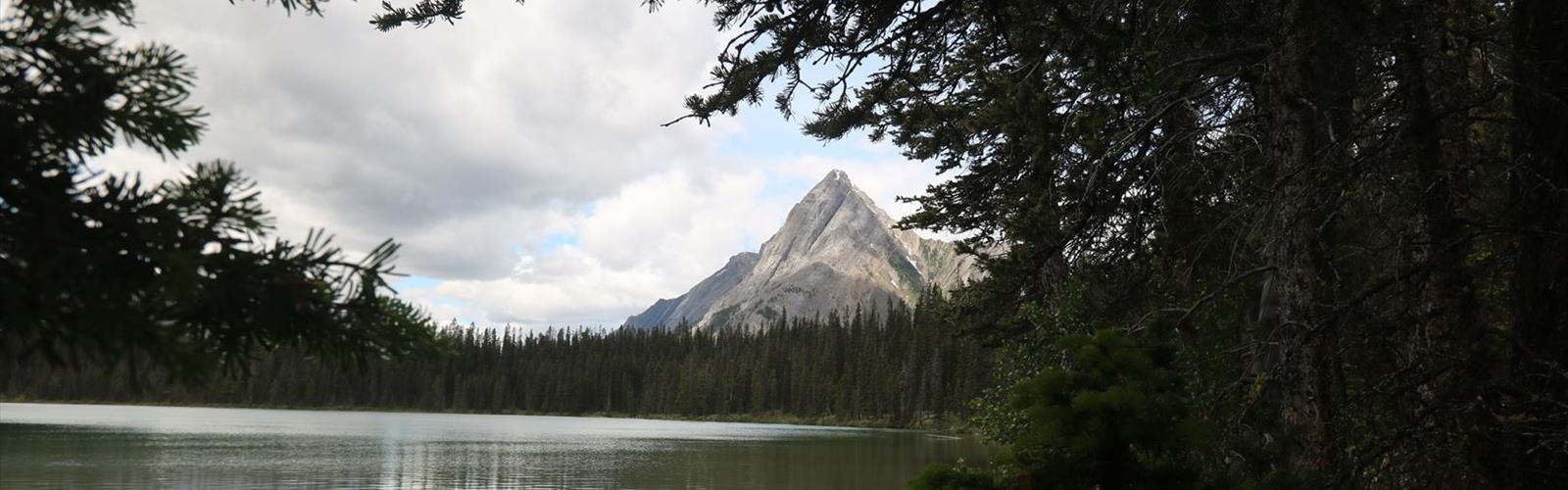

Ready to explore Karst Spring? Here's everything you need to know before you go!
Discover the trail
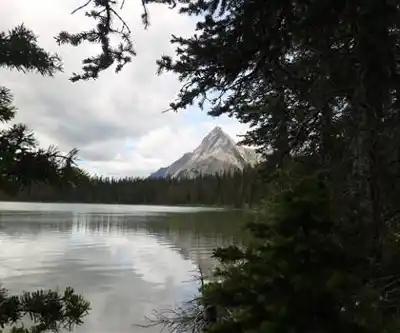
Photos: Thank you for visiting my page from Canada — CC BY 2.0 (Wikimedia Commons)
Trail description
Karst Spring stands as one of Alberta's most fascinating geological wonders, where an underground river system dramatically emerges from deep limestone bedrock to create a crystal-clear natural pool. This remarkable spring produces over 100 gallons per minute of pristine water, maintaining a consistent 68-degree temperature year-round regardless of surface conditions. The exceptional clarity allows you to see straight to the bottom even at the deepest points, creating an almost surreal transparency that makes the pool appear like liquid glass.
The moderate 1.6-kilometer trail leads you through classic Canadian Rockies terrain with a 200-meter elevation gain that builds gradually over the hour-and-a-half journey. What starts as a straightforward forest hike transforms into something special as you approach the spring, with the sound of flowing water growing stronger and the forest taking on an increasingly lush character.
The Geological Marvel
This karst spring represents the visible endpoint of an extensive underground drainage system that has been carved through limestone bedrock over thousands of years. The water you see bubbling up has traveled through a complex network of caves and underground channels, collecting from a watershed much larger than what's visible on the surface. During its subterranean journey, the water dissolves minerals from the limestone, creating the cave systems while naturally filtering to achieve its remarkable clarity.
The spring's characteristic bowl shape and consistent temperature result from this deep underground source. Like other famous karst springs worldwide, including Germany's Blautopf, the conical formation creates both visual drama and unique hydrological properties. The 68-degree water temperature reflects the stable conditions found deep underground, where seasonal surface variations have no impact.
Trail Experience and Terrain
The approach trail winds through dense boreal forest dominated by towering spruce and fir trees that create a cathedral-like canopy overhead. The path maintains a steady but manageable grade, making it accessible to most hikers with basic fitness levels. Early sections traverse typical mixed forest where wildlife sightings of deer, various bird species, and smaller forest creatures are common.
The trail is generally well-defined, though some sections require careful footing, particularly during wet conditions or early in the hiking season. As you progress, the forest character begins to change subtly. The increased moisture from the emerging groundwater supports progressively lusher vegetation, creating an almost tropical microclimate despite the northern latitude.
Near the spring, moss-covered rocks and ferns become more prevalent, and the air takes on a distinctly fresh, mineral-rich quality. This transition zone offers its own rewards, with unique plant communities that thrive in the constant moisture and stable microclimate created by the spring's influence.
At the Spring
The karst spring itself creates an otherworldly scene nestled among lush green vegetation that thrives in the constant moisture. The pool sits like a hidden jewel in the forest, its mirror-like surface perfectly reflecting the surrounding canopy when conditions are calm. The exceptional water clarity allows you to observe the actual source point where water bubbles up from deep underground passages, creating gentle currents that ripple across the surface.
The consistent 68-degree temperature makes the spring popular for swimming and diving, though the water will feel quite cool on initial entry. This temperature stability creates unique opportunities for water activities that remain viable throughout much of the year. The pool's varying depths are easily visible through the clear water, allowing swimmers to gauge safe areas for different activities.
A small picnic area near the spring provides space to rest and enjoy meals while taking in the natural beauty. This spot offers excellent vantage points for photography and quiet contemplation, with the combination of moving water, forest sounds, and the unique acoustics created by the spring's bowl shape producing a remarkably peaceful atmosphere.
Seasonal Variations
While the spring itself maintains consistent characteristics year-round, the hiking experience and overall atmosphere change dramatically with the seasons. Summer provides the most comfortable conditions for both hiking and swimming, with full forest canopy and warmest air temperatures creating the greatest contrast with the cool spring water. The lush vegetation reaches peak growth, creating an almost jungle-like setting around the water's edge.
Fall transforms the experience with spectacular foliage colors that reflect beautifully in the clear water, though cooler air temperatures make swimming less appealing for most visitors. The contrast between the warm-colored autumn leaves and the consistently clear, cool water creates particularly striking photographic opportunities.
Winter access requires more preparation and appropriate gear, but rewards hardy hikers with a truly unique experience. The spring continues flowing even in freezing conditions, creating dramatic ice formations around the edges while maintaining open water at the source. Spring hiking coincides with snowmelt and potentially increased water flow, making the karst spring even more impressive but sometimes creating more challenging trail conditions.
What Sets This Place Apart
This karst spring stands out among Alberta's natural attractions for its combination of geological significance, recreational opportunities, and scenic beauty. The location appeals to diverse interests - geology enthusiasts appreciate seeing karst processes in action, while swimmers and divers enjoy the rare opportunity for clear, temperature-stable water activities in a wilderness setting.
For photographers, the location offers exceptional opportunities ranging from macro shots of the spring's bubbling source to wide landscape compositions incorporating the surrounding forest. The water's clarity enables unique underwater photography possibilities, while the consistent lighting conditions in the forest setting provide reliable shooting conditions throughout the day.
The spring's position within the Canadian Rockies provides context within one of North America's most spectacular mountain landscapes, yet the hike doesn't require technical skills or extreme fitness levels. This accessibility, combined with the dramatic payoff of discovering such a pristine natural feature, creates an experience that feels both adventurous and achievable for most outdoor enthusiasts.
The Essential Hiking Checklist
Everything you need for your next hike. Bilingual, printable, 1 page.
Get your free hiking checklistRecommended gear for this trail
As an Amazon Associate I earn from qualifying purchases.


Ready to go?
Everything you need to know before you goStarting Point
The karst spring is located in the town of Drumheller, Alberta. To get there, take Highway 9 east out of Drumheller and turn left onto Township Road 254. The trailhead is located at the end of the road.
When?
How much?
As an Amazon Associate I earn from qualifying purchases.
Affiliate links — LGPO may earn a commission at no extra cost to you.
- Hiking shoes Essential
- → Salomon Elixir Tour Mid WP · 203.38 $
- Layered clothing Essential
- Rain jacket Essential
- Trekking poles
- → Black Diamond Trail Ergo Cork · 69.99 $
- Headlamp
- → Petzl Actik Core 625 · 103.95 $
FAQ - Frequently asked questions
Everything you need to knowSimilar hikes nearby
Discover other trails you might enjoy
Fossil Mountain
Canadian Rockies

Snake Indian Mountain
Canadian Rockies
Mushroom Peak
Canadian Rockies
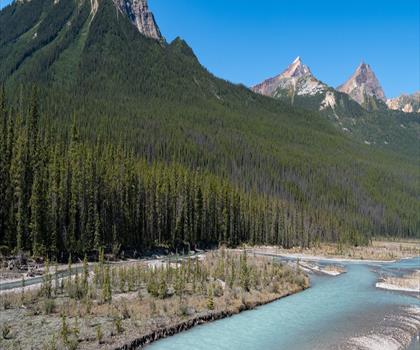
Mount Woolley
Canadian Rockies
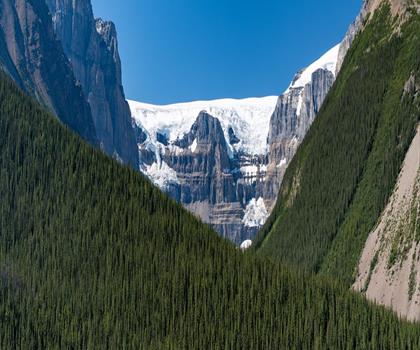
Stutfield Peak
Canadian Rockies
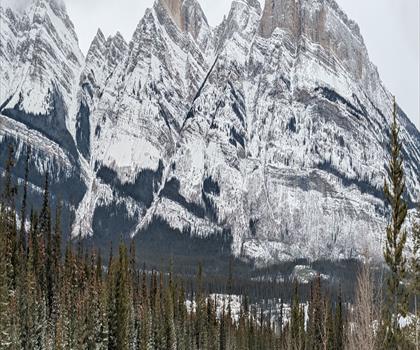
Mount Sarbach
Canadian Rockies
Hiking near Canmore
200 trails to explore ~28 km away
We work hard to provide the most up-to-date and error-free data possible. If something seems incorrect, let us know! Your contribution helps the whole community.
Hikers' opinions
Be the first to review!
No hiker has shared their experience yet. Share your impressions and help other hikers!