
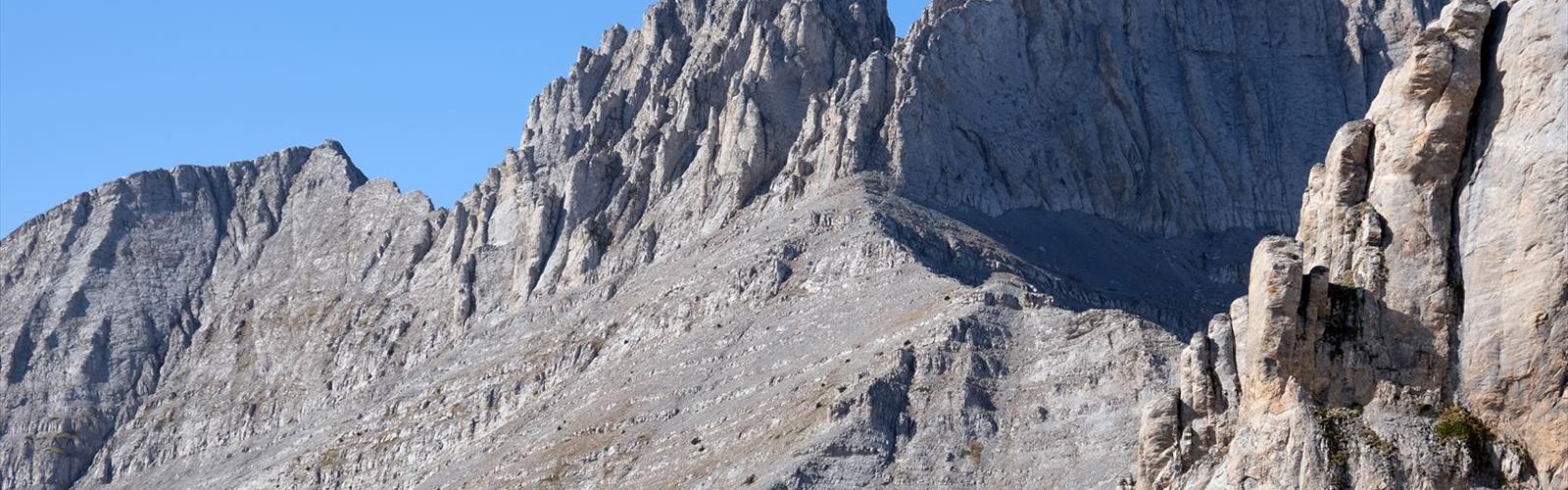

Ready to explore Mount Olympus? Here's everything you need to know before you go!
Discover the trail
Trail description
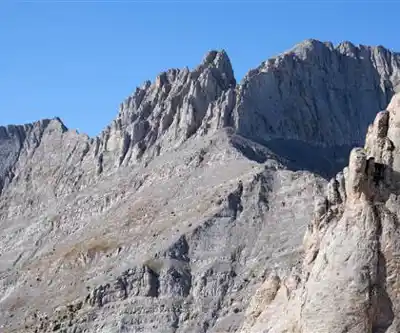
Mount Olympus stands as Alberta's highest peak at 2,844 metres (9,325 feet), dominating the landscape of Banff National Park with an imposing presence that commands respect from mountaineers and casual hikers alike. This majestic mountain rises dramatically from the surrounding terrain, its slopes cloaked in dense forests of pine and spruce that give way to alpine environments and glaciated terrain as you ascend toward the summit.
The mountain's location within the Canadian Rockies places it among some of North America's most spectacular alpine scenery. Several glaciers cling to its upper reaches, including the renowned Athabasca Glacier, one of the largest glaciers on the continent. These ice formations not only add to the mountain's visual appeal but also create the dynamic, ever-changing landscape that makes each visit to Mount Olympus a unique experience.
The Hiking Experience
The journey to Mount Olympus presents hikers with an extraordinary traverse through multiple ecosystems and terrain types. Despite the substantial elevation gain, the route maintains a surprisingly manageable difficulty level, making it accessible to hikers with solid fitness and basic mountaineering experience. Most hikers should plan for additional time beyond the estimated duration to fully appreciate the spectacular scenery along the way.
The trail begins in the montane forest zone, where the dense canopy of pine and spruce provides shelter and a gradual introduction to the mountain environment. As you gain elevation, the forest begins to thin, revealing increasingly dramatic views of the surrounding peaks and valleys. The transition from dense forest to subalpine meadows marks a significant shift in the hiking experience, with wildflowers in season and expansive vistas beginning to unfold.
The upper sections of the route traverse more challenging alpine terrain, where the presence of glaciers becomes increasingly apparent. The Athabasca Glacier and other ice formations create a dynamic landscape of crevasses, moraines, and ice-carved rock faces that showcase the powerful geological forces that have shaped this region over millennia.
Summit Views and Alpine Environment
Reaching the summit of Mount Olympus rewards hikers with some of the most spectacular panoramic views available in the Canadian Rockies. From this vantage point, the entire landscape spreads out in all directions, offering unobstructed sightlines that extend for miles across the mountainous terrain of Banff National Park. The summit provides a unique perspective on the intricate network of peaks, valleys, glaciers, and alpine lakes that define this UNESCO World Heritage site.
The alpine environment at these elevations presents a stark contrast to the forested lower slopes. Here, hardy alpine plants cling to rocky crevices, and the thin air and intense UV radiation create conditions that test both equipment and endurance. Weather conditions can change rapidly at this elevation, making proper preparation essential for a safe and enjoyable summit experience. The exposed nature of the upper mountain means that wind, temperature fluctuations, and sudden weather systems can dramatically alter conditions within minutes.
Glacial Features and Geological Significance
The glacial features of Mount Olympus represent some of the most accessible and impressive ice formations in the Canadian Rockies. The Athabasca Glacier, in particular, serves as both a stunning visual centerpiece and a fascinating example of glacial dynamics in action. These ice formations have carved the mountain's distinctive profile over thousands of years, creating the dramatic cirques, hanging valleys, and knife-edge ridges that characterize the peak's current appearance.
The presence of multiple glaciers on Mount Olympus also creates unique hiking conditions throughout the season. Early in the hiking season, snow and ice may persist on upper sections of the route, while later in the year, the retreat of seasonal snow reveals the full extent of the mountain's rocky alpine terrain. This seasonal variation means that the character of the hike can change significantly depending on the timing of your visit.
The geological complexity of the mountain extends beyond its glacial features. The rock formations tell a story of ancient sea beds, tectonic upheaval, and millions of years of erosion. Hikers will encounter limestone cliffs, shale bands, and quartzite formations that create the distinctive layered appearance characteristic of many Canadian Rockies peaks.
Forest Ecosystems and Wildlife
The dense forests of pine and spruce that cover Mount Olympus's lower slopes represent a thriving ecosystem that supports diverse wildlife populations throughout the year. These forests provide critical habitat for species ranging from small mammals and birds to larger ungulates and predators that call Banff National Park home. The old-growth characteristics of many forest sections create a cathedral-like atmosphere that adds a sense of solemnity and grandeur to the early stages of the ascent.
The transition zones between different elevations offer particularly rich opportunities for wildlife observation. The edges between montane forest, subalpine meadows, and alpine terrain create diverse microhabitats that support different species adapted to specific elevation ranges and environmental conditions. Hikers may encounter everything from ground squirrels and pikas in the alpine zones to larger mammals like mountain goats navigating the steep terrain with remarkable agility.
Access and Regional Context
Mount Olympus's location within Banff National Park places it at the heart of one of Canada's most celebrated wilderness areas. The mountain's position among the Canadian Rockies means that hikers approach it through some of the most scenic mountain terrain in North America, with the journey to the trailhead often providing spectacular views and wildlife viewing opportunities in its own right.
The peak's status as Alberta's highest point gives it special significance within the provincial landscape, making it a destination that attracts serious mountaineers seeking to complete provincial high point lists as well as hikers drawn to its exceptional alpine scenery. The combination of accessibility, spectacular views, and diverse terrain makes Mount Olympus a standout destination even within the remarkable landscape of the Canadian Rockies.
The mountain's glacial features, diverse ecosystems, and commanding summit views create an alpine experience that showcases the best characteristics of Canadian Rockies hiking, from the peaceful forest approaches through the dramatic alpine terrain to the expansive summit panoramas that make the challenging ascent a truly memorable adventure.
The Essential Hiking Checklist
Everything you need for your next hike. Bilingual, printable, 1 page.
Get your free hiking checklistRecommended gear for this trail
As an Amazon Associate I earn from qualifying purchases.


Ready to go?
Everything you need to know before you goStarting Point
The mount olympus trails are located in the Kananaskis Country area of Alberta. To get to the start of the trails, take Highway 40 south from Calgary and turn left onto the Smith-Dorrien Trail (Highway 742). The trailhead is located about 26 km from the turnoff.
When?
How much?
As an Amazon Associate I earn from qualifying purchases.
Affiliate links — LGPO may earn a commission at no extra cost to you.
- Hiking shoes Essential
- → Salomon Elixir Tour Mid WP · 203.38 $
- Layered clothing Essential
- Rain jacket Essential
- Trekking poles
- → Black Diamond Trail Ergo Cork · 69.99 $
- Headlamp
- → Petzl Actik Core 625 · 103.95 $
FAQ - Frequently asked questions
Everything you need to knowSimilar hikes nearby
Discover other trails you might enjoy
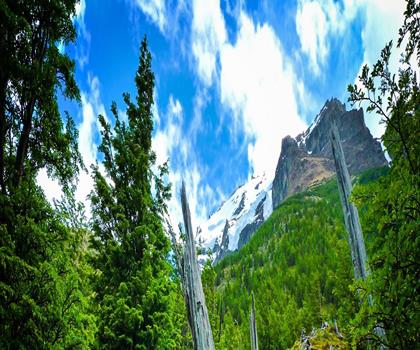
Fossil Mountain
Canadian Rockies

Snake Indian Mountain
Canadian Rockies
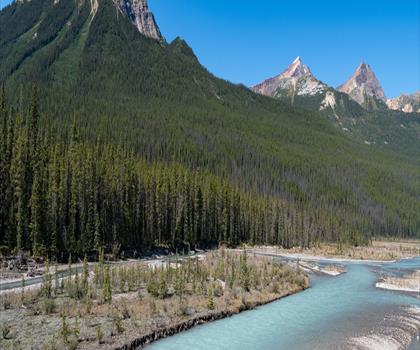
Mushroom Peak
Canadian Rockies
Mount Woolley
Canadian Rockies
Stutfield Peak
Canadian Rockies
Mount Sarbach
Canadian Rockies
Hiking near Jasper
82 trails to explore ~84 km away
We work hard to provide the most up-to-date and error-free data possible. If something seems incorrect, let us know! Your contribution helps the whole community.
Hikers' opinions
Be the first to review!
No hiker has shared their experience yet. Share your impressions and help other hikers!