
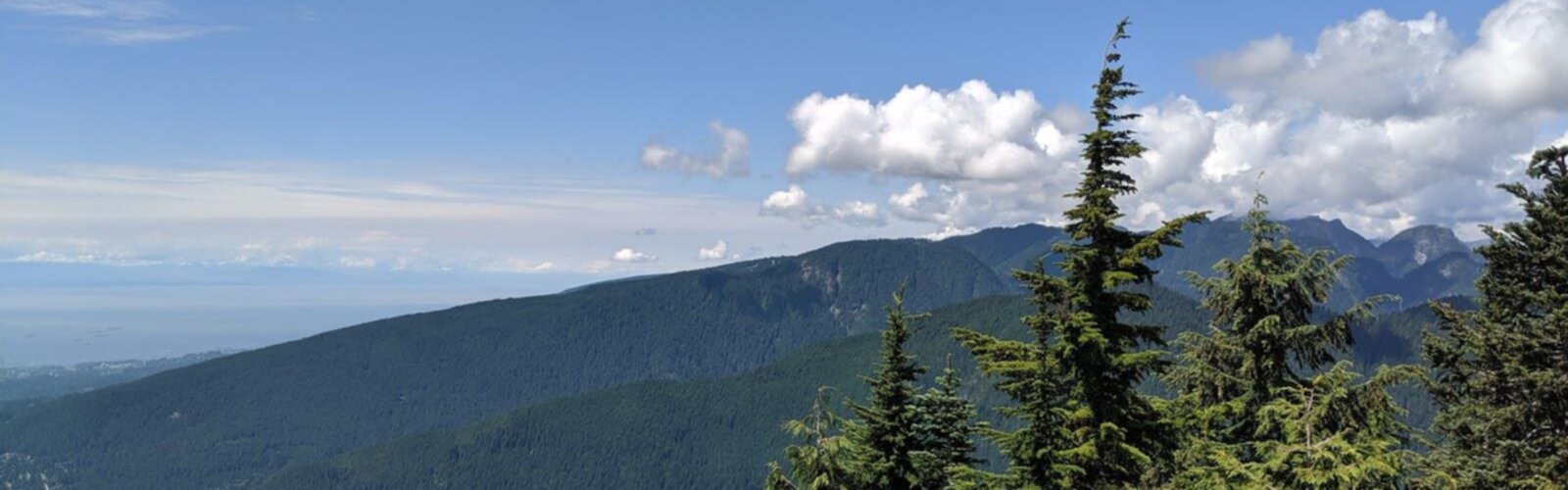

Ready to explore Dog Mountain Trail? Here's everything you need to know before you go!
Discover the trail


Trail description
Dog Mountain stands as one of the Columbia River Gorge's most challenging and rewarding hikes, rising dramatically from the Washington side of the river to offer some of the region's most spectacular wildflower displays and panoramic views. Located in Skamania County along Washington State Route 14, this steep-sided peak sits about 9 miles east of Stevenson and 53 miles east of Vancouver, making it accessible for day trips from the Portland-Vancouver metro area.
The mountain's profile tells the story of its difficulty—from a base elevation of just 150 feet along the Columbia River, the trail climbs relentlessly to the 2,948-foot summit. This dramatic elevation gain of nearly 2,800 feet over a relatively short distance creates the grueling conditions that have earned Dog Mountain its reputation as one of the gorge's toughest hikes.
The Trail Experience
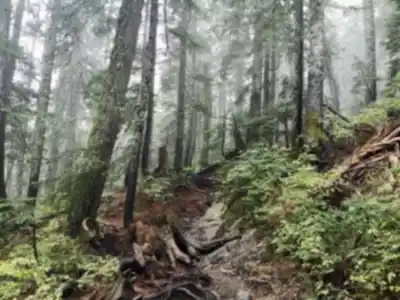
The 6-mile round-trip trail begins on the north side of Route 14 at milepost 53, immediately plunging hikers into dense Pacific Northwest forest. The first half-mile sets the tone with steep switchbacks that will have most hikers breathing hard before they've barely begun. This initial climb through heavy timber provides a preview of the sustained effort required for the entire ascent.
After this demanding start, the trail splits into two distinct routes that eventually reconnect at the summit. Both forks maintain the steep grade that characterizes this hike, winding through varying forest conditions as elevation increases. The lower sections feature typical gorge vegetation with dense canopies of Douglas fir, western hemlock, and bigleaf maple, while higher elevations transition into more open terrain.
As hikers climb higher, the forest begins to thin, eventually opening into the meadowlands that make Dog Mountain famous during wildflower season. These upper meadows, carved by decades of wind and weather, provide the first glimpses of the spectacular views that await at the summit.
Summit Views and Wildflowers
The summit area, once home to a fire lookout built in 1931 and reconstructed in 1952, now offers unobstructed panoramic views across the Columbia River Gorge. The lookout served as a crucial fire detection point for Oregon's Mount Hood National Forest until advancing technology made it obsolete, leading to its removal in 1967. Today, hikers stand where fire watchers once scanned the horizon, enjoying commanding views of the Columbia Gorge, Mount Hood, and the surrounding Cascade peaks.
Dog Mountain's reputation reaches its peak during May wildflower season, when the upper meadows explode in color. The diverse array of flowering plants includes chocolate lily with its distinctive dark purple blooms, delicate woodland star, the rare fairy slipper orchid, long-spurred violet, and bright yellow fawn lily. These wildflower displays, combined with the dramatic views, create some of the most photographed scenes in the Columbia River Gorge.
Challenges and Safety Considerations
Dog Mountain's difficulty has inspired creative descriptions from outdoor writers, with some suggesting it might better be called "Dogged Mountain" or "Doggone Mountain" in reference to the determination required to reach the top. The sustained steep grade challenges even experienced hikers, and the descent can be particularly demanding on knees and ankles. Quality hiking boots with good traction are essential for safely navigating the steep pitches, especially on the way down when fatigue sets in.
Beyond the physical demands, hikers should be aware of several natural hazards. Poison oak grows along portions of the trail, particularly in lower elevations and sunny exposures. Rattlesnakes inhabit the area and may be encountered, especially during warmer months. The steep terrain itself poses risks—a tragic reminder came in 2003 when a hiker lost her footing and fell 500 feet, resulting in a fatality.
The combination of steep slopes, loose rock in some sections, and the potential for rapidly changing weather conditions means hikers should come prepared with proper gear, sufficient water, and realistic expectations about their fitness level.
Seasonal Access and Conditions
The Dog Mountain Trail remains open year-round, though conditions vary dramatically with the seasons. Spring brings the famous wildflower displays but also potentially muddy and slippery trail conditions from snowmelt and rain. Summer offers the most reliable weather but can be hot and exposed in the upper meadows, making early morning starts advisable.
Winter hiking is possible, though the upper portions may be snow-covered at times. Winter conditions can make the already challenging trail significantly more difficult and potentially dangerous, requiring appropriate gear and experience with winter mountain travel.
Practical Information
No permits or fees are required to hike the Dog Mountain Trail itself, but parking at the trailhead requires a Northwest Forest Pass. These passes are available from a wide variety of vendors throughout Oregon and Washington, including outdoor retailers, some gas stations, and online.
Dogs are welcome on the trail but must be kept on leashes at all times. The steep terrain and potential wildlife encounters make leash compliance particularly important for pet safety. The trail's difficulty and length make it unsuitable for most dogs that aren't in excellent physical condition.
The trail is restricted to foot traffic only—mountain bikes and horses are not permitted. The steep grades and narrow sections make it unsuitable for wheelchair access.
Interestingly, Dog Mountain also serves as a launch site for hang gliding, adding an aerial dimension to the mountain's recreational offerings. Hikers may occasionally witness colorful gliders launching from the summit area, taking advantage of the thermal currents and dramatic elevation drop to soar above the Columbia River Gorge.
The Essential Hiking Checklist
Everything you need for your next hike. Bilingual, printable, 1 page.
Get your free hiking checklistRecommended gear for this trail
As an Amazon Associate I earn from qualifying purchases.


Ready to go?
Everything you need to know before you goStarting Point
The dog mountain trail is located in the Columbia River Gorge National Scenic Area, which is about an hour and a half east of Portland, Oregon. To get to the start of the trails, take exit 41 off of Interstate 84 and drive east on the Historic Columbia River Highway for about six miles. The trailhead will be on your left.
When?
How much?
As an Amazon Associate I earn from qualifying purchases.
Affiliate links — LGPO may earn a commission at no extra cost to you.
- Hiking shoes Essential
- → Salomon Elixir Tour Mid WP · 203.38 $
- Layered clothing Essential
- Rain jacket Essential
- Trekking poles
- → Black Diamond Trail Ergo Cork · 69.99 $
- Headlamp
- → Petzl Actik Core 625 · 103.95 $
FAQ - Frequently asked questions
Everything you need to knowSimilar hikes nearby
Discover other trails you might enjoy
Bridle Path
Vancouver Coast Mountains
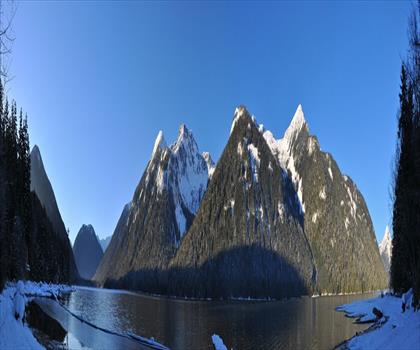
Flora Lake
Vancouver Coast Mountains

Alouette Mountain
Vancouver Coast Mountains
Williamson Lake
Vancouver Coast Mountains
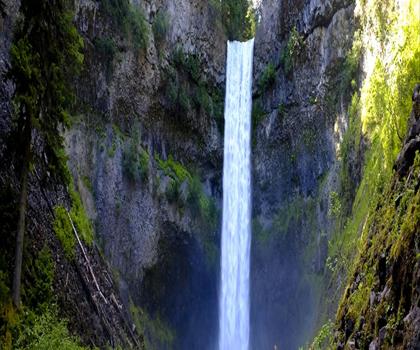
Brandywine Mountain
Vancouver Coast Mountains

Coliseum Mountain
Vancouver Coast Mountains
Hiking near Vancouver
235 trails to explore ~16 km away
We work hard to provide the most up-to-date and error-free data possible. If something seems incorrect, let us know! Your contribution helps the whole community.
Hikers' opinions
Be the first to review!
No hiker has shared their experience yet. Share your impressions and help other hikers!