

Ready to explore Elk Mountain? Here's everything you need to know before you go!
Discover the trail
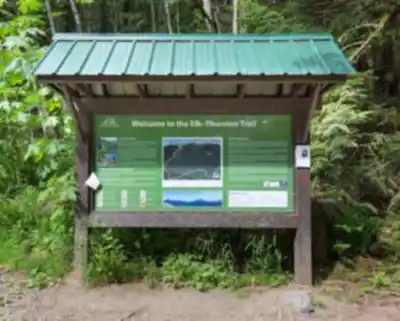
Available trails
| TrailTrails | Dist.Distance | GainElevation | TimeDuration | Difficulty | GPX |
|---|---|---|---|---|---|
|
|
4.23 km | — | 56min | GPX |
GPX track: © OpenStreetMap contributors — ODbL 1.0
Trail description
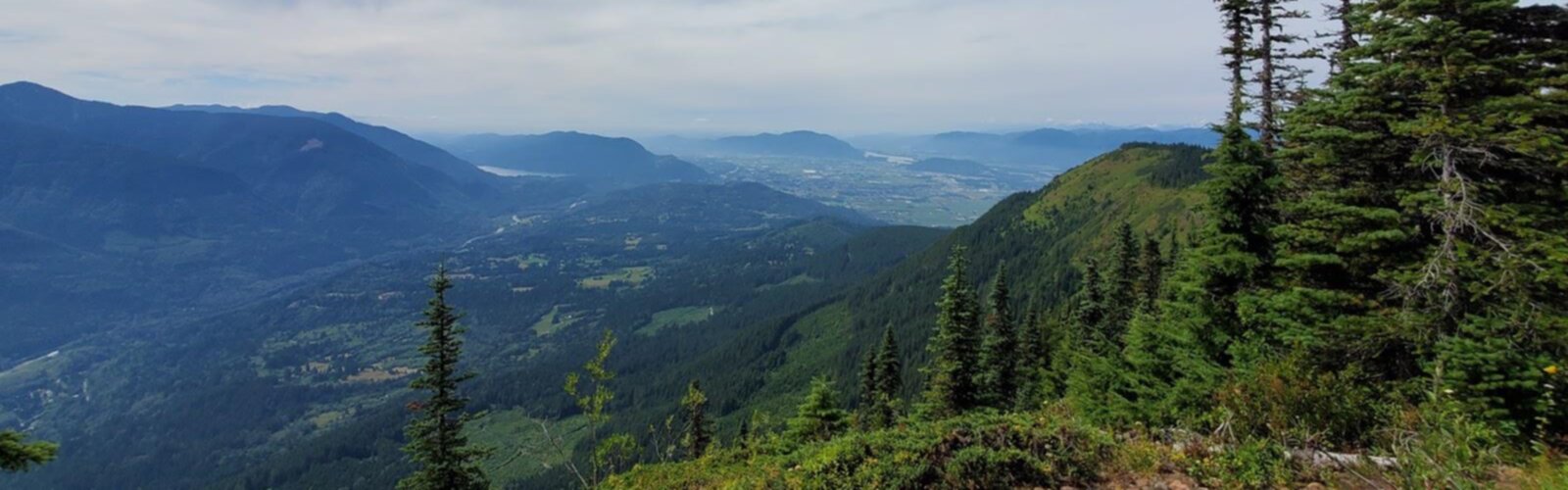
Elk Mountain rises 1,432 meters (4,698 feet) above the Fraser Valley, making it one of the most rewarding day hikes in the Vancouver Coast Mountains. Located near Chilliwack, British Columbia, this accessible peak punches well above its weight — the views from the top stretch across the valley floor all the way to Mount Baker's volcanic cone rising across the border in Washington State, and the hike itself takes you through a genuinely satisfying range of terrain for an 8-kilometer round trip.
The 821-meter elevation gain gives the legs a real workout, but the trail is well-maintained and the distance is manageable for most hikers with a reasonable fitness level. That combination — meaningful challenge, no overnight gear required, close enough to Vancouver for a day trip — is exactly why Elk Mountain stays busy on weekends throughout the warmer months.
The Trail
The main route follows the Elk-Thurston Trail, an 8-kilometer round trip with 821 meters of elevation gain and an estimated hiking time of around 3 hours 30 minutes. The climb is steady rather than brutal, gaining elevation consistently without long flat sections to break up the effort.
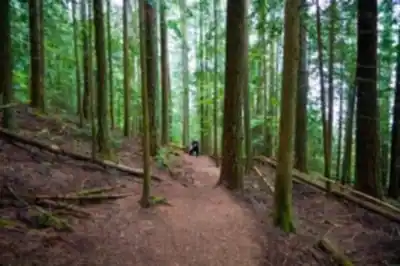
The lower portion of the trail moves through dense coastal forest — Douglas fir and western hemlock dominate, tall enough to block most of the sky and create a cool, shaded environment even on warm days. The forest floor is lush with ferns, salmonberry, and devil's club, the kind of thick understory that reminds you you're firmly in the wet Coast Mountains ecosystem.
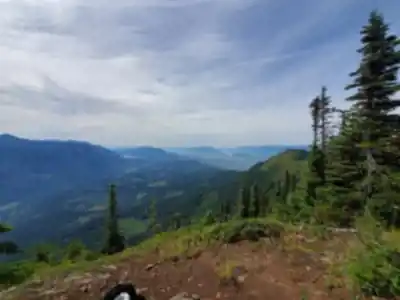
As you gain elevation, the forest gradually opens up. The transition into subalpine meadows is one of the highlights of the hike — the canopy thins, the views start to appear, and the character of the trail shifts noticeably. These meadow sections offer natural spots to stop, catch your breath, and take in the first real glimpses of the Fraser Valley below.
The final push to the summit involves steeper, more rugged terrain above the treeline. The trail winds through open alpine ground where the exposure feels real and the sense of elevation becomes tangible. It's a satisfying finish to the climb, and the contrast between the dense forest you started in and the open alpine zone at the top makes the journey feel like it covers a lot of ground — because it does.
Summit Views
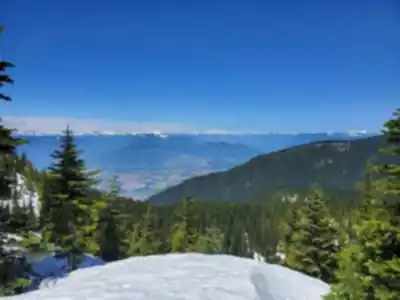
The payoff at the top is substantial. The Fraser Valley spreads out below in full detail — the river, the agricultural patchwork, the urban areas — while the jagged peaks of the Coast Mountains line the horizon to the north and east. On a clear day, Mount Baker's distinctive silhouette is unmistakable to the south. The 360-degree perspective gives you a strong sense of the geography of southwestern British Columbia, with the developed valley sitting in sharp contrast to the wilderness peaks surrounding it.
Views like this are the reason people keep coming back to Elk Mountain. The summit doesn't require technical skills or a multi-day commitment — it just requires showing up and putting in the climb.
Wildlife and Seasonal Highlights
The mountain lives up to its name — Roosevelt elk do roam these forests, though actually spotting one takes patience and some luck. Black-tailed deer are a more common sight, particularly in the meadow areas during early morning or late afternoon. Bird life varies by elevation zone, with Steller's jays and varied thrushes common in the lower forest sections and different species appearing as you move into the alpine.
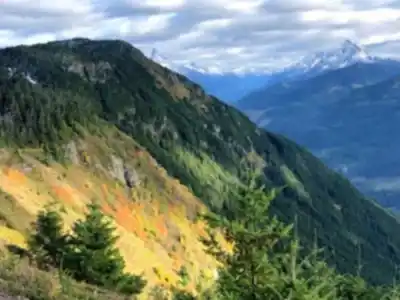
The subalpine meadows put on a strong wildflower show in summer, with Indian paintbrush, lupine, and mountain aster peaking through July and August. Come September and October, the deciduous shrubs shift into fall colors, which makes the meadow sections particularly photogenic in the early autumn.
Getting There and Planning Ahead
The trailhead is a short drive from Chilliwack, which puts it within easy reach for a day trip from Vancouver. Parking is available at the trailhead, but arriving early on weekends during peak season is a practical move — the mountain's popularity means the lot fills up.
Weather in the Coast Mountains moves fast. Even when the valley is warm and sunny, temperatures at the summit can be significantly cooler, and afternoon clouds or rain can roll in without much warning. Layered clothing and a rain shell are worth packing regardless of the forecast. Sturdy hiking boots with good traction handle the varied terrain better than trail runners, especially on the rocky upper sections.
Carry more water than you think you need. The steady 821-meter climb over 4 kilometers of uphill hiking burns through hydration quickly, and there's no reliable water source on the trail. Snacks or a proper lunch for the summit make the experience considerably better.
Early starts are worth it for two reasons: the views tend to be clearest before afternoon clouds build, and the forest is most active in the morning hours if wildlife sightings matter to you. Staying on established trails and packing out everything you bring in keeps the mountain in good shape for everyone who comes after you.
The Essential Hiking Checklist
Everything you need for your next hike. Bilingual, printable, 1 page.
Get your free hiking checklistRecommended gear for this trail
As an Amazon Associate I earn from qualifying purchases.


Ready to go?
Everything you need to know before you goStarting Point
The elk mountain trails are located in the Elk Valley, British Columbia. To get to the start of the trails, take Highway 3 east from Fernie to Sparwood. Turn left onto Highway 43 and drive for about 15 minutes until you reach the Elk Valley Nordic Centre. The trails start at the Nordic Centre.
When?
How much?
As an Amazon Associate I earn from qualifying purchases.
Affiliate links — LGPO may earn a commission at no extra cost to you.
- Hiking shoes Essential
- → Salomon Elixir Tour Mid WP · 203.38 $
- Layered clothing Essential
- Rain jacket Essential
- Trekking poles
- → Black Diamond Trail Ergo Cork · 69.99 $
- Headlamp
- → Petzl Actik Core 625 · 103.95 $
FAQ - Frequently asked questions
Everything you need to knowSimilar hikes nearby
Discover other trails you might enjoy
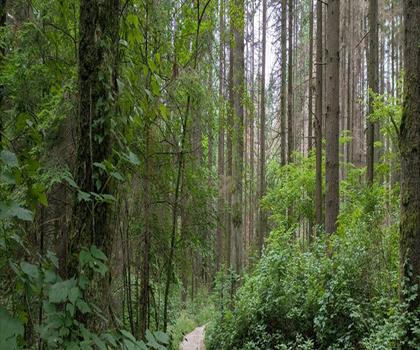
Bridle Path
Vancouver Coast Mountains
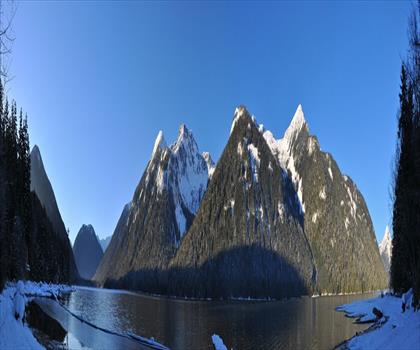
Flora Lake
Vancouver Coast Mountains

Alouette Mountain
Vancouver Coast Mountains
Williamson Lake
Vancouver Coast Mountains
Brandywine Mountain
Vancouver Coast Mountains

Coliseum Mountain
Vancouver Coast Mountains
Hiking near Vancouver
235 trails to explore ~98 km away
We work hard to provide the most up-to-date and error-free data possible. If something seems incorrect, let us know! Your contribution helps the whole community.
Hikers' opinions
Be the first to review!
No hiker has shared their experience yet. Share your impressions and help other hikers!