

Ready to explore Goat Mountain? Here's everything you need to know before you go!
Discover the trail

Trail description
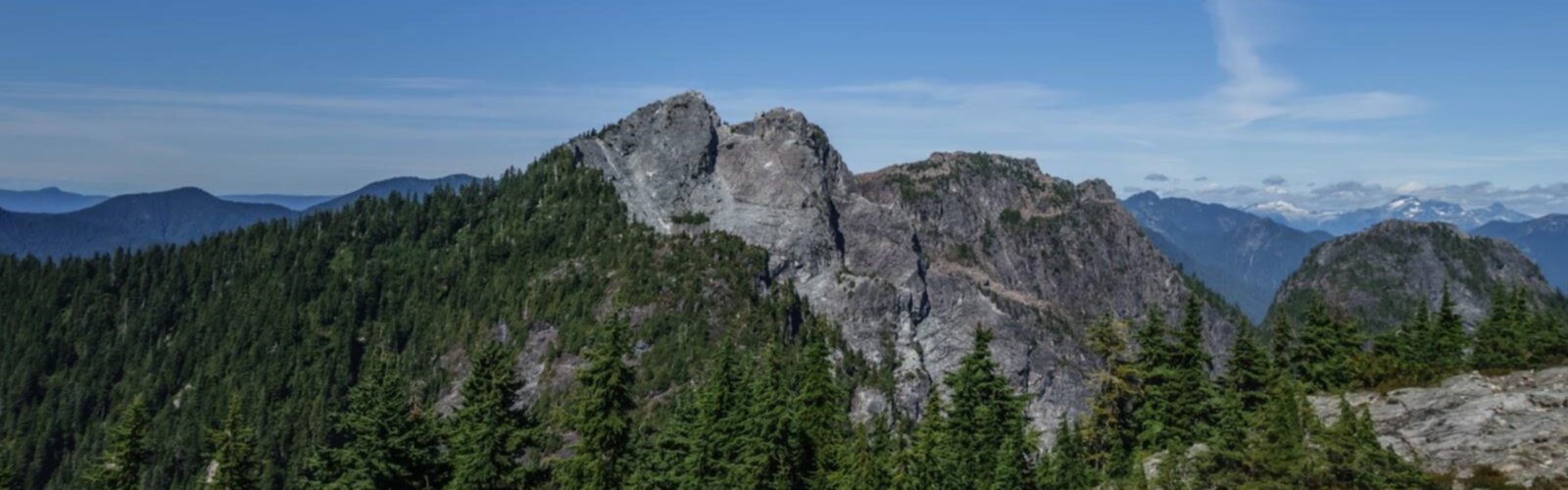
Goat Mountain rises prominently in the Vancouver Coast Mountains, offering one of the most rewarding day hikes accessible from the city. This peak delivers a genuine alpine experience—challenging terrain, diverse ecosystems, and summit views that stretch from Howe Sound to Vancouver's skyline. The mountain sits just north of Vancouver, with the trailhead conveniently located at Grouse Mountain Resort, which means no forest service road approach and no four-wheel drive required.
The Trail
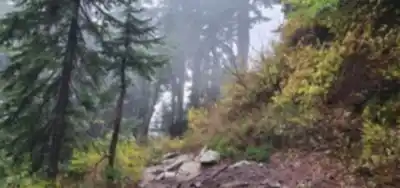
The route covers 16 kilometers with 2,696 meters of elevation gain—numbers that tell you this hike means business regardless of how the difficulty is classified. Plan for around 5.5 hours on the trail. The path starts at Grouse Mountain Resort and immediately pulls you into dense coastal forest, where Douglas firs and western red cedars form a thick canopy overhead. The forest floor stays cool and damp even on warm summer days, with soft earth underfoot and the rich scent of cedar in the air.
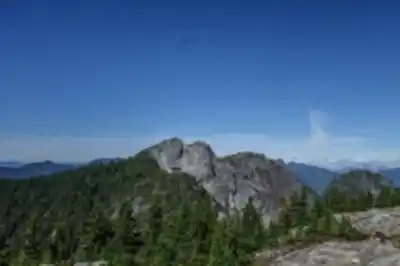
As you gain elevation, the character of the hike shifts noticeably. The lush lower forest gives way to rockier, more exposed terrain where the trail demands careful foot placement. Brief openings in the canopy start revealing distant peaks and hint at what's waiting above. The final approach to the summit involves navigating rocky sections that can be genuinely slippery when wet—this is where the hike earns its reputation. The trail becomes less defined up top, so basic route-finding confidence is useful here.
Summit Views
The payoff at Goat Mountain's summit is hard to overstate. The panoramic view takes in Howe Sound's island-dotted waters stretching toward the Sunshine Coast, while to the south, Vancouver's urban landscape spreads across the Fraser River delta. On clear days, you can see Vancouver Island's mountains across the Strait of Georgia. Rocky outcrops near the top provide natural spots to sit, eat lunch, and take it all in. The contrast between the wild alpine environment and the visible city below gives this summit a perspective that's genuinely unique in the region.
Natural Environment
The ecosystems you move through on Goat Mountain are a big part of what makes this hike interesting. The lower sections showcase classic coastal temperate rainforest—massive old-growth trees, moss draped over everything, and during spring and early summer, wildflowers across the forest floor. Higher up, the forest thins out and the understory changes. Salmonberry and huckleberry bushes appear along the trail, and rocky outcrops support different plant communities adapted to drier, more exposed conditions.
Wildlife is a real possibility on this trail. Black bears frequent the area, particularly during berry season, so making noise and storing food properly are standard practice here. Mountain goats—the peak's namesake—occasionally show up on the rocky upper slopes and summit area, and spotting one navigating steep terrain is a memorable moment. Bird life shifts with elevation: Steller's jays and varied thrushes in the forest sections, raptors riding thermals near the summit. Binoculars are worth the extra weight.
Practical Information
Sturdy hiking boots with solid ankle support are essential—the rocky terrain and loose stones on the upper sections demand reliable footwear. Carry more water than you think you'll need; the distance and elevation gain combined with potential warm weather adds up quickly. Energy-dense snacks help maintain stamina through the more demanding stretches.
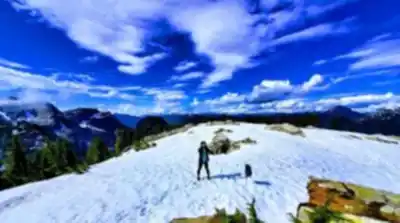
Layered clothing is the right approach given the elevation gain and summit exposure. Conditions at the top can be significantly cooler and windier than at the trailhead, and weather in the Coast Mountains can shift fast. Check trail conditions before heading out, especially in spring when snow can linger on the upper sections well into the season. Winter conditions make this route appropriate only for experienced mountaineers with proper gear.
Cell coverage is unreliable on the upper trail, so self-reliance matters here. Hiking with at least one other person is a smart call given how remote the upper sections feel. Pack out everything you bring in—Goat Mountain sees increasing visitor pressure each year, and keeping the area clean is a shared responsibility among everyone who uses it.
The Essential Hiking Checklist
Everything you need for your next hike. Bilingual, printable, 1 page.
Get your free hiking checklistRecommended gear for this trail
As an Amazon Associate I earn from qualifying purchases.


Ready to go?
Everything you need to know before you goStarting Point
The goat mountain trails are located in the community of Pemberton, British Columbia. To get to the start of the trails, take Highway 99 north from Vancouver and exit at Pemberton Meadows Road. Follow Pemberton Meadows Road for about 15 minutes until you reach the signed trailhead parking lot on the left.
When?
As an Amazon Associate I earn from qualifying purchases.
Affiliate links — LGPO may earn a commission at no extra cost to you.
- Hiking shoes Essential
- → Salomon Elixir Tour Mid WP · 203.38 $
- Layered clothing Essential
- Rain jacket Essential
- Trekking poles
- → Black Diamond Trail Ergo Cork · 69.99 $
- Headlamp
- → Petzl Actik Core 625 · 103.95 $
FAQ - Frequently asked questions
Everything you need to knowSimilar hikes nearby
Discover other trails you might enjoy
Bridle Path
Vancouver Coast Mountains
Flora Lake
Vancouver Coast Mountains

Alouette Mountain
Vancouver Coast Mountains
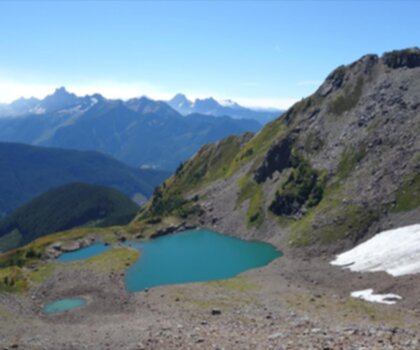
Williamson Lake
Vancouver Coast Mountains
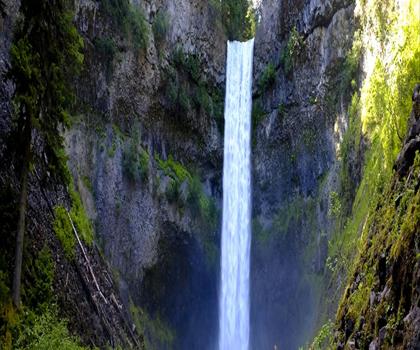
Brandywine Mountain
Vancouver Coast Mountains

Coliseum Mountain
Vancouver Coast Mountains
Hiking near Vancouver
235 trails to explore ~14 km away
We work hard to provide the most up-to-date and error-free data possible. If something seems incorrect, let us know! Your contribution helps the whole community.
Hikers' opinions
Be the first to review!
No hiker has shared their experience yet. Share your impressions and help other hikers!