
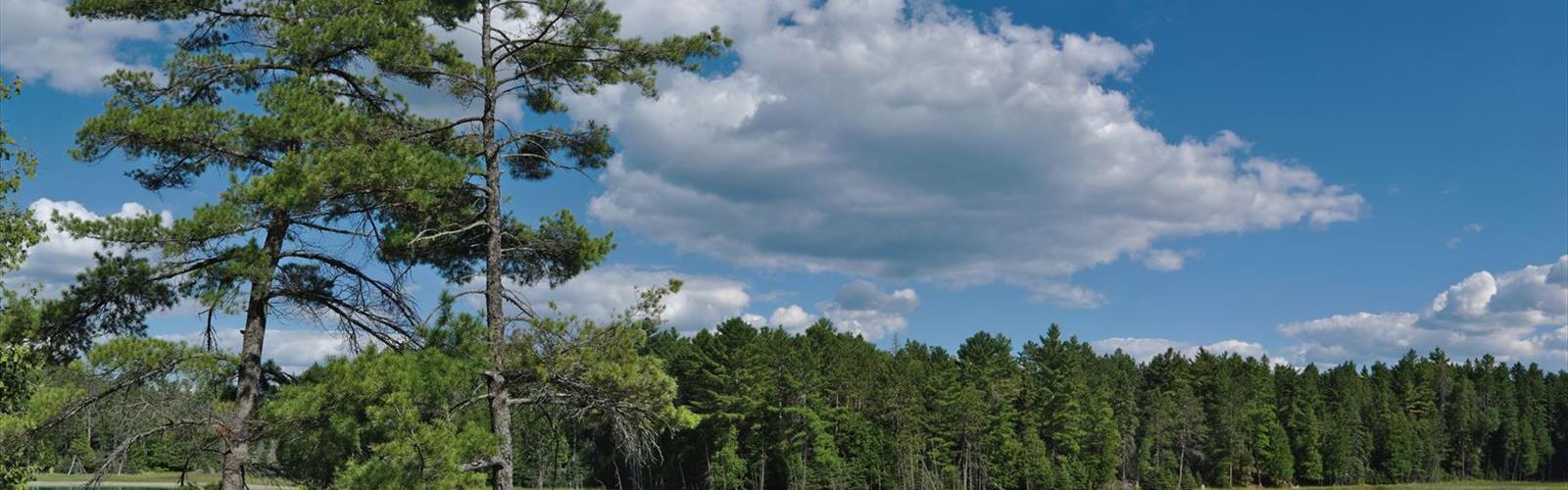

Ready to explore Petroglyphs Provincial Park? Here's everything you need to know before you go!
Discover the trail
Photos: claudiu_dobre — CC BY-NC-SA (Flickr) The Cosmonaut — CC BY-SA (Wikimedia Commons)
Trail description
Petroglyphs Provincial Park is one of Ontario's most remarkable outdoor destinations — a place where ancient Indigenous history and accessible trail hiking come together in the heart of Kawarthas Northumberland. It's not your typical provincial park hike. Here, the trail experience is inseparable from the cultural weight of what surrounds you, and that combination makes a visit genuinely unlike anything else in the region.
The Petroglyphs Themselves
The park's defining feature is a single outcrop of crystalline limestone that holds over 900 petroglyphs carved by Algonkian-speaking peoples more than 1,000 years ago. These carvings — depicting spiritual figures, animals, and symbols — represent one of the largest concentrations of Indigenous rock art in Canada. They're not scattered across the landscape; they're concentrated on one remarkable surface, which makes the encounter feel focused and powerful rather than diffuse.
To protect the carvings from weathering, they're housed inside a purpose-built structure. That might sound like it would diminish the experience, but it actually creates something more intimate — you're standing close to these images in a quiet, controlled space that encourages you to slow down and look carefully. Guided tours are available through the Learning Place Visitor Centre and are well worth your time. The interpreters bring real depth to what you're seeing, explaining the spiritual significance of specific symbols and connecting the carvings to the broader history of the peoples who created them.
The Trail
The main trail at Petroglyphs Provincial Park covers 1.5 km with about 30 metres of elevation gain, and most people complete it in around 30 minutes. It's rated easy, and that's accurate — this is a trail that families with young kids, older adults, and casual walkers can all handle comfortably. The path is well-maintained and clearly marked throughout.
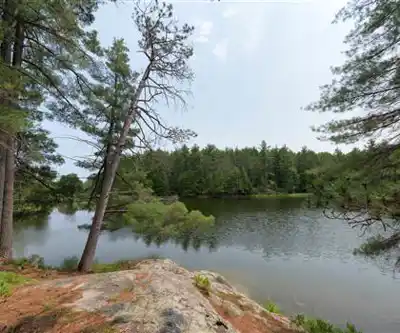
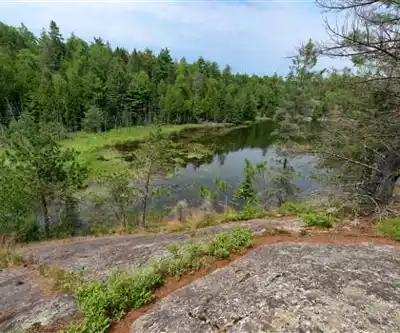
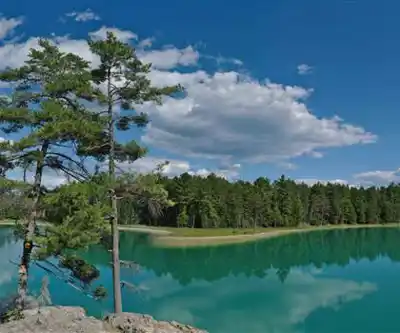
The terrain reflects the Canadian Shield transition zone that defines this part of Ontario. You'll walk through mixed forest — maple, oak, and pine — with the trail occasionally opening up to reveal wetland areas and rocky outcrops. The exposed bedrock and glacial erratics scattered through the landscape give the hike a distinctly Canadian Shield character, even on a short loop. The forest floor shifts depending on where you are: drier ridge sections dominated by oak give way to moister, fern-rich pockets in lower areas.
Rocky sections appear throughout, so sturdy footwear matters even on an easy trail like this. Light hiking boots or solid walking shoes will keep you comfortable, especially after rain when wet rock and roots can get slippery. The trail isn't technically demanding, but good grip underfoot makes the experience more relaxed.
Wildlife and Natural Features
The park's mix of forest and wetland habitats supports a solid variety of wildlife. White-tailed deer are a regular sight, particularly in the early morning and evening. Beavers are active in the wetland areas, and their work — dams, lodges, flooded channels — adds interesting texture to the landscape. Birdwatchers will find the park rewarding: chickadees, nuthatches, and pileated woodpeckers are common in the forest, while the wetland edges attract more specialized species. Warblers pass through during spring and fall migration, making those seasons particularly good for birding.
Beyond the famous petroglyphs, the park's geology is worth paying attention to. The exposed Canadian Shield bedrock, glacial deposits, and small wetlands formed by glacial activity create a layered natural history that complements the cultural history on display. These geological features also create distinct microhabitats — small pockets of different plant communities that add variety to what's a relatively short walk.
Planning Your Visit
The park operates seasonally, generally from May through October, with hours that vary across the season. Checking current schedules before you go is important — both the trails and the Learning Place Visitor Centre follow seasonal operating hours that can shift based on conditions. The visitor centre is genuinely worth building time into your visit for; the exhibits on the cultural context of the carvings add real meaning to what you'll see on the rock surface.
Bring water, especially in summer when the forest canopy doesn't always provide full shade relief. If you want to photograph the petroglyphs inside the protective structure, confirm the current photography policy with staff when you arrive — rules around this can vary.
Petroglyphs Provincial Park sits within easy reach of other outdoor destinations in the Kawarthas Northumberland region, including additional provincial parks and the Trent-Severn Waterway system, making it a natural anchor for a longer day or weekend of exploration in the area.
The Essential Hiking Checklist
Everything you need for your next hike. Bilingual, printable, 1 page.
Get your free hiking checklistRecommended gear for this trail
As an Amazon Associate I earn from qualifying purchases.


Ready to go?
Everything you need to know before you goStarting Point
The petroglyphs provincial park is located in the town of Peterborough, Ontario. To get to the park, take Highway 7 east from Peterborough until you reach the park entrance on your left.
When?
How much?
As an Amazon Associate I earn from qualifying purchases.
Affiliate links — LGPO may earn a commission at no extra cost to you.
- Hiking shoes Essential
- → Salomon Elixir Tour Mid WP · 203.38 $
- Layered clothing Essential
- Rain jacket Essential
- Trekking poles
- → Black Diamond Trail Ergo Cork · 69.99 $
- Headlamp
- → Petzl Actik Core 625 · 103.95 $
FAQ - Frequently asked questions
Everything you need to knowSimilar hikes nearby
Discover other trails you might enjoy
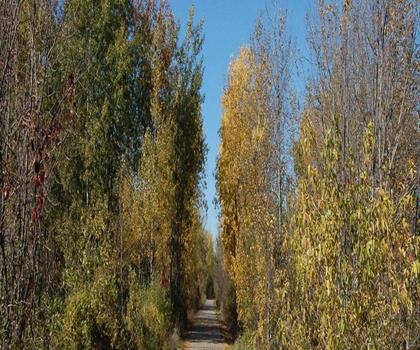
Victoria Rail Trail
Kawarthas Northumberland
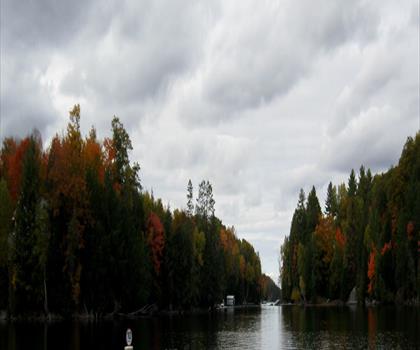
Chandos Lake
Kawarthas Northumberland
Presqu'ile Provincial Park
Kawarthas Northumberland
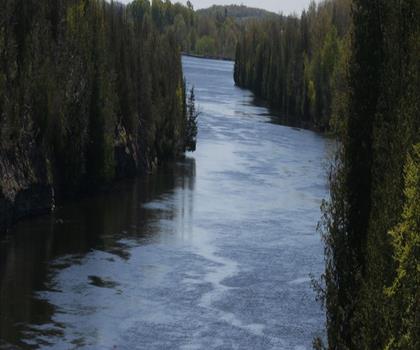
Ranney Gorge Suspension Bridge
Kawarthas Northumberland
Head Lake
Kawarthas Northumberland
Kawartha Highlands Provincial Park
Kawarthas Northumberland
Hiking near Barrie
146 trails to explore ~133 km away
We work hard to provide the most up-to-date and error-free data possible. If something seems incorrect, let us know! Your contribution helps the whole community.
Hikers' opinions
Be the first to review!
No hiker has shared their experience yet. Share your impressions and help other hikers!