

Ready to explore Réserve naturelle nationale de la vallée de Chaudefour? Here's everything you need to know before you go!
Discover the trail
Trail description
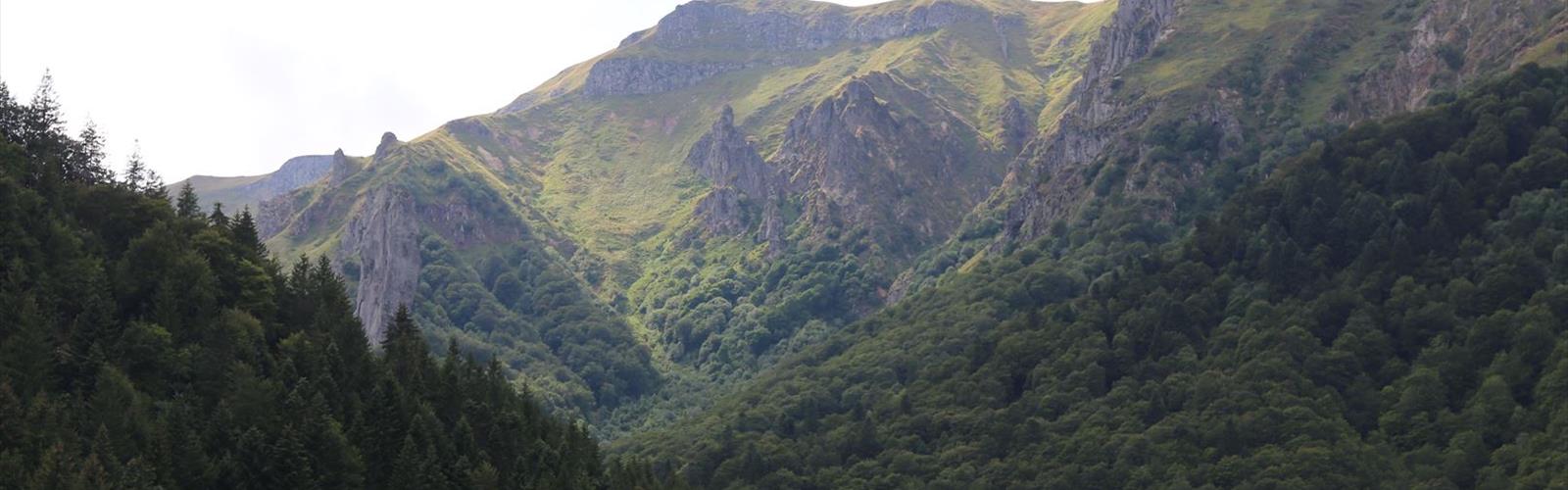
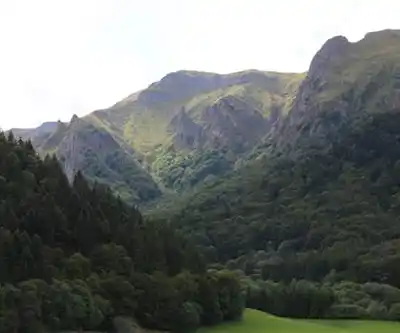
The Chaudefour Valley National Nature Reserve stands as one of France's most pristine wilderness areas, protecting 2,885 hectares of diverse mountain terrain in the heart of the Puy-de-Dôme department. Established in 1985 as one of the country's earliest nature reserves, this protected landscape showcases the raw beauty of the Auvergne-Rhône-Alpes region through three distinct ecosystems that create a hiking experience unlike anywhere else in central France.
The Three Faces of Chaudefour
What makes Chaudefour Valley exceptional is how dramatically the landscape shifts as you move through its three main zones. The Chaudefour forest dominates nearly 1,000 hectares with dense stands of beech and fir that create cathedral-like corridors along the valley floor. These ancient trees form a canopy so thick that even on bright days, the forest floor remains cool and shadowed, with shafts of sunlight breaking through to illuminate patches of moss and fern.
Beyond the forest, the character changes completely as you enter the Dordogne gorges. This network of canyons and ravines stretches for 5 kilometers, carving deep channels through the volcanic rock that defines this region. The gorges reveal the geological history of the area in dramatic fashion, with exposed cliff faces showing layers of ancient lava flows and sedimentary deposits. Water has sculpted these formations over millennia, creating narrow passages where the sound of your footsteps echoes off stone walls.
The highest terrain takes you onto the Sancy plateaus, where wooded hills rise to 1,690 meters above sea level. Up here, the forest gives way to more open terrain with scattered groves and expansive views across the volcanic landscape of the Massif Central. The elevation gain provides a genuine mountain hiking experience, with the air growing noticeably thinner and cooler as you climb.
Wildlife and Natural Heritage
The reserve's protected status has allowed wildlife populations to flourish in ways that make every hike a potential wildlife encounter. Lynx move silently through the deeper forest sections, though spotting one requires patience and luck. More commonly seen are the chamois, which have adapted well to the rocky terrain of the gorges and upper plateaus. These sure-footed animals often graze in the early morning hours, and hikers who start early frequently catch glimpses of small herds picking their way across seemingly impossible cliff faces.
The plant life tells the story of the region's unique climate and geology. Juniper thrives in the higher elevations, its hardy nature allowing it to withstand the harsh winters that can blanket these peaks in snow for months. The diversity of microclimates within the reserve means you'll encounter everything from moisture-loving ferns in the shadowed gorges to drought-resistant alpine species on the exposed plateaus.
Trail Experience and Terrain
Hiking in Chaudefour Valley means navigating terrain that changes character every few hundred meters. The forest sections follow well-established paths that can be muddy after rain, particularly in spring when snowmelt combines with seasonal precipitation. Proper waterproof boots become essential during these periods, as the trail can remain soggy well into late morning even on sunny days.
The gorge sections present the most technical hiking, with rocky footing and some exposure along cliff edges. The volcanic rock can be slippery when wet, and the narrow passages mean there's little room to step aside if weather conditions deteriorate. These areas demand attention to foot placement and a steady pace rather than speed. The echo of water flowing through hidden channels adds an atmospheric soundtrack to your progress through these ancient corridors.
On the plateaus, the hiking becomes more straightforward but potentially more demanding due to elevation and exposure to weather. Wind can be significant at these heights, and temperatures drop noticeably compared to the protected valley floor. The reward is panoramic views that extend across the entire Puy-de-Dôme region, with the distinctive peaks of other volcanic formations visible on clear days.
What Sets This Place Apart
The reserve's volcanic origins create hiking conditions you won't find elsewhere in central France. The rock formations tell a story millions of years in the making, with each layer representing different periods of volcanic activity. This geological diversity translates into constantly changing trail surfaces, from soft forest loam to hard volcanic stone to loose scree on the higher slopes.
The protected status means you're hiking through landscapes that have remained largely unchanged for decades. There's a wildness here that's increasingly rare in Europe, where human intervention has shaped most natural areas. The silence in the deeper forest sections can be profound, broken only by bird calls and the distant sound of water moving through the gorges.
Seasonal Considerations
The reserve experiences dramatic seasonal changes that fundamentally alter the hiking experience. Spring brings wildflower blooms throughout the forest and meadow areas, but also means dealing with muddy conditions and potentially unstable weather. The snowmelt creates temporary waterfalls and streams that disappear by midsummer, adding dynamic elements to the landscape.
Summer offers the most reliable hiking conditions, though the forest sections can become quite humid during hot spells. The higher elevations provide welcome relief from valley heat, making the climb worthwhile on sweltering days. This is also when wildlife is most active, with early morning and late afternoon offering the best chances for animal encounters.
Fall transforms the beech and fir forests into a showcase of autumn colors, with the changing leaves creating natural light shows as sunlight filters through the canopy. However, this is also when weather can turn quickly, and hikers need to be prepared for sudden temperature drops, especially at higher elevations.
Winter hiking is possible but requires serious preparation and experience with mountain conditions. Snow can make the gorge sections particularly treacherous, and the higher elevations may be inaccessible without proper winter gear and navigation skills.
Planning Your Adventure
The reserve's size and diverse terrain mean that day hikes can range from gentle forest walks to challenging mountain ascents. The 5-kilometer extent of the gorges alone provides enough variety for multiple visits, while combining all three zones into a single hike creates a full-day adventure that showcases everything Chaudefour Valley has to offer.
Water sources are available throughout much of the reserve, but carrying adequate supplies is essential, particularly for hikes that venture onto the higher plateaus. The combination of elevation gain and varied terrain means that even experienced hikers often find themselves moving more slowly than anticipated, making extra water and snacks a wise precaution. The volcanic rock can be surprisingly sharp on gear, so checking your equipment before and after hikes helps prevent unexpected failures on future adventures.
The Essential Hiking Checklist
Everything you need for your next hike. Bilingual, printable, 1 page.
Get your free hiking checklistRecommended gear for this trail
As an Amazon Associate I earn from qualifying purchases.


Ready to go?
Everything you need to know before you goStarting Point
The trailhead for the Chaudefour Valley National Nature Reserve is located in Saint-Agrève, Auvergne-Rhône-Alpes.
When?
How much?
As an Amazon Associate I earn from qualifying purchases.
Affiliate links — LGPO may earn a commission at no extra cost to you.
- Hiking shoes Essential
- → Salomon Elixir Tour Mid WP · 203.38 $
- Layered clothing Essential
- Rain jacket Essential
- Trekking poles
- → Black Diamond Trail Ergo Cork · 69.99 $
- Headlamp
- → Petzl Actik Core 625 · 103.95 $
FAQ - Frequently asked questions
Everything you need to knowSimilar hikes nearby
Discover other trails you might enjoy
Puy-de-Dôme
Puy-de-Dôme
Puy de la Vache
Puy-de-Dôme
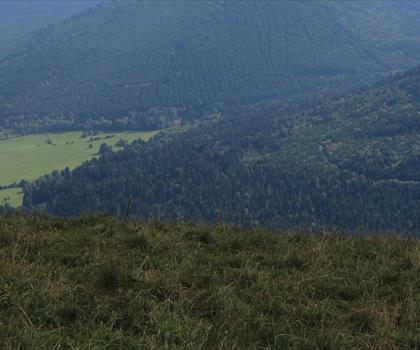
Parc naturel régional des Volcans d'Auvergne
Puy-de-Dôme
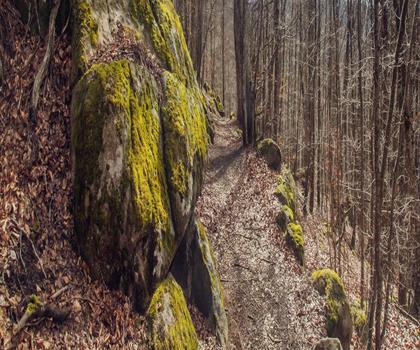
Parc naturel régional Livradois-Forez
Puy-de-Dôme

Gorges de Ceyrat
Puy-de-Dôme
Cascades de Chiloza
Puy-de-Dôme
Hiking near Sydney
22 trails to explore ~4764 km away
We work hard to provide the most up-to-date and error-free data possible. If something seems incorrect, let us know! Your contribution helps the whole community.
Hikers' opinions
Be the first to review!
No hiker has shared their experience yet. Share your impressions and help other hikers!