


Ready to explore Cascade des tufs? Here's everything you need to know before you go!
Discover the trail
Trail description
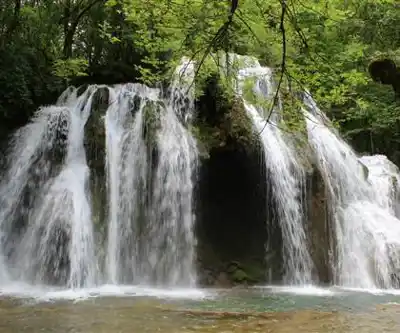
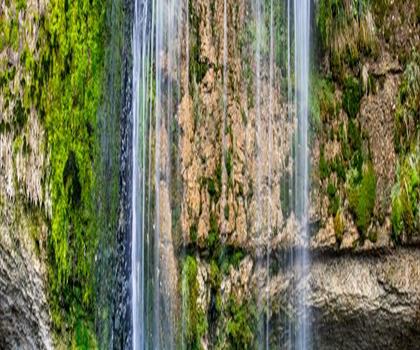
The Cascade des Tufs stands as one of the Jura region's most captivating natural features, where limestone-rich waters have sculpted an extraordinary terraced waterfall over thousands of years. This geological marvel showcases the unique tufa formations that give the cascade its name—porous limestone deposits created as mineral-laden spring water flows over moss and vegetation, gradually building up the characteristic stepped appearance that makes this waterfall unlike any other in the region.
Located in the heart of the Jura Mountains, this natural wonder draws visitors with its ethereal beauty and the fascinating process of limestone deposition that continues to shape the landscape today. The cascade tumbles down through a series of natural pools and terraces, each level offering a different perspective on this ongoing geological sculpture. The water's high calcium carbonate content creates the distinctive white and cream-colored deposits that contrast beautifully with the surrounding green vegetation and darker rock faces.
The Trail Experience
The 2.5-kilometer trail to Cascade des Tufs offers hikers an intimate encounter with the diverse ecosystems of the Jura region. With just 80 meters of elevation gain spread over the route, this easy hike takes about an hour and fifteen minutes, making it accessible to families and casual hikers while still providing a rewarding outdoor experience.
The path winds through mixed forests where beech, spruce, and fir trees create a canopy that filters sunlight into dappled patterns on the forest floor. The relatively gentle terrain allows you to focus on the changing landscape as you approach the cascade, with the forest gradually transitioning from drier upland areas to the more humid environment surrounding the waterfall.
As you near the cascade, the sound of falling water grows more pronounced, and the air becomes noticeably cooler and more humid. The microclimate around the waterfall supports unique plant communities, including various mosses and ferns that thrive in the constant mist. These plants play a crucial role in the tufa formation process, as the limestone-rich water deposits minerals on their surfaces, gradually building up the terraced structure over time.
The viewing areas around the cascade provide multiple vantage points to appreciate both the waterfall's beauty and its geological significance. From the base, visitors can observe the intricate details of the tufa formations and watch the ongoing process of mineral deposition. The pools at each level reflect the surrounding forest and sky, creating natural mirrors that double the visual impact of this already stunning location.
What Makes This Trail Special
Unlike many waterfalls in the Jura that simply cascade over existing rock faces, the Cascade des Tufs represents something far more dynamic—a waterfall that's actively building itself. The tufa formations you see today didn't exist thousands of years ago, and the cascade will look different thousands of years from now as the mineral deposition continues.
The short distance and minimal elevation gain make this one of the most accessible geological wonders in the region. You don't need to commit to a full day of hiking or tackle challenging terrain to witness this remarkable natural process in action. The trail's ease also means you can take your time at the cascade itself, studying the formations and perhaps returning multiple times throughout the year to observe seasonal changes.
Seasonal Considerations
Each season brings its own character to the Cascade des Tufs experience. Spring visits coincide with snowmelt, when water flow reaches its peak and the cascade displays its full power and volume. The surrounding forest comes alive with new growth, and wildflowers begin their seasonal show. This is also when the contrast between the white limestone deposits and fresh green vegetation is most striking.
Summer offers the most comfortable hiking conditions, with warm temperatures and generally dry trails. The forest canopy provides welcome shade, and the cool mist from the waterfall creates refreshing microclimates perfect for rest stops. The reduced water flow during drier periods allows for closer examination of the tufa formations and a clearer view of the geological processes at work.
Autumn transforms the area into a photographer's paradise, as the deciduous trees surrounding the cascade burst into brilliant colors that complement the cream and white limestone formations. The cooler temperatures and increased rainfall often boost water flow, creating a dynamic balance between the seasonal forest colors and the active waterfall.
Winter visits require more preparation and caution, as trails can become icy and snow may obscure path markers. However, those who venture out during the colder months are rewarded with a magical landscape where ice formations combine with the limestone terraces to create an otherworldly winter wonderland.
Understanding the Geology
The Cascade des Tufs represents an active example of travertine formation, a process that has been shaping landscapes in limestone regions for millions of years. The spring water feeding the cascade emerges from underground aquifers that have dissolved limestone bedrock, becoming supersaturated with calcium carbonate. When this mineral-rich water reaches the surface and flows over organic matter like moss and fallen leaves, it releases carbon dioxide and deposits limestone in thin layers.
This ongoing process means that the cascade is literally growing and changing shape continuously, though at a pace measured in decades rather than days. The terraced pools and stepped appearance result from this gradual buildup, with each level representing years or even decades of mineral deposition. Understanding this process adds depth to any visit, as observers can witness geology in action rather than simply viewing the end result of ancient processes.
The surrounding rock formations tell the broader story of the Jura region's geological history, with exposed limestone layers revealing ancient marine environments and the gradual uplift that created the current mountain landscape. The cascade serves as a window into both past and present geological processes, making it an invaluable natural laboratory for understanding how water and limestone interact to create unique landforms.
Planning Your Visit
The easy difficulty rating makes this destination accessible to most hikers with basic fitness levels, though the terrain can be uneven and potentially slippery near the waterfall due to constant moisture. Sturdy hiking boots with good traction are essential, particularly during wet conditions or when morning dew makes surfaces slick.
Photography enthusiasts should plan for varying light conditions, as the forest canopy and mist from the cascade create challenging but rewarding shooting conditions. Early morning and late afternoon often provide the best natural lighting, with sun angles that illuminate both the limestone formations and surrounding vegetation effectively.
The combination of geological wonder, forest ecosystems, and the peaceful sound of flowing water makes Cascade des Tufs a destination that rewards both casual nature lovers and serious students of geology, offering something new to discover with each visit as seasons change and the ongoing process of tufa formation continues to reshape this remarkable natural sculpture.
The Essential Hiking Checklist
Everything you need for your next hike. Bilingual, printable, 1 page.
Get your free hiking checklistRecommended gear for this trail
As an Amazon Associate I earn from qualifying purchases.


Ready to go?
Everything you need to know before you goWhen?
How much?
As an Amazon Associate I earn from qualifying purchases.
Affiliate links — LGPO may earn a commission at no extra cost to you.
- Hiking shoes Essential
- → Salomon Elixir Tour Mid WP · 203.38 $
- Layered clothing Essential
- Rain jacket Essential
- Trekking poles
- → Black Diamond Trail Ergo Cork · 69.99 $
- Headlamp
- → Petzl Actik Core 625 · 103.95 $
FAQ - Frequently asked questions
Everything you need to knowSimilar hikes nearby
Discover other trails you might enjoy
Baume-les-Messieurs
Jura
Cascade des Combes
Jura
Cascade De La Billaude Ou Saut Claude Roy
Jura

Sentier Karstique Besain
Jura
Cascades du Hérisson
Jura
Hiking near Sydney
22 trails to explore ~4910 km away
We work hard to provide the most up-to-date and error-free data possible. If something seems incorrect, let us know! Your contribution helps the whole community.
Hikers' opinions
Be the first to review!
No hiker has shared their experience yet. Share your impressions and help other hikers!