


Ready to explore Sentier Karstique Besain? Here's everything you need to know before you go!
Discover the trail
Trail description
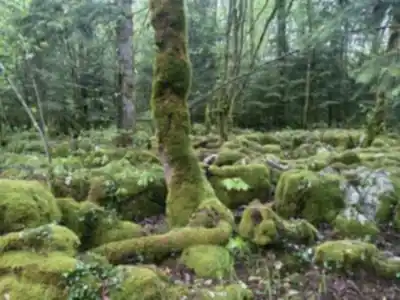
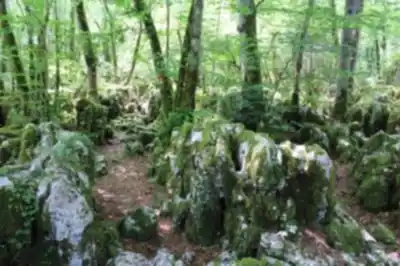
The Besain Karstic Trail winds through some of the most distinctive geological terrain in the Burgundy-Franche-Comté region, showcasing the dramatic limestone landscapes that define this corner of the Jura Mountains. This fascinating route takes you across the Besain plateau, where millions of years of water erosion have carved an otherworldly landscape of rock formations, hidden caves, and natural sculptures that make every turn feel like a discovery.
Starting from the village of Besain at 710 meters elevation, you'll immediately notice how the trail seems to dance between the plateau's most striking features. The path threads between towering limestone cliffs and deep gorges, creating a hiking experience that feels more like exploring a natural sculpture garden than following a traditional mountain trail. The 150 meters of elevation gain is distributed gradually throughout the route, making the climbs manageable while still providing enough variation to keep the terrain interesting.
Karst Landscape Features
What sets this trail apart from other Jura hikes is the incredible concentration of karst formations you'll encounter. Dolines—circular depressions where the ground has collapsed into underground cavities—dot the landscape like giant footprints. Some are shallow grass-filled bowls, while others plunge dramatically into darkness, hinting at the extensive cave systems beneath your feet. The lapiaz formations create natural stone pavements where rainwater has etched intricate patterns into the exposed limestone, forming channels and ridges that look almost deliberately crafted.
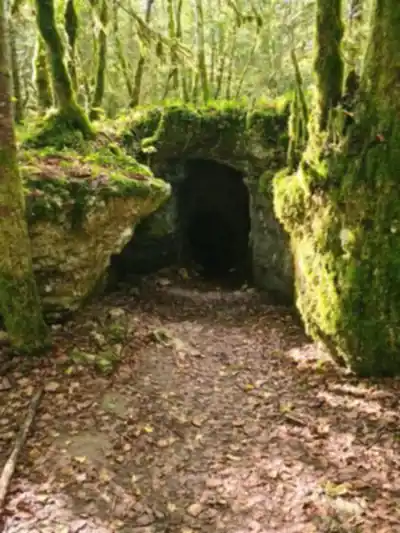
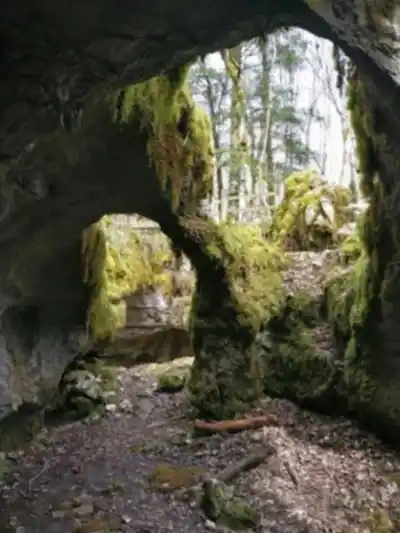
The chasms along the route offer glimpses into the underground world that defines this region. These natural openings in the rock reveal how water continues to shape the landscape, carving new passages and enlarging existing caves. During your hike, you'll hear the sound of underground streams flowing through hidden channels, a constant reminder of the active geological processes at work beneath the surface.
Walking among these formations gives you a front-row seat to understanding how limestone terrain evolves. You'll see examples of karst features in various stages of development—from fresh cracks where water has just begun its erosive work to massive caverns where centuries of flow have created cathedral-like spaces. The diversity of formations within such a concentrated area makes this trail a natural classroom for anyone interested in geological processes.
Views and Vantage Points
The trail's elevation and position on the plateau create multiple opportunities for panoramic viewing, particularly of the Ognon Valley stretching out below. These viewpoints aren't just scenic breaks—they're windows into understanding how this landscape fits into the broader Jura mountain system. From the higher sections of the trail, you can trace the valley's path as it cuts through the surrounding peaks, while the contrast between the green valley floor and the stark limestone formations around you highlights the geological diversity of the region.
The surrounding mountains visible from the trail include several notable Jura peaks, creating a backdrop that changes throughout the day as light and shadow play across the ridgelines. Early morning and late afternoon provide the most dramatic lighting for photography, when the limestone formations glow with warm colors and the shadows in the gorges create striking contrasts.
Trail Character and Terrain
The path itself varies considerably as it adapts to the unique terrain. In some sections, you'll walk across smooth limestone slabs where the rock has been polished by centuries of weather. Other portions take you through narrow passages between cliff faces, where the trail feels more like a natural corridor carved by geological forces. The route occasionally requires careful footing, particularly where water erosion has created uneven surfaces or where you need to navigate around the larger dolines.
Despite these variations, the trail remains accessible to hikers with moderate experience. The path is generally well-defined, though the limestone terrain means that traditional trail markers sometimes give way to natural navigation points like distinctive rock formations or the edges of major geological features. This adds an element of adventure without making navigation difficult for those paying attention to their surroundings.
The terrain keeps you engaged throughout the hike. You might find yourself scrambling over low limestone ridges one moment, then walking through grassy depressions the next. The constant variety means you're always looking ahead to see what the landscape will reveal around the next bend, whether it's a hidden chasm, an unusual rock formation, or a new perspective on the surrounding mountains.
Wildlife and Vegetation
The karst environment supports a unique ecosystem adapted to the limestone terrain and the area's specific drainage patterns. Vegetation tends to cluster in the dolines and other depressions where soil has accumulated, creating pockets of lush growth amid the starker rock formations. These microclimates support different plant communities than you'd find on typical mountain trails, with species specifically adapted to the alkaline soil conditions created by limestone bedrock.
The caves and chasms provide habitat for bats and other creatures that thrive in the stable temperatures of underground environments. While you're unlikely to see these animals during daylight hours, their presence adds to the sense that this landscape supports life in ways that aren't immediately visible on the surface.
Seasonal Considerations
The limestone terrain creates unique seasonal hiking conditions. During wet periods, the rock surfaces can become slippery, and some of the deeper karst features may collect water, temporarily altering the landscape's appearance. Spring brings wildflowers to the soil-filled depressions, creating colorful displays against the neutral tones of the rock. Winter hiking is possible but requires extra caution on the limestone surfaces, which can become icy in cold conditions.
Summer provides the most stable hiking conditions, though the exposed nature of much of the plateau means limited shade during the hottest parts of the day. The elevation and open terrain create good air circulation, making even warm days comfortable for hiking if you time your visit appropriately.
Getting There and Access
The village of Besain serves as both the starting point and the practical base for this hike. The community sits at the transition zone between the more developed valley areas and the wild plateau terrain, making it an ideal launching point for exploring the karst landscape. From Besain, the trail access is straightforward, with the route beginning near the village center and quickly leading into the distinctive geological terrain that defines the experience.
The Essential Hiking Checklist
Everything you need for your next hike. Bilingual, printable, 1 page.
Get your free hiking checklistRecommended gear for this trail
As an Amazon Associate I earn from qualifying purchases.


Ready to go?
Everything you need to know before you goStarting Point
The trailhead of the Besain Karstic Trail is located in Besain, in the Bourgogne-Franche-Comté region. To get there, you can use the following coordinates: 45.8667, 6.0333.
When?
How much?
As an Amazon Associate I earn from qualifying purchases.
Affiliate links — LGPO may earn a commission at no extra cost to you.
- Hiking shoes Essential
- → Salomon Elixir Tour Mid WP · 203.38 $
- Layered clothing Essential
- Rain jacket Essential
- Trekking poles
- → Black Diamond Trail Ergo Cork · 69.99 $
- Headlamp
- → Petzl Actik Core 625 · 103.95 $
FAQ - Frequently asked questions
Everything you need to knowSimilar hikes nearby
Discover other trails you might enjoy
Baume-les-Messieurs
Jura
Cascade des tufs
Jura
Cascade des Combes
Jura
Cascade De La Billaude Ou Saut Claude Roy
Jura
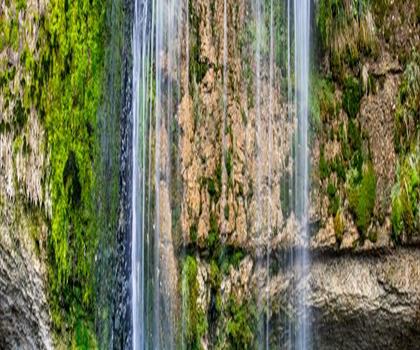
Cascades du Hérisson
Jura
Hiking near Sydney
22 trails to explore ~4913 km away
We work hard to provide the most up-to-date and error-free data possible. If something seems incorrect, let us know! Your contribution helps the whole community.
Hikers' opinions
Be the first to review!
No hiker has shared their experience yet. Share your impressions and help other hikers!