
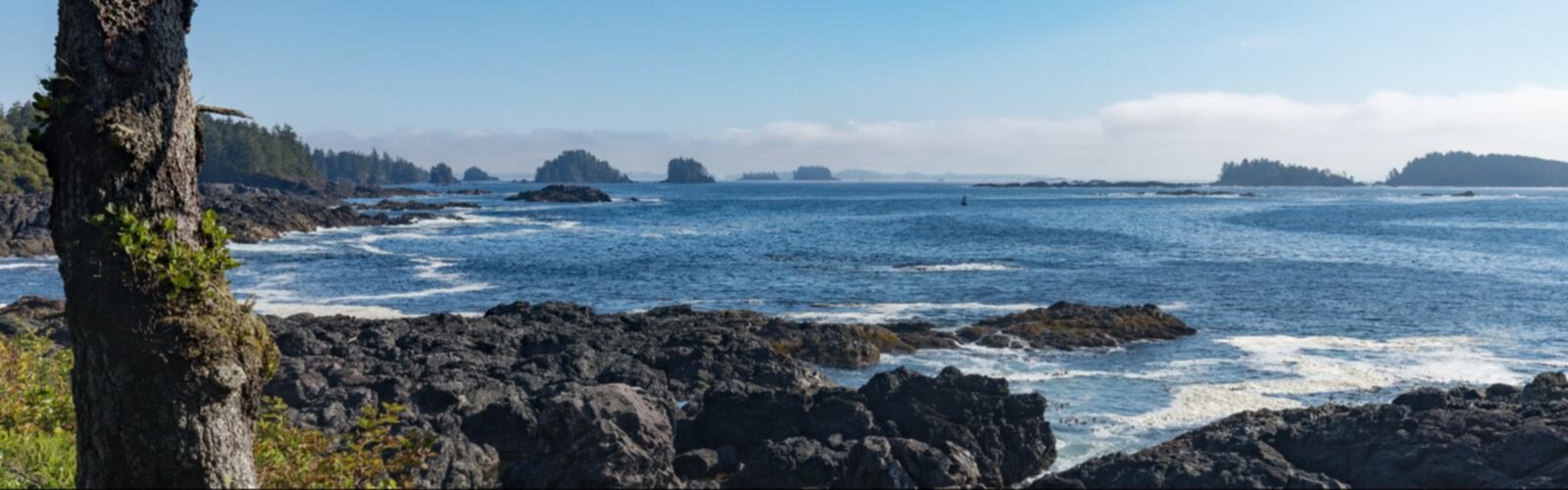

Ready to explore West Coast Trail? Here's everything you need to know before you go!
Discover the trail
Oh no! We don't have any photos 😢
This trail hasn't been captured yet. Be the first to share your adventure!Trail description
The West Coast Trail stretches 75 kilometers along the rugged southwestern coast of Vancouver Island in British Columbia, following ancient First Nation routes through some of Canada's most challenging and spectacular wilderness. This marquee adventure for serious hikers takes 5-7 days to complete, though the trail's length is misleading—the thousands of zigzags through the terrain mean your GPS will often show 4.8 kilometers when the map indicates just 2.
Originally called the Dominion Life Saving Trail, this route was built out of necessity due to the enormous number of shipwrecks along this stretch of ocean known as the Graveyard of the Pacific. The west coast of Vancouver Island is a lee shore where storms quickly drive ships toward the rocky coastline and away from the safety of Juan de Fuca Strait. Over a century later, hikers still stumble across remnants of these maritime disasters—massive anchors like the one left by the Skagit after it disintegrated in 1906, and pieces of shipwrecks scattered along the beaches.
Trail Conditions and Terrain
The West Coast Trail is a jigsaw of brutal difficulty, spectacular wildness, and stunning natural beauty. The route winds up and down over endless chasms tangled with rainforest, where winter storms regularly blast down monstrously huge trees that sprawl across the trail. Even with extensive construction of suspension bridges, cable car crossings, and ladders, the terrain remains unforgiving.
Your pace will be significantly slowed by whole sections of mud, crawling under and over fallen trees, and the irresistible urge to pause every few minutes to soak in sensational views. The treacherous trail in wet conditions becomes muddy and slippery, requiring your full attention at every step. You would need an army of workers to keep on top of the needed repairs, and even the wrecked sections of trail become a source of wonder and amusement—chainsawed ends of enormous trees that crashed down on boardwalks during winter storms create gaps that hikers must navigate.
It takes a couple of days on the trail to truly grasp how wonderful this challenging environment becomes. The route is the only one realistically possible along this tangle of rainforest over brutally changing terrain, formed out of necessity and refined over generations of use.
Access and Planning
The trail is open from May 1 to September 30, with reservations available beginning at 8:00 am PST on January 8 each year through the Parks Canada Reservation Service. Getting to the West Coast Trail is itself a bit of a process, as neither of the access points are large centers by any sense of the word.
A mid-point entrance at Nitinaht Narrows, accessible only by water from Nitinaht Village, allows hikers to tackle a shorter portion of the trail. However, hikers using the Nitinaht Village trailhead should plan for the same rigorous and challenging excursion as those hiking the entire length—the terrain doesn't become any less demanding on the shorter sections.
Safety Considerations
It's easy to focus on the positive aspects of the West Coast Trail and gloss over the dangers, but this wilderness demands respect and preparation. Give yourself lots of time, take frequent breaks, and remain vigilant with every step. The frequent rainy days bring significant risks if you're not properly prepared with appropriate clothing and footwear. Even with good gear, you'll still get quite wet on rainy days from knee-deep mud and perspiration from the physical exertion.
Being soaked to the skin and shivering because you didn't bring the right equipment transforms the trail from a wonderfully scenic trek through wilderness into a grueling endurance test. The cable car crossings present another source of potential accidents—a moment's distraction could send you over the edge, ending your hike with an emergency helicopter ride.
High tides create additional hazards, as plenty of trail sections become impassable during these periods. While the trail features excellent bridges and cable car crossings, you'll still need to ford several creeks and rivers. Plan your daily progress around tide tables and always have alternative timing in mind.
Wildlife and Environment
The vast wilderness surrounding the West Coast Trail is home to wolves and cougars, though you're unlikely to see a wolf and cougar sightings are extremely rare. Bears present a more practical concern—keep your food well secured in the numerous and convenient campsite food boxes rather than near your tent to avoid attracting these animals to your sleeping area.
Along most of the coastal sections, you'll see thousands of mussels clinging to the rocks, part of the rich marine ecosystem that makes this coastline so remarkable. The storms that make this area so dangerous for ships are the same forces that created the dramatic landscapes you'll experience as a hiker.
Water and Supplies
Drinking water is easily found throughout the trail, though you should always treat, filter, or boil it to ensure you don't get sick. The abundant rainfall and numerous streams mean water sources are reliable, but proper treatment remains essential for backcountry safety.
The trail's remote location and challenging conditions mean that self-sufficiency is crucial. The storms are so severe that the trail remains closed from September to May, and even during the open season, weather conditions can change rapidly and dramatically impact your hiking experience.
The Essential Hiking Checklist
Everything you need for your next hike. Bilingual, printable, 1 page.
Get your free hiking checklistRecommended gear for this trail
As an Amazon Associate I earn from qualifying purchases.


Ready to go?
Everything you need to know before you goStarting Point
To access the hiking trails, you can start from one of several trailheads. The southern trailhead is located at Gordon River near Port Renfrew. You can reach it by driving to the Gordon River Trailhead Parking Lot, which is accessible via Deering Road off of Highway 14.
The northern trailhead is situated at Pachena Bay near Bamfield. To get there, drive to the Pachena Bay Campground and Trailhead, accessible via South Bamfield Road.
Both locations have parking facilities available for hikers.
When?
As an Amazon Associate I earn from qualifying purchases.
Affiliate links — LGPO may earn a commission at no extra cost to you.
- Hiking shoes Essential
- → Salomon Elixir Tour Mid WP · 203.38 $
- Layered clothing Essential
- Rain jacket Essential
- Trekking poles
- → Black Diamond Trail Ergo Cork · 69.99 $
- Headlamp
- → Petzl Actik Core 625 · 103.95 $
FAQ - Frequently asked questions
Everything you need to knowSimilar hikes nearby
Discover other trails you might enjoy
Sandbar Trail
Vancouver Island
Old Baldy Mountain Trail
Vancouver Island
Wittys Lagoon
Vancouver Island

Mount Cain
Vancouver Island
Kings Peak
Vancouver Island
Buttle Lake
Vancouver Island
Hiking near Nanaimo
212 trails to explore ~85 km away
We work hard to provide the most up-to-date and error-free data possible. If something seems incorrect, let us know! Your contribution helps the whole community.
Hikers' opinions
Be the first to review!
No hiker has shared their experience yet. Share your impressions and help other hikers!