

Ready to explore Mount Arrowsmith? Here's everything you need to know before you go!
Discover the trail
Trail description
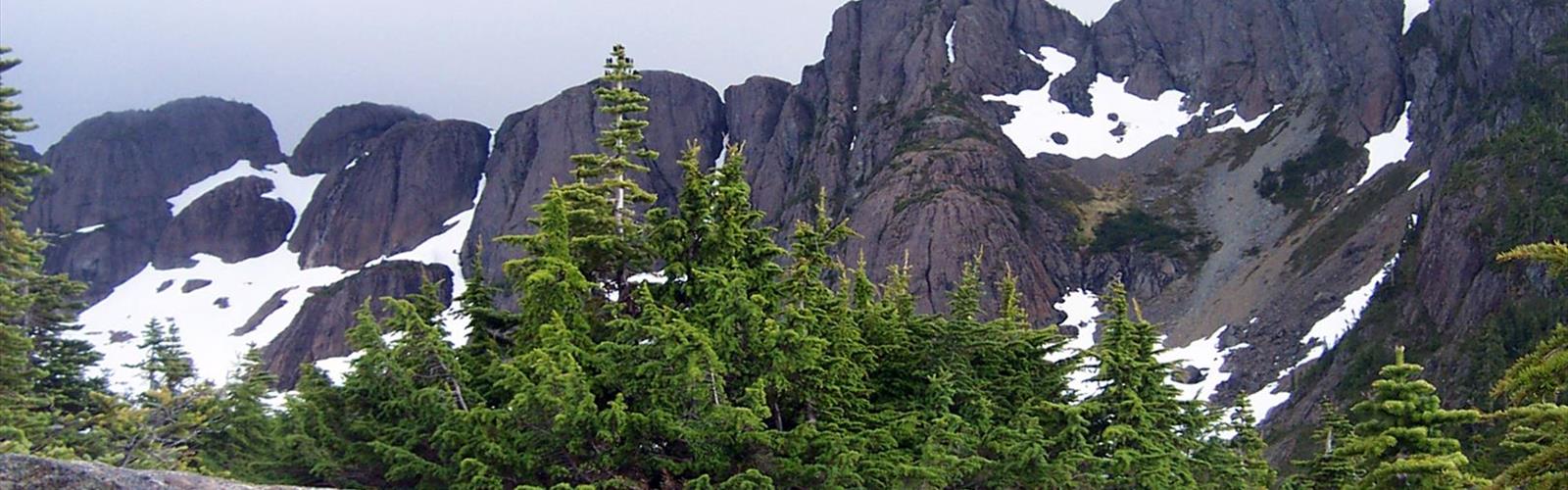
Mount Arrowsmith commands the skyline of southern Vancouver Island as its highest peak, rising 1,819 meters above sea level. This prominent mountain draws hikers from across the Pacific Northwest with its challenging 11-kilometer summit route, 1,400 meters of elevation gain, and expansive views that stretch from the island's interior to the Pacific Ocean. The demanding 6.5-hour round trip makes this one of the island's most rewarding alpine adventures.
The mountain's appeal lies in its variety of hiking experiences. You can tackle the demanding summit route for serious alpine adventure, or explore gentler lower-elevation trails that wind through some of the island's most impressive old-growth forests. Each option offers distinct rewards, making Mount Arrowsmith accessible to different skill levels and hiking goals.
The Judges Route to the Summit
The Judges Route represents the primary path to Mount Arrowsmith's summit and delivers one of Vancouver Island's most challenging hiking experiences. This hard-rated trail begins in dense coastal forest, where you'll navigate through towering Douglas firs and western red cedars that create a cathedral-like canopy overhead. The initial sections involve steady climbing through this lush forest environment, with the trail occasionally crossing small creeks and rocky sections that hint at the technical terrain ahead.
As you gain elevation through the first few kilometers, the forest gradually transitions to subalpine terrain. The trees become smaller and more scattered, opening up sight lines that offer your first glimpses of the surrounding landscape. This middle section of the climb presents some of the route's most technical challenges, including scrambling over rocky outcrops and navigating steeper grades that demand good fitness, sure footing, and basic mountaineering skills.
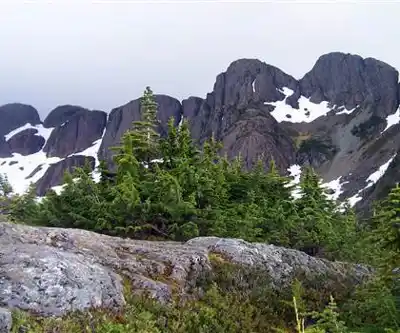
The final approach to the summit takes you into true alpine territory where the landscape opens dramatically. Here you'll encounter the mountain's characteristic rocky slopes and seasonal snow patches that can persist well into summer. The terrain becomes increasingly exposed, requiring careful route-finding and scrambling techniques. Weather conditions can change rapidly at this elevation, with temperatures dropping significantly even during warm valley days.
On clear days, the summit provides panoramic views across Vancouver Island's mountainous spine, with glimpses of the Strait of Georgia to the east and the Pacific Ocean to the west. Nearby peaks like Mount Cokely and the Beaufort Range create an impressive mountain panorama that makes the challenging ascent worthwhile. The summit experience feels genuinely alpine, a rare treat on an island known more for coastal forests than high peaks.
Lower Elevation Alternatives
For those seeking a more relaxed mountain experience, the areas around Cameron Lake and Cathedral Grove offer excellent alternatives. These locations provide access to Mount Arrowsmith's lower slopes without the physical demands and technical challenges of the summit route.
Cameron Lake sits at the mountain's base and serves as a popular starting point for various trail options. The lake itself offers peaceful shoreline walks with mountain reflections and opportunities to spot waterfowl in a serene alpine setting. Several trails branch out from the lake area, leading into the surrounding forest where you can experience the mountain's ecosystem without committing to a full summit attempt. These lower routes showcase the same impressive coastal forest environment that characterizes the early sections of the Judges Route.
Cathedral Grove, located along the route to Mount Arrowsmith, preserves some of Vancouver Island's most impressive old-growth forest. Walking among these ancient Douglas firs and western red cedars provides perspective on the region's natural history and the scale of coastal forest ecosystems. Some of these giants have stood for over 800 years, creating a living museum of coastal forest ecology. The grove's well-maintained trails make it accessible for families and those looking for a gentler introduction to the area's natural beauty without the commitment required for mountain hiking.
Wildlife and Natural Features
Mount Arrowsmith supports diverse wildlife populations across its distinct elevation zones. Black-tailed deer are commonly spotted in the mountain's meadows and forest clearings, particularly during early morning and evening hours when they emerge to feed. The varied forest habitats attract numerous bird species, from the deep forest calls of varied thrushes echoing through the lower canopy to the high-pitched songs of golden-crowned kinglets in the upper reaches.
The mountain's plant communities change dramatically with elevation, creating distinct ecological zones that hikers experience during the ascent. Lower slopes feature the classic coastal forest mix of Douglas fir, western hemlock, and western red cedar, with an understory of salal, Oregon grape, and sword ferns creating the lush green carpet typical of Pacific Northwest forests. As you climb higher, you'll encounter mountain hemlock and subalpine fir, species specifically adapted to the harsher conditions, shorter growing seasons, and increased exposure of higher elevations.
During spring and summer months, the mountain's meadows and open slopes burst with wildflower displays that add color to the rocky alpine terrain. Lupines, Indian paintbrush, and mountain asters create vibrant patches against the grey stone and green vegetation. These seasonal blooms typically peak in July and August, coinciding with the best weather windows for summit attempts and creating some of the most photogenic hiking conditions on the island.
Planning Your Mountain Adventure
Weather conditions on Mount Arrowsmith can change rapidly, particularly at higher elevations where the summit route ventures into true alpine terrain. Even during summer months, temperatures drop significantly as you gain altitude, and sudden weather changes can bring rain, wind, or even snow to the summit area. Check current weather forecasts and mountain conditions before attempting the Judges Route, and be prepared for conditions drastically different from those at sea level.
For summit attempts, start early in the day to allow adequate time for the challenging ascent and equally demanding descent. The route's hard difficulty rating reflects both the physical demands of the elevation gain and the technical nature of the upper sections. Proper hiking boots with ankle support are essential, along with basic mountaineering skills for the scrambling sections near the summit. Bring layers of clothing, reliable rain protection, plenty of water, and high-energy food to fuel the demanding climb.
The mountain's popularity means you'll likely encounter other hikers, especially on weekends during summer months when conditions are most favorable. The trail can become crowded, so consider visiting during weekdays or shoulder seasons for a more solitary mountain experience and better wildlife viewing opportunities.
Respect for the natural environment is crucial when visiting Mount Arrowsmith. Follow Leave No Trace principles by packing out all trash, staying on established trails, and avoiding damage to vegetation. The mountain's ecosystems are particularly fragile in the alpine zones where plants grow slowly and recover slowly from disturbance, making every step count in preserving this remarkable landscape.
The Essential Hiking Checklist
Everything you need for your next hike. Bilingual, printable, 1 page.
Get your free hiking checklistRecommended gear for this trail
As an Amazon Associate I earn from qualifying purchases.


Ready to go?
Everything you need to know before you goStarting Point
The mount arrowsmith trails are located in the mount arrowsmith Provincial Park, which is about a 2-hour drive from Victoria, British Columbia. To get to the park, take Highway 1 to Parksville, and then follow the signs to the park.
When?
How much?
As an Amazon Associate I earn from qualifying purchases.
Affiliate links — LGPO may earn a commission at no extra cost to you.
- Hiking shoes Essential
- → Salomon Elixir Tour Mid WP · 203.38 $
- Layered clothing Essential
- Rain jacket Essential
- Trekking poles
- → Black Diamond Trail Ergo Cork · 69.99 $
- Headlamp
- → Petzl Actik Core 625 · 103.95 $
FAQ - Frequently asked questions
Everything you need to knowSimilar hikes nearby
Discover other trails you might enjoy
Sandbar Trail
Vancouver Island
Old Baldy Mountain Trail
Vancouver Island
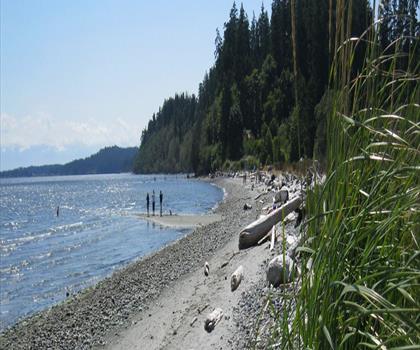
Wittys Lagoon
Vancouver Island

Mount Cain
Vancouver Island
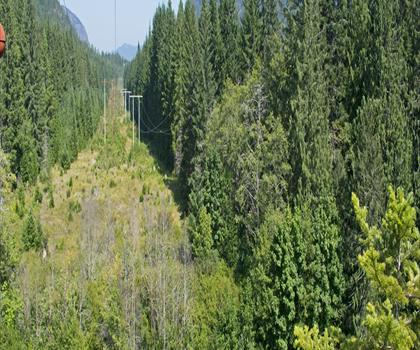
Kings Peak
Vancouver Island
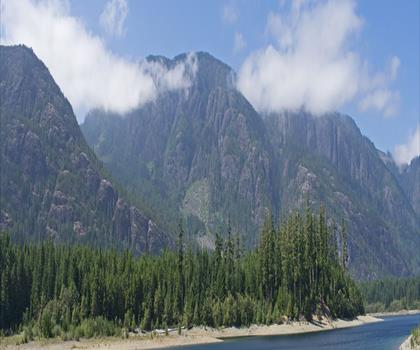
Buttle Lake
Vancouver Island
Hiking near Nanaimo
212 trails to explore ~48 km away
We work hard to provide the most up-to-date and error-free data possible. If something seems incorrect, let us know! Your contribution helps the whole community.
Hikers' opinions
Be the first to review!
No hiker has shared their experience yet. Share your impressions and help other hikers!