
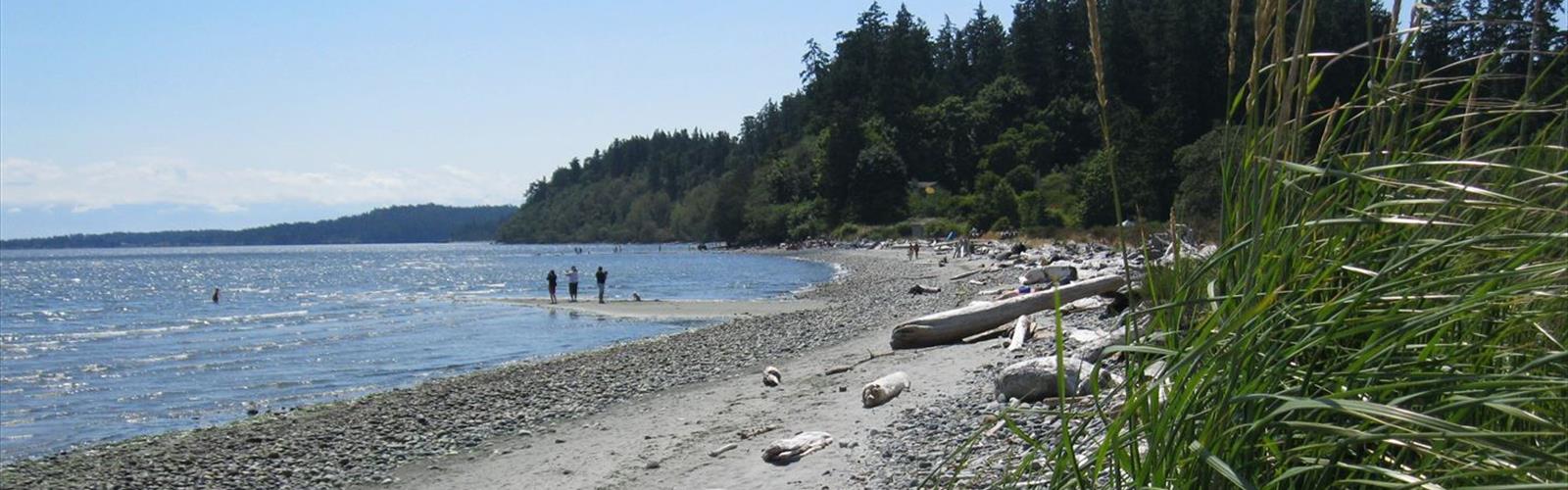

Ready to explore Wittys Lagoon? Here's everything you need to know before you go!
Discover the trail
Trail description
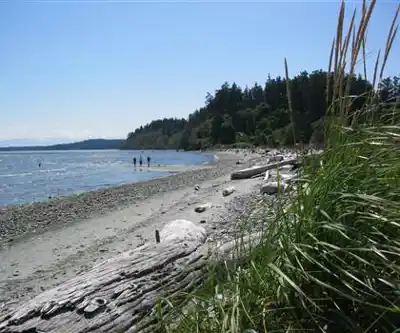
Witty's Lagoon Regional Park sits on the southwestern tip of Vancouver Island, just 20 minutes from downtown Victoria. This 56-hectare coastal park combines sheltered lagoon waters, dense Pacific Northwest forest, and rugged shoreline into one of the region's most accessible and rewarding hiking destinations. The park's network of interconnected trails offers everything from gentle waterfront strolls to more substantial forest walks, making it equally appealing for families with young children and hikers seeking a solid workout.
Trail Network and What to Expect
The park's trail system spans approximately 22 kilometers when all routes are combined, with minimal elevation gain of just 40 meters spread across the entire network. Don't let the easy rating fool you though – the 5.5-hour duration reflects the sheer variety of terrain and the irresistible urge to stop frequently for wildlife watching and photography. Most visitors find themselves lingering far longer than planned, drawn by the constantly changing scenery and abundant wildlife.
The Beach Trail forms the park's most popular route, following the sandy shoreline of the lagoon before continuing along the rocky outer coast. This wide, well-maintained path requires no technical hiking skills and remains accessible year-round. The trail surface alternates between packed sand, wooden boardwalks over sensitive wetland areas, and gravel sections through the forest. Families with strollers can navigate most of the Beach Trail, though some sections near the rocky coastline become more challenging.
For a more immersive forest experience, the Bilston Creek Trail penetrates deeper into the park's interior, winding through towering Douglas fir and western red cedar. This trail follows the creek upstream toward Sitting Lady Falls, crossing several small wooden bridges and passing through dense understory of salal, Oregon grape, and sword ferns. The path here is narrower and can become muddy during Vancouver Island's wet season from October through March, but the forest atmosphere more than compensates for any minor inconveniences.
Sitting Lady Falls and the Lagoon Ecosystem
Sitting Lady Falls serves as the park's signature landmark, a 15-meter cascade that tumbles over sandstone cliffs into the lagoon below. The waterfall flows strongest during winter and spring months, though it maintains a steady flow even during summer's drier periods. A viewing platform near the base provides excellent photo opportunities and a peaceful spot to observe the falls' interaction with the tidal lagoon.
The lagoon itself creates a unique ecosystem where fresh water from Bilston Creek meets saltwater from the Strait of Juan de Fuca. This mixing zone supports an unusually diverse range of plant and animal life. During high tide, the lagoon fills completely, creating a mirror-like surface that reflects the surrounding forest. At low tide, extensive mudflats emerge, revealing the feeding grounds that attract the park's abundant bird populations. Understanding the tidal schedule enhances any visit – low tide offers the best wildlife viewing, while high tide provides the most dramatic scenery.
Wildlife and Birdwatching Opportunities
Witty's Lagoon ranks among Vancouver Island's premier birdwatching locations, with over 160 species recorded within the park boundaries. The diverse habitats support different bird communities throughout the year, making every visit unique. Great blue herons stalk the shallow waters year-round, while belted kingfishers dive for small fish from overhanging branches. Bald eagles nest in the tall conifers and can often be seen soaring overhead or perched prominently along the shoreline.
During spring and fall migration periods, the lagoon becomes a crucial stopover point for waterfowl, shorebirds, and songbirds. Mallards, pintails, and teal gather in large numbers, while sandpipers and plovers work the mudflats during low tide. Winter brings different species, including various gull species, cormorants, and occasional visits from trumpeter swans.
Marine mammals also frequent the area, particularly in the deeper waters beyond the lagoon mouth. Harbor seals haul out on the rocky points during low tide, and river otters occasionally venture into the lagoon itself. Orca whales pass through the nearby waters during summer months, though sightings from shore remain relatively uncommon. Bringing binoculars significantly enhances wildlife viewing opportunities throughout the park.
Coastal Features and Geological Highlights
Beyond the protected lagoon, the park's outer coastline showcases the dramatic meeting point between land and sea that defines much of southern Vancouver Island. Wave-carved sandstone formations create tide pools rich with marine life, including sea anemones, hermit crabs, and various species of seaweed. The rocky intertidal zone extends several hundred meters offshore during extreme low tides, revealing a complex underwater landscape normally hidden beneath the waves.
The park's geology tells the story of ancient sea floors uplifted and carved by millennia of wave action. Fossil enthusiasts can spot marine fossils embedded in the sandstone cliffs, remnants of creatures that lived here millions of years ago when this area lay beneath a warm, shallow sea. These geological features add an educational dimension that makes Witty's Lagoon particularly appealing for families and anyone interested in natural history.
Practical Considerations and Visitor Information
Witty's Lagoon Regional Park provides ample parking in a paved lot near the main trailhead, though spaces fill quickly on sunny weekends during summer months. Arriving early in the day or visiting during weekdays ensures easier parking and a more peaceful experience. The park includes washroom facilities, picnic tables, and interpretive signs explaining the area's natural and cultural history. No entrance fees apply, and the park remains open from dawn to dusk year-round.
Dogs are welcome throughout the park but must remain on leash at all times to protect sensitive wildlife habitats. The park's popularity with families means encounters with children and other dogs are common, particularly on weekends. Well-socialized dogs will find plenty of interesting scents and sights to explore along the varied trail network.
Weather conditions can change rapidly along this exposed coastline, so visitors should dress in layers and bring rain gear even during apparently clear conditions. The combination of ocean proximity and forest cover creates a microclimate that often differs significantly from conditions in nearby Victoria. Sturdy footwear with good traction is recommended, as wooden boardwalks and rocky sections can become slippery when wet.
The Essential Hiking Checklist
Everything you need for your next hike. Bilingual, printable, 1 page.
Get your free hiking checklistRecommended gear for this trail
As an Amazon Associate I earn from qualifying purchases.


Ready to go?
Everything you need to know before you goStarting Point
The wittys lagoon trailhead is located on the east side of the Upper Pitt River, approximately 5 km north of the town of Pitt Meadows. To get there, take Highway 7 (Lougheed Highway) to the town of Pitt Meadows. Turn left (north) onto Harris Road and drive for approximately 5 km until you reach the Upper Pitt River. The trailhead is located on the east side of the river.
When?
How much?
As an Amazon Associate I earn from qualifying purchases.
Affiliate links — LGPO may earn a commission at no extra cost to you.
- Hiking shoes Essential
- → Salomon Elixir Tour Mid WP · 203.38 $
- Layered clothing Essential
- Rain jacket Essential
- Trekking poles
- → Black Diamond Trail Ergo Cork · 69.99 $
- Headlamp
- → Petzl Actik Core 625 · 103.95 $
FAQ - Frequently asked questions
Everything you need to knowSimilar hikes nearby
Discover other trails you might enjoy
Sandbar Trail
Vancouver Island
Old Baldy Mountain Trail
Vancouver Island

Mount Cain
Vancouver Island
Kings Peak
Vancouver Island
Buttle Lake
Vancouver Island
Mount Prevost
Vancouver Island
Hiking near Victoria
93 trails to explore ~13 km away
We work hard to provide the most up-to-date and error-free data possible. If something seems incorrect, let us know! Your contribution helps the whole community.
Hikers' opinions
Be the first to review!
No hiker has shared their experience yet. Share your impressions and help other hikers!