


Ready to explore Parc National des Grands Jardins? Here's everything you need to know before you go!
Discover the trail
Available trails
| TrailTrails | Dist.Distance | GainElevation | TimeDuration | Difficulty | GPX |
|---|---|---|---|---|---|
|
Beginner
|
11 km | — | 2h30 | Beginner | |
|
Beginner
|
1.8 km | — | 24min | Beginner | |
|
Beginner
|
1.6 km | — | 21min | Beginner | |
|
Beginner
|
6.8 km | — | 1h30 | Beginner | |
|
Intermediate
|
2.3 km | 250 m | 54min | Intermediate | |
|
Intermediate
|
1.7 km | — | 23min | Intermediate | |
|
Intermediate
|
17 km | — | 4h | Intermediate | |
|
Intermediate
|
2.5 km | — | 33min | Intermediate | |
|
Advanced
|
4.3 km | 480 m | 2h | Advanced | |
|
Advanced
|
4 km | — | 53min | Advanced |
Trail description
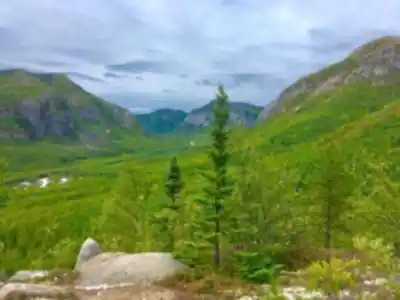
Parc National des Grands-Jardins protects 310 square kilometers of pristine wilderness in the Charlevoix region, established in 1981 specifically to preserve critical caribou habitat and the unique tundra ecosystem that defines this remarkable landscape. The park's mountainous terrain features several peaks exceeding 1,000 meters, creating a dramatic backdrop that showcases some of Quebec's most diverse vegetation zones within a relatively compact area.
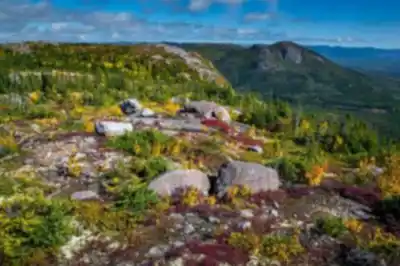
What sets Grands-Jardins apart from other Quebec parks is its extraordinary botanical diversity. You'll encounter five distinct vegetation zones as you explore: dense boreal and coniferous forests in the lower elevations, mixed deciduous woodlands, hardy subarctic species, alpine vegetation clinging to exposed ridges, and genuine tundra conditions on the higher peaks. This variety means that a single day of hiking can feel like traveling from southern Quebec to the Arctic, with the plant communities changing dramatically as you gain elevation.
Mount Swan Lake Trail
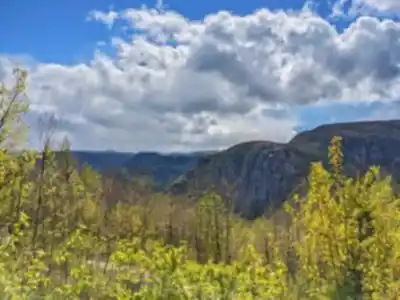
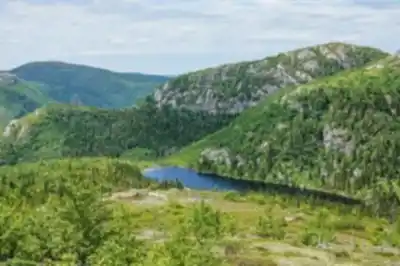
The signature hike in Grands-Jardins leads to Mount Swan Lake, reaching an elevation of 980 meters. This challenging ascent rewards hikers with one of the most spectacular viewpoints in eastern Quebec. From the summit, you'll take in sweeping views of the St. Lawrence River stretching toward the horizon, the dramatic Charlevoix crater that shaped this entire region, the deep chasm valley cutting through the landscape below, and the surrounding peaks that define the park's rugged character.
The trail to Mount Swan Lake demands respect, particularly during winter conditions when snow and ice can make the climb significantly more difficult and potentially dangerous. The route traverses varied terrain, starting in dense forest before emerging into increasingly open alpine environments. As you climb higher, the vegetation becomes noticeably sparser and more specialized, adapted to the harsh conditions of this subarctic environment.
Chouenne Trail
For a different perspective on the park's mountain landscape, the Chouenne Trail leads to a 730-meter peak that offers its own compelling rewards. This newer addition to the park's trail system provides a complete 360-degree panoramic view of the mountainous hinterland, allowing you to appreciate the full scope of this wilderness area. The Chouenne summit gives you a sense of being surrounded by endless peaks and valleys, emphasizing just how vast and wild this region remains.
The trail showcases the transition from lower-elevation forests to the exposed, windswept conditions of the higher elevations. You'll notice how the trees become progressively smaller and more gnarled as you climb, eventually giving way to the low-growing shrubs and hardy perennials that characterize the park's tundra zones.
Terrain and Trail Experience
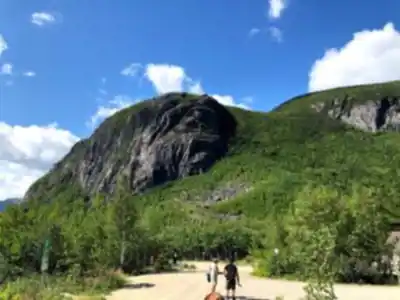
The park's trail network accommodates different skill levels, though most routes involve significant elevation gain. Rocky outcrops and exposed granite surfaces become more common as you climb higher, requiring careful footing and attention to trail markers. The terrain shifts from soft forest floor to increasingly rugged mountain conditions, with loose rocks and steep sections that demand proper hiking boots and trekking poles.
Weather conditions can shift rapidly due to the elevation changes and exposed ridgelines. Morning fog often blankets the lower valleys while the peaks remain clear, creating dramatic layered views as you ascend. The wind picks up considerably on the higher trails, and temperatures can drop unexpectedly even during summer months.
Wildlife and Ecosystem
The park's primary conservation mission focuses on protecting caribou habitat, and these magnificent animals represent the flagship species of this ecosystem. The caribou here depend on the extensive lichen beds that carpet much of the park's tundra areas, particularly the slow-growing reindeer lichens that can take decades to recover from disturbance. This relationship between the caribou and their specialized food sources helps explain why this landscape looks and feels so different from typical southern Quebec forests.
The tundra environment supports a unique community of plants and animals adapted to short growing seasons, intense UV exposure, and dramatic temperature fluctuations. You'll encounter species more commonly found hundreds of kilometers to the north, making Grands-Jardins an accessible window into Canada's Arctic ecosystems. Black bears also inhabit the park's forested areas, along with various bird species that take advantage of the diverse elevation zones.
What Makes This Place Special
Grands-Jardins stands out in the Charlevoix region for its authentic tundra experience at a relatively accessible latitude. While other parks in the area offer beautiful mountain scenery, few provide this genuine taste of subarctic conditions. The lichen-covered plateaus and windswept summits create an otherworldly atmosphere that feels remarkably remote despite being within reach of major population centers.
The geological story here connects to the massive Charlevoix impact crater, one of the largest verified impact structures on Earth. This ancient collision shaped the entire regional landscape, creating the unique topography that allows tundra conditions to exist so far south. Walking these trails means experiencing the long-term effects of one of the most significant geological events in Quebec's history.
Planning Your Visit
The park's elevation and northern character mean that weather conditions can change rapidly and be more severe than you might expect for the latitude. Even in summer, temperatures on the peaks can be surprisingly cool, and the exposed nature of many trails means you'll feel the full force of any wind. Layer your clothing and bring extra insulation, even on seemingly mild days.
Winter hiking in Grands-Jardins requires serious preparation and experience. The combination of elevation, exposure, and often fierce winds creates conditions that can quickly become dangerous for unprepared hikers. If you're planning a winter ascent of Mount Swan Lake or other high peaks, ensure you have appropriate cold-weather gear, navigation tools, and emergency supplies.
The park's location in Charlevoix makes it accessible as a day trip from Quebec City or as part of a longer exploration of this scenic region. The diverse trail options mean you can choose routes that match your fitness level and time constraints, though the most rewarding viewpoints do require significant elevation gain and physical effort.
Spring and fall offer particularly interesting hiking conditions, as the dramatic elevation changes within the park create an extended season of changing colors and conditions. You might find spring flowers blooming in the lower valleys while snow still caps the highest peaks, or experience the full spectrum of autumn colors as different elevation zones peak at different times throughout the season.
Services and amenities
This information may vary by season.
Recommended gear for this trail
As an Amazon Associate I earn from qualifying purchases.


Ready to go?
Everything you need to know before you goWhen?
How much?
As an Amazon Associate I earn from qualifying purchases.
Affiliate links — LGPO may earn a commission at no extra cost to you.
- Hiking shoes Essential
- → Salomon Elixir Tour Mid WP · 203.38 $
- Layered clothing Essential
- Rain jacket Essential
- Trekking poles
- → Black Diamond Trail Ergo Cork · 69.99 $
- Headlamp
- → Petzl Actik Core 625 · 103.95 $
FAQ - Frequently asked questions
Everything you need to know
25 hikes under 2 hours from Montreal
Distance, elevation, parking and season for each one. The ones we go back to ourselves.
Get the guideSimilar hikes nearby
Discover other trails you might enjoy

Mont Du Lac Des Cygnes
Charlevoix

Parc National Des Hautes-gorges-de-la-rivière-malbaie
Charlevoix

Mount Morrios
Charlevoix

Sentiers Pédestres Les Éboulements
Charlevoix

Sentier Des Caps De Charlevoix
Charlevoix

Mont du Dôme
Charlevoix
Hiking near Quebec City
40 trails to explore ~105 km away
We work hard to provide the most up-to-date and error-free data possible. If something seems incorrect, let us know! Your contribution helps the whole community.
Hikers' opinions
Be the first to review!
No hiker has shared their experience yet. Share your impressions and help other hikers!