

Ready to explore Centre D'interprétation Du Cerf De Virginie? Here's everything you need to know before you go!
Discover the trail
Oh no! We don't have any photos 😢
This trail hasn't been captured yet. Be the first to share your adventure!Trail description
The Centre D'interprétation Du Cerf De Virginie is one of those spots in the Outaouais region that rewards people who like their hikes to mean something beyond the mileage. It's built around a single, well-chosen subject—the white-tailed deer—and that focus shapes everything about a visit here, from the trails themselves to the exhibits waiting for you at the centre. Close enough to Gatineau for a relaxed day trip, it still manages to feel genuinely removed from city noise once you're out on the paths.
What makes this place different
Most trail destinations ask you to bring your own context. This one provides it. The interpretive centre is designed to explain white-tailed deer—their behavior, diet, and seasonal life cycle—in a way that's accessible whether you're a seasoned naturalist or someone who's never thought much about what deer actually do all day. The staff are approachable, the exhibits are practical rather than academic, and the whole setup is oriented toward helping you understand what you're about to walk through.
That pairing of indoor learning and outdoor application is what sets this destination apart. You pick up something at the exhibits—why deer favor certain forest edges, which plants they browse, how to read the signs they leave behind—and then you step outside and immediately have a reason to look more carefully at the terrain around you. It changes the quality of attention you bring to the walk.
The trail
The main route runs 3.2 km with about 180 m of elevation gain, rated moderate, and typically takes around 1h30 to complete. That's a solid half-day outing when you factor in time at the centre and the natural tendency to slow down when you're actively watching for wildlife.
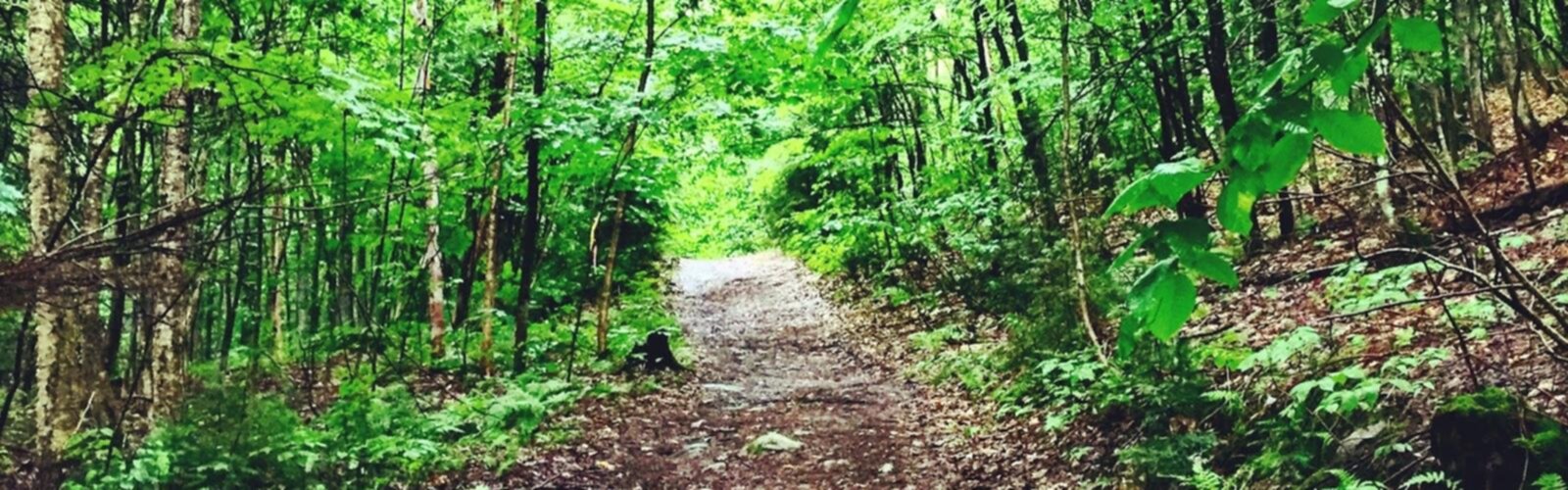
The trails move through a mix of forest and open meadows, and that variety is one of the genuine highlights of the walk. In the wooded sections, the canopy closes in, the temperature drops a few degrees, and your sightlines tighten—which actually makes it easier to notice movement nearby. Then the trail opens into meadow, the light broadens, and you get longer views across the kind of habitat that deer use heavily, especially near dawn and dusk. The transitions between these two environments are worth pausing at: they're where wildlife tends to concentrate.
The 180 m of elevation means you'll feel some sustained climbing in places. It's not relentless, but it's enough that you'll notice it, especially if you're stopping frequently to scan the treeline or read interpretive panels along the way. Comfortable hiking footwear with decent grip is the right call. The trails themselves are well-maintained, so the challenge comes from the terrain rather than from rough or overgrown paths.
Wildlife and what to watch for
White-tailed deer are the obvious draw, and the habitat here is genuinely suited to them. They can be surprisingly quiet when they move, so the best strategy is to slow your own pace, pause at meadow edges, and watch ahead rather than at your feet. A deer feeding near the tree line or crossing a trail opening can appear and disappear quickly, and the people who spot them most often are the ones who aren't in a hurry.
Beyond deer, the forest-and-meadow terrain supports a broader mix of wildlife. The simple act of walking softly and stopping often—habits the interpretive centre actively encourages—tends to reveal more than most visitors expect. You don't need to be an experienced naturalist to get something out of it; you just need to be willing to look.
Flexibility for different hikers
The trail network here isn't locked into a single route. There are options ranging from leisurely strolls to more demanding hikes, which makes the destination work for a wider range of people. If you're visiting with someone who wants a shorter, flatter walk, you can keep things easy and spend more time at the exhibits. If you want more effort and more ground covered, you can push toward the routes with more elevation and distance.
That flexibility also makes it easier to adjust your day based on conditions. Perfect weather and good energy? Prioritize the trails. Rainy morning or a slower start? Spend more time inside with the exhibits and do a shorter loop when things clear up. Either approach still gives you the full interpretive experience, because the centre and the trails are designed to complement each other rather than compete.
Planning your visit
The Centre D'interprétation Du Cerf De Virginie is a short drive from Gatineau, which makes it practical as a day trip without requiring an early start or a long commitment. Because it's close and the experience is genuinely repeatable—deer behavior and habitat look different across seasons—it also works well as a destination you return to rather than check off once.
Bring footwear you trust on uneven ground, since the elevation gain means you'll want stable footing on the climbs. Pack water and whatever you'd normally carry for a moderate 1h30 hike. And arrive with a bit of extra time built in—the interpretive centre is worth more than a five-minute glance, and the trails reward the kind of pace that leaves room for stopping when something catches your attention.
The Essential Hiking Checklist
Everything you need for your next hike. Bilingual, printable, 1 page.
Get your free hiking checklistRecommended gear for this trail
As an Amazon Associate I earn from qualifying purchases.


Ready to go?
Everything you need to know before you goStarting Point
To access the hiking trails, head to the main trailhead located at 840 Chem. du Vieux-Pont, Denholm, QC J8N 9P4. This is the primary starting point for visitors looking to explore the area.
When?
Tuesday: 9:00 AM – 5:00 PM
Wednesday: 9:00 AM – 5:00 PM
Thursday: 9:00 AM – 5:00 PM
Friday: 9:00 AM – 5:00 PM
Saturday: 9:00 AM – 5:00 PM
Sunday: 9:00 AM – 5:00 PM
How much?
As an Amazon Associate I earn from qualifying purchases.
Affiliate links — LGPO may earn a commission at no extra cost to you.
- Hiking shoes Essential
- → Salomon Elixir Tour Mid WP · 203.38 $
- Layered clothing Essential
- Rain jacket Essential
- Trekking poles
- → Black Diamond Trail Ergo Cork · 69.99 $
- Headlamp
- → Petzl Actik Core 625 · 103.95 $
FAQ - Frequently asked questions
Everything you need to knowSimilar hikes nearby
Discover other trails you might enjoy

Parc Des Chutes Coulonge
Outaouais

Parc De La Gatineau
Outaouais

Centre Touristique Du Lac-simon
Outaouais

Parc Du Lac-beauchamp
Outaouais

Parc Omega
Outaouais

Arbraska Laflèche
Outaouais
Hiking near Gatineau
48 trails to explore ~92 km away
We work hard to provide the most up-to-date and error-free data possible. If something seems incorrect, let us know! Your contribution helps the whole community.
Hikers' opinions
Be the first to review!
No hiker has shared their experience yet. Share your impressions and help other hikers!