What are the best hiking trails in Eastern Nevada?
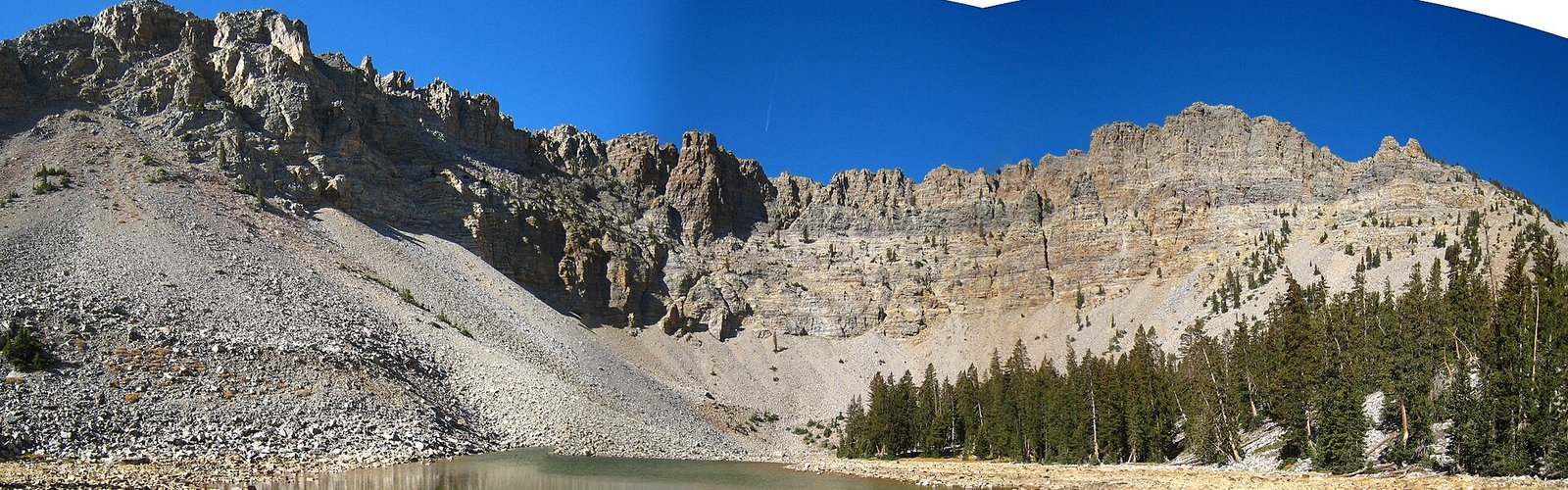
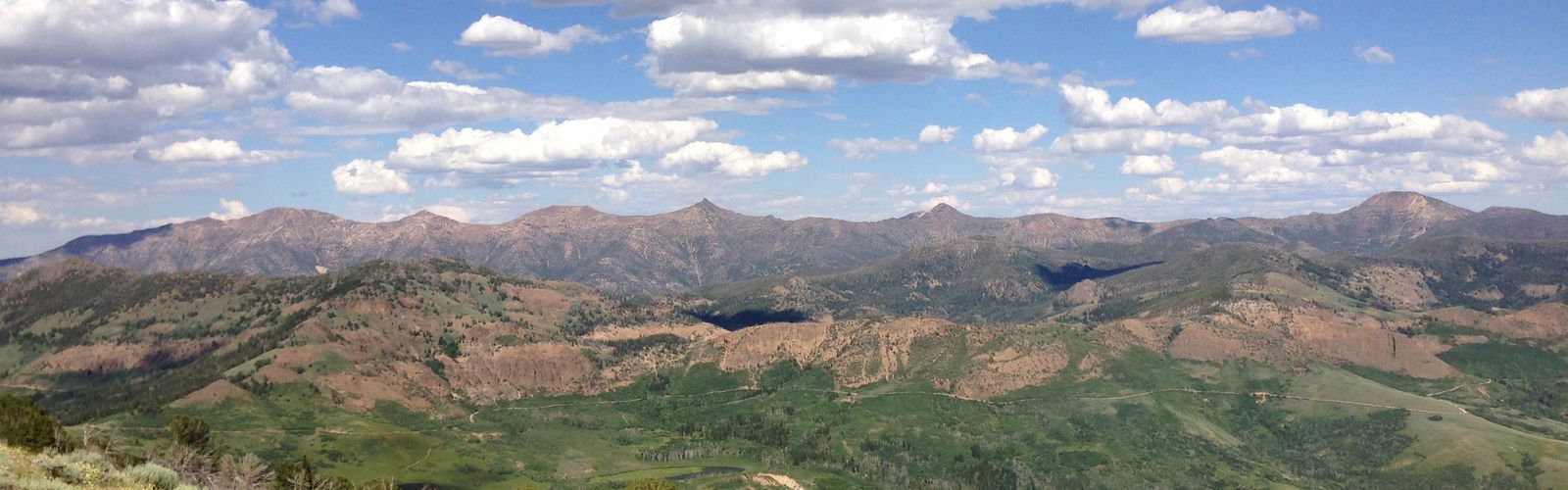
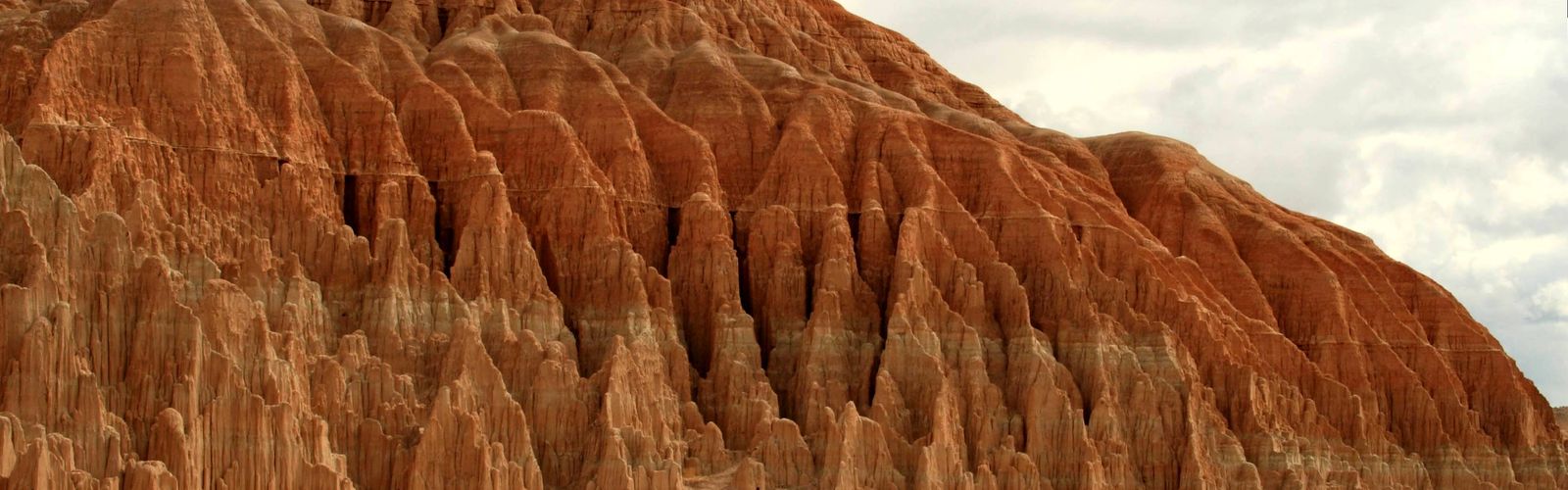
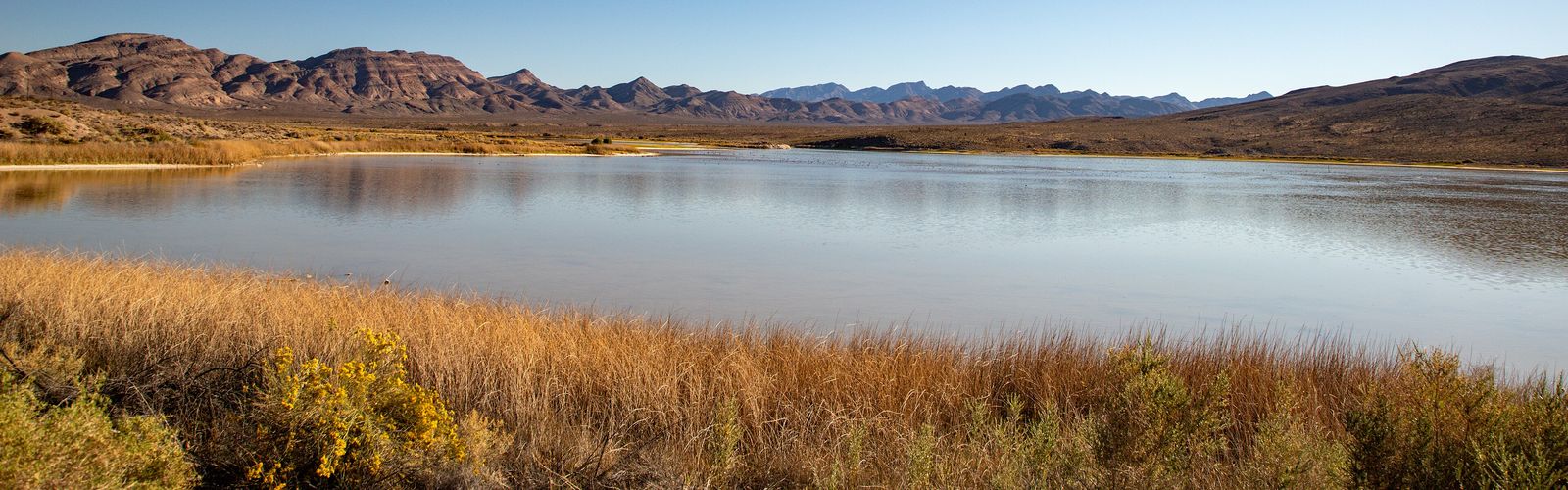
Eastern Nevada offers exceptional hiking opportunities with trails ranging from desert landscapes to alpine environments. Popular destinations include Great Basin National Park with its bristlecone pine groves and Lehman Caves area, Ruby Mountains for alpine hiking, and Valley of Fire State Park for unique rock formations. The region provides diverse terrain from high desert to mountain peaks exceeding 11,000 feet.
What is the best season for hiking in Eastern Nevada?
Spring (April-May) and fall (September-October) are the best seasons for hiking in Eastern Nevada due to moderate temperatures and clear skies. Summer can be extremely hot in lower elevations but suitable for high-altitude trails, while winter brings snow to mountain areas making some trails inaccessible. Always check weather conditions as desert areas can experience sudden temperature changes.
Is Eastern Nevada good for beginner hikers?
Eastern Nevada offers excellent options for beginner hikers with numerous easy to moderate trails. Many state parks feature well-maintained paths with clear signage and shorter distances perfect for newcomers. However, beginners should be prepared for desert conditions, carry plenty of water, and start with lower elevation trails before attempting mountain hikes.
Are there free hiking trails in Eastern Nevada?
Yes, Eastern Nevada has many free hiking trails on public lands managed by the Bureau of Land Management and Forest Service. While some state parks and Great Basin National Park charge entrance fees, numerous wilderness areas and national forest trails are completely free to access. Popular free options include many Ruby Mountains trailheads and BLM desert trails.
What outdoor activities can you do in Eastern Nevada?
Eastern Nevada offers diverse outdoor activities beyond hiking including rock climbing, camping, stargazing, wildlife viewing, and photography. The region is renowned for some of the darkest skies in the country, making it ideal for astronomy. Other popular activities include fishing in alpine lakes, exploring caves, and off-road driving in designated areas.
Do you need a map for hiking in Eastern Nevada?
Yes, carrying a map and compass is highly recommended for hiking in Eastern Nevada due to remote locations and limited cell service. Many trails are in wilderness areas where GPS signals can be unreliable and getting lost poses serious safety risks. Topographic maps, GPS devices with downloaded maps, and informing others of your hiking plans are essential safety practices in this vast, sparsely populated region.