


Ready to explore Porcupine Hills Provincial Park? Here's everything you need to know before you go!
Discover the trail
Oh no! We don't have any photos 😢
This trail hasn't been captured yet. Be the first to share your adventure!Trail description
Description
Porcupine Hills Provincial Park sits in Manitoba's Duck Mountain Area, where the landscape does something you don't expect from the prairies — it actually rolls, climbs, and surprises you. This isn't flat farmland hiking. The park delivers genuine elevation change, dense boreal forest, and enough trail variety to keep things interesting whether you're out for a quick afternoon or a full day of exploration.
The main hiking route covers around 8 kilometers with about 300 meters of elevation gain, which puts it squarely in moderate territory. Plan for roughly two and a half hours of moving time, though most people end up taking longer once they start stopping for views and wildlife. The terrain earns that moderate rating honestly — it's not technical, but the climbs are real and the footing through rooted forest sections keeps you paying attention.
What the Trail Actually Feels Like
You'll start in thick stands of aspen and birch, where the canopy closes overhead and the forest floor stays cool and shaded. The light filters down in patches, and the trail winds through root systems and occasional rocky stretches that add some texture to the walking. It's the kind of forest hiking where you're always slightly curious about what's just ahead.
As you gain elevation, the trees thin out and the character of the hike shifts. The ridgelines open up, the wind picks up, and suddenly you've got expansive views across the surrounding countryside. That transition — from enclosed forest to open ridge — is one of the better payoffs in the Duck Mountain Area. The 300 meters of vertical relief creates genuine microclimates along the way, so you might move through a cool, moist valley and then cross a sun-exposed ridge within the same hour of hiking.
The trails are well-maintained and clearly marked throughout. You'll encounter overlooks, small streams, and quiet ponds that sit in natural hollows between the hills. These water features make good rest stops and tend to concentrate wildlife activity, so it's worth slowing down when you reach them.
Wildlife and Natural Features
Wildlife viewing is one of the genuine strengths of this park. White-tailed deer are common, especially during early morning and evening hours when they move through the forest edges. Red foxes show up occasionally along the trail margins. The bird life is diverse — songbirds work the forest understory while raptors use the thermals above the ridgelines, and the wetland areas attract waterfowl throughout the warmer months.
The ecological variety here comes directly from that elevation change. Different moisture levels and exposures support distinct plant communities, so the forest composition shifts noticeably as you move through the park. This is the kind of place where you'll notice something different on a second or third visit — a flowering shrub you walked past before, or a bird species working a section of trail you hadn't paid close attention to.
Camping and Extended Stays
The park has camping options for anyone wanting more than a day visit. Staying overnight gives you access to the trails during early morning and late evening — the hours when wildlife is most active and the light is best for photography. The park's distance from urban centers means the night sky is genuinely dark, which makes for good stargazing once you've settled in for the evening.
Other Activities
Hiking is the main draw, but the park's lakes add other options. The water is calm enough for canoeing, and fishing is available for those who want to mix a slower activity into the day. Picnic areas near the water work well as a midday break point, and the combination of trail hiking and water access makes the park a reasonable choice for groups where not everyone wants the same level of exertion.
Getting There and Planning Your Day
Porcupine Hills Provincial Park is located in the Duck Mountain Area of Manitoba, accessible from several communities in the region. The park feels genuinely remote once you're on the trails, even though it's within reach of nearby towns. The 8-kilometer route with 300 meters of gain is a solid half-day commitment — bring enough water, wear layers for the ridge sections, and give yourself time to stop at the viewpoints rather than pushing straight through.
The trail network is extensive enough that you can vary your route on return visits, and the seasonal changes — spring wildflowers, summer canopy, fall color — give the park a different character depending on when you show up.
Recommended gear for this trail


Ready to go?
Everything you need to know before you goStarting Point
The start of the trails at the porcupine hills provincial park in Manitoba can be accessed by travelling east on Highway 10 from the town of Shoal Lake. The park entrance is located approximately 9 km from Shoal Lake.
When?
How much?
- Hiking shoes Essential
- → Salomon Elixir Tour Mid WP · 203.38 $
- Layered clothing Essential
- Rain jacket Essential
- Trekking poles
- → Black Diamond Trail Ergo Cork · 69.99 $
- Headlamp
- → Petzl Actik Core 625 · 103.95 $
FAQ - Frequently asked questions
Everything you need to know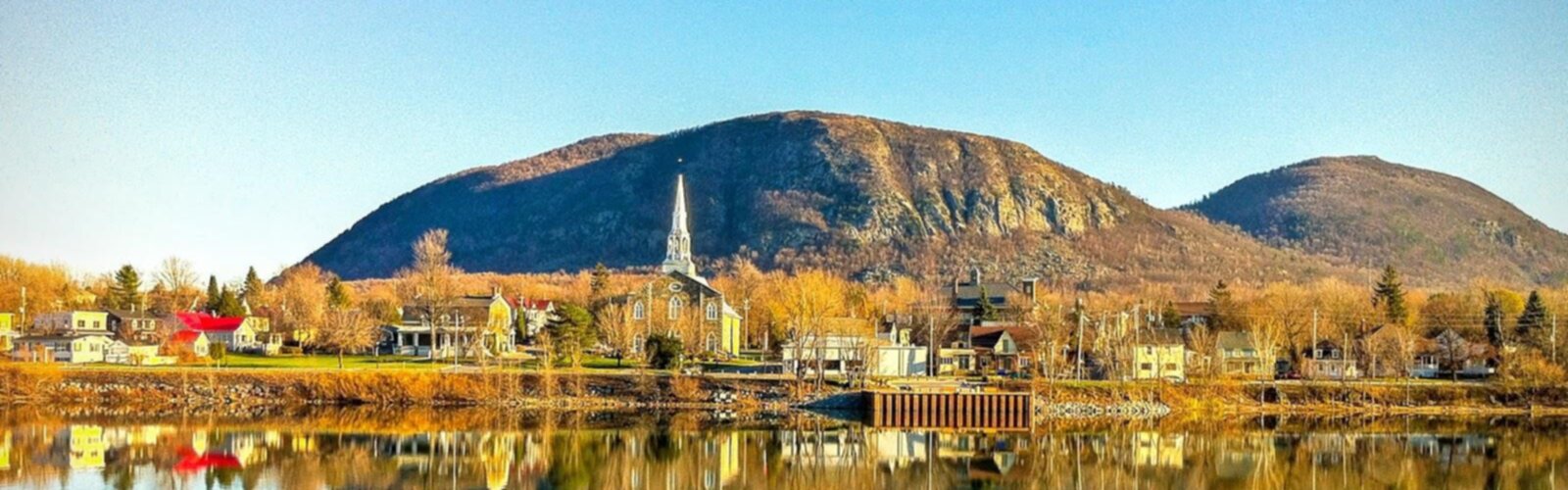
25 hikes under 2 hours from Montreal
Distance, elevation, parking and season for each one. The ones we go back to ourselves.
Get the guideSimilar hikes nearby
Discover other trails you might enjoy

Childs Lake
Duck Mountain Area
Duck Mountain Provincial Park
Duck Mountain Area
Spray Lake
Duck Mountain Area
George Lake
Duck Mountain Area
Scott Lake
Duck Mountain Area
Hiking near Regina
4 trails to explore ~303 km away
We work hard to provide the most up-to-date and error-free data possible. If something seems incorrect, let us know! Your contribution helps the whole community.
Hikers' opinions