


Ready to explore Black Lake? Here's everything you need to know before you go!
Discover the trail
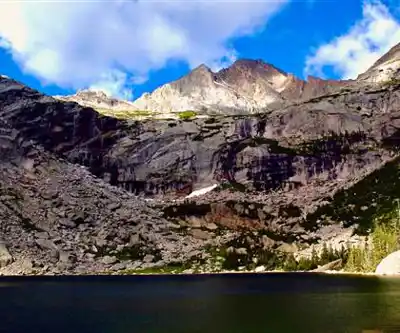
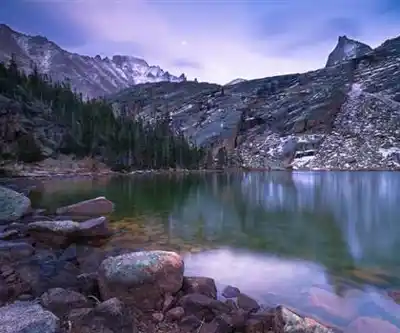
Photos: Rocky Mountain Day Hikes — CC BY (Google Images) Day Hikes Near Denver — CC BY (Google Images)
Trail description
Description
Black Lake sits quietly in Manitoba's Eastman Region, offering hikers a genuine escape into unspoiled wilderness. This pristine destination delivers exactly what its name suggests—dark, mirror-like waters surrounded by dense boreal forest that creates an almost mystical atmosphere. Unlike some of Manitoba's busier outdoor spots, Black Lake maintains its wild character, making it feel like a true discovery even though it's accessible to hikers of varying experience levels.
The lake itself serves as the centerpiece of your hiking experience here. Its crystal-clear waters reflect the surrounding canopy of spruce, pine, and birch trees, creating those perfect moments that make you pause mid-stride. The contrast between the dark water and the bright green of the surrounding forest is particularly striking during summer months, while fall transforms the area into a canvas of gold and crimson reflections.
Trail Experience and Terrain
The main trail system covers 8 kilometers with 247 meters of elevation gain, making for a satisfying day hike that typically takes around 3 hours to complete. The moderate distance and easy difficulty rating make this trail accessible to most hikers, though the varied terrain keeps things interesting throughout your journey.
Your hike begins by winding through dense forest sections where the canopy creates a natural cathedral effect. The trail surface varies from packed earth to occasional rocky sections, with some areas featuring exposed roots that require attention, especially after rain. As you progress, the path opens into meadow clearings that provide welcome breaks from the forest cover and offer your first glimpses of the lake through the trees.
The most rewarding sections follow the lake's edge, where the trail hugs the shoreline and provides unobstructed water views. Here, the terrain becomes more varied with gentle undulations that take you up small ridges for elevated perspectives, then back down to water level where you can actually touch the lake's surface. These elevation changes, while modest, contribute to the overall elevation gain and add visual interest to your hike.
The trail's design takes advantage of the natural topography, leading you through different ecosystems and viewpoints that showcase Black Lake from multiple angles. You'll find yourself moving between intimate forest corridors and open lakeside stretches, each offering its own character and photo opportunities.
Wildlife and Natural Features
Black Lake's remote location in the Eastman Region makes it an excellent spot for wildlife observation. Deer are commonly spotted, particularly in the early morning or late afternoon hours when they come to drink at the lake's edge. The dense forest provides ideal habitat for foxes, though these more elusive creatures require patience and quiet movement to observe.
Bird enthusiasts will find plenty to occupy their attention throughout the hike. The mixed forest and lake environment attracts a diverse array of species, from woodland birds like woodpeckers and nuthatches in the forest sections to waterfowl and shorebirds near the lake. The varied habitat means you'll encounter different species as you move between forest, meadow, and lakeside environments.
The lake's pristine water quality supports healthy fish populations, making it an attractive spot for anglers who want to combine hiking with fishing. The clear water allows you to often see fish moving in the shallows, adding another layer of natural interest to your lakeside walking. The boreal forest ecosystem surrounding the lake represents some of Manitoba's most characteristic wilderness, with towering conifers and mixed deciduous stands creating the perfect backdrop for your outdoor adventure.
What Makes This Trail Special
Black Lake stands out in the Eastman Region for its combination of accessibility and genuine wilderness feel. While the easy difficulty rating makes it approachable for families and newer hikers, the 8-kilometer distance provides enough of a workout to feel like a real adventure. The trail strikes that perfect balance between challenge and enjoyment that keeps you engaged without overwhelming less experienced hikers.
The lake's dark waters create an almost mirror-like surface that perfectly captures the surrounding forest, especially during calm weather conditions. This natural phenomenon gives the lake its distinctive character and provides some of the most photogenic moments you'll find on Manitoba hiking trails. The interplay between the dense forest and open water creates constantly changing scenery that prevents any sense of monotony during your hike.
Activities Beyond Hiking
While the trail system forms the backbone of most visits, Black Lake offers additional ways to connect with the natural environment. The peaceful lakeside areas provide ideal spots for extended breaks or picnicking, with several natural clearings that work well for spreading out a meal while enjoying water views.
Photography opportunities abound throughout your visit. The interplay of light and shadow in the forest sections creates dramatic contrasts, while the lake provides classic reflection shots that capture the essence of Manitoba's wilderness. The varied terrain means you'll encounter different lighting conditions and compositions as you move through forest, meadow, and lakeside environments.
For those interested in fishing, the crystal-clear waters offer excellent opportunities to try your luck. The combination of hiking access and quality fishing makes Black Lake particularly appealing for outdoor enthusiasts who enjoy multiple activities during a single outing.
Planning Your Visit
Manitoba's weather patterns can shift quickly, making layered clothing essential for any Black Lake adventure. The forest sections provide natural wind protection, but the open meadows and lakeside areas can feel significantly cooler or windier than you might expect. The 3-hour duration typical of visits here means you'll likely experience different weather conditions during your outing.
The trail's varied terrain, from forest paths to rocky sections to lakeside walking, requires appropriate footwear with good traction. While the easy difficulty rating suggests the trail isn't technically demanding, the 8-kilometer distance combined with elevation changes and potentially uneven surfaces makes proper hiking boots or shoes important for both comfort and safety.
Water and snacks become particularly important given the moderate distance and duration of Black Lake hikes. The remote location means no facilities, so come prepared with everything you'll need for your entire outing. The peaceful lakeside spots provide perfect opportunities for extended breaks where you can refuel while enjoying the scenery.
Following Leave No Trace principles takes on special importance in pristine environments like Black Lake. The unspoiled character that makes this destination so appealing depends on every visitor taking responsibility for preserving the natural environment. Pack out all trash, stay on established trails, and respect wildlife by observing from appropriate distances to ensure Black Lake remains a genuine wilderness experience for future visitors.
Recommended gear for this trail


Ready to go?
Everything you need to know before you goStarting Point
The black lake trails can be accessed from the east side of the lake. There is a small parking lot and trailhead located there.
When?
How much?
- Hiking shoes Essential
- → Salomon Elixir Tour Mid WP · 203.38 $
- Layered clothing Essential
- Rain jacket Essential
- Trekking poles
- → Black Diamond Trail Ergo Cork · 69.99 $
- Headlamp
- → Petzl Actik Core 625 · 103.95 $
FAQ - Frequently asked questions
Everything you need to know
25 hikes under 2 hours from Montreal
Distance, elevation, parking and season for each one. The ones we go back to ourselves.
Get the guideSimilar hikes nearby
Discover other trails you might enjoy

Whitemouth Falls Provincial Park
Eastman Region
Brokenhead Wetland Interpretive Trail
Eastman Region
Nopiming Provincial Park
Eastman Region
St. Malo Provincial Park
Eastman Region
Seven Sisters Falls
Eastman Region
Hiking near Winnipeg
17 trails to explore ~154 km away
We work hard to provide the most up-to-date and error-free data possible. If something seems incorrect, let us know! Your contribution helps the whole community.
Hikers' opinions