By your level
Short and easy or more demanding: find a hike that suits your experience and your mood.
See all trails in Manitoba Northor pick your starting city — the number is how many trails we list.
4 ideas. Reasons to pick each one.
Compare 4 hiking ideas in Manitoba North: the duration and the level, then open the trail page for the details.
See the 4 hikesThree guideposts to compare the ideas in this selection.
The experience
Outings with a good mix of moods and challenges in Manitoba North.
The scenery
Panoramas, forests and remarkable natural settings.
Who it suits
Outings for different levels and moods, from a serious challenge to an easy stroll.
Hard
See the trail pageShort and easy or more demanding: find a hike that suits your experience and your mood.
See all trails in Manitoba NorthFall colours, snowy summits, spring flowers: every season offers a different experience.
Explore all regionsAccess, booking, dogs and weather: check the trail page and the site manager.
Hiking Northern Region in Manitoba offers diverse wilderness trails through boreal forests, along pristine lakes, and across the Canadian Shield. Popular options include routes that showcase the region's unique subarctic landscape and abundant wildlife viewing opportunities. Many trails provide access to remote areas perfect for multi-day backcountry adventures.
The best hiking season in Hiking Northern Region Manitoba is from June to September when temperatures are warmest and most trails are accessible. Summer months offer the longest daylight hours, with up to 17 hours of daylight in June. Winter hiking is possible but requires specialized gear due to extreme cold and snow conditions.
Hiking Northern Region Manitoba can be challenging for beginners due to its remote wilderness setting and variable weather conditions. New hikers should start with shorter, well-marked trails and always inform others of their hiking plans. Proper preparation, including navigation skills and emergency supplies, is essential for safe hiking in this northern region.
Yes, many trails in Hiking Northern Region Manitoba are free to access, particularly those on Crown land and in provincial parks without entrance fees. Some provincial parks may charge day-use or camping fees, but trail access itself is typically included. Always check current park regulations and fees before visiting.
Yes, Hiking Northern Region Manitoba offers excellent snowshoeing opportunities from December through March with reliable snow cover. The region's winter landscape transforms into a pristine wilderness perfect for snowshoeing adventures. Many summer hiking trails become snowshoe routes, though winter conditions require proper cold-weather gear and preparation.
Yes, a detailed topographic map and compass are essential for hiking in Hiking Northern Region Manitoba due to the remote wilderness terrain. GPS devices are highly recommended as backup navigation, though cell service may be limited or unavailable. Many trails are unmarked or poorly marked, making navigation skills crucial for safety.
Discover our rankings for neighboring regions
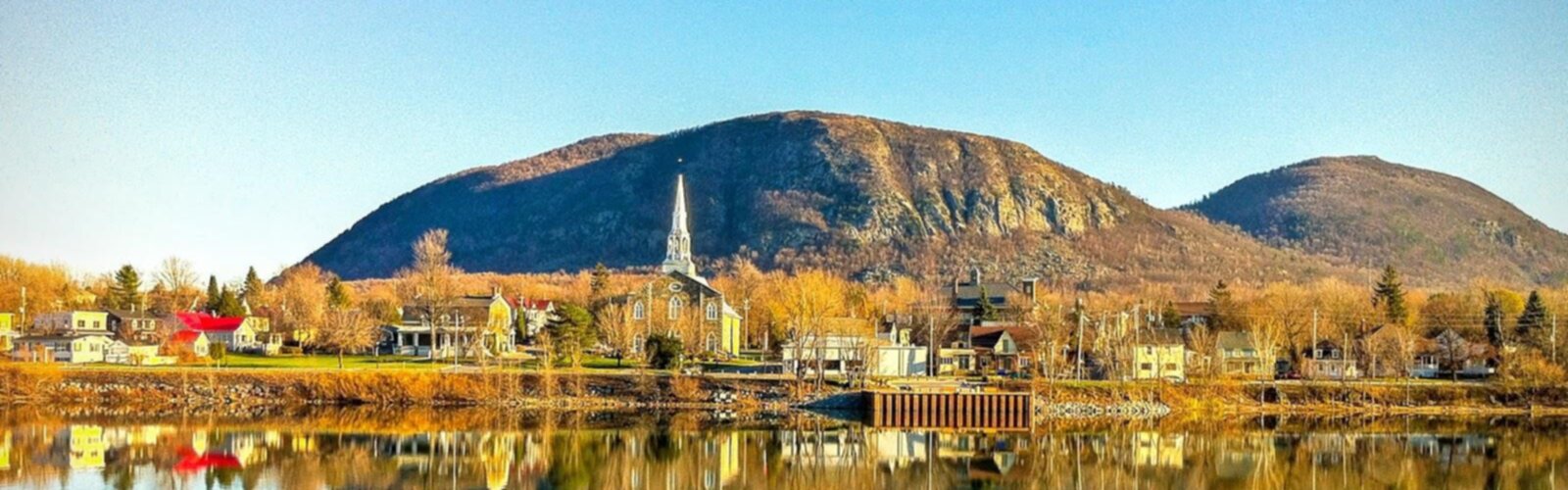
Free guide: 25 hikes under 2 hours from Montreal
Distance, elevation, parking and season for each one. The ones we go back to ourselves.
Get the guide