
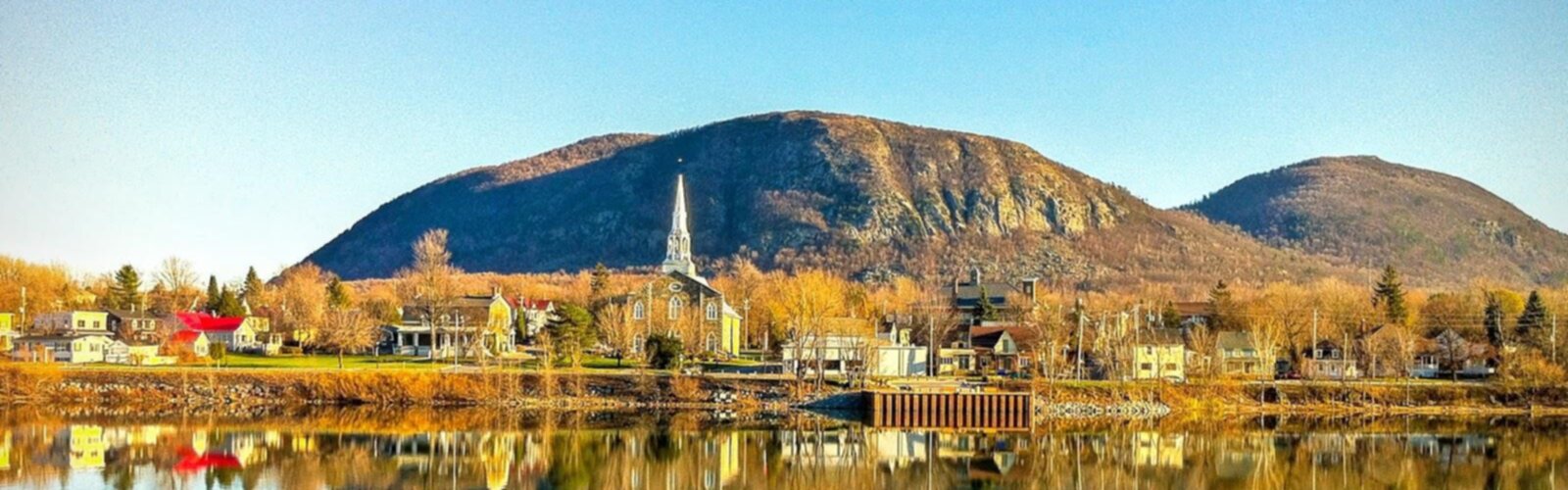
Hiking Riding Mountain National Park - panoramic view  tree outdoor landscape nature mountain sky autumn plant cloud background lake painting forest surrounded distance
--°C
Loading...
See forecast →

Hiking in Riding Mountain National Park: trails, map and practical info

Riding Mountain Area • Manitoba

4.7 Appreciated by 41 hikers
François Dumaine
By François DumaineContributor since 2022Updated 12/05/2026
Distance
370 km
Elevation
350 ft
Duration
2h00
Max altitude
732 ft

Explore 370 km of trails across Manitoba's UNESCO Biosphere Reserve, where three distinct ecosystems converge on an elevated plateau. This 2-hour adventure through Riding Mountain offers everything from boreal forests to prairie grasslands, 450 meters above the surrounding landscape.

Recommended for :

Ready to explore Riding Mountain National Park? Here's everything you need to know before you go!

Discover the trail

Oh no! We don't have any photos 😢

This trail hasn't been captured yet. Be the first to share your adventure!

Trail description

Description

Riding Mountain National Park sprawls across 3,000 square kilometers of Manitoba's parkland plateau, creating one of Canada's most diverse hiking destinations. This UNESCO Biosphere Reserve sits like an island of wilderness, rising 450 meters above the surrounding prairie and offering a unique blend of three distinct ecosystems: boreal forest, eastern deciduous woodland, and fescue grassland.

The park's elevated position creates a natural refuge where you can experience dramatic landscape changes within a single day of hiking. Dense aspen and birch forests give way to open meadows dotted with wildflowers, while hidden valleys shelter pristine lakes that reflect towering spruce and fir trees. This topographical diversity, combined with the park's location at the intersection of multiple ecological zones, makes every trail feel like a journey through different worlds.

Trail Network and Hiking Experience

With over 400 kilometers of trails threading through the park, Riding Mountain caters to every type of hiker. The trail system ranges from wheelchair-accessible boardwalks to challenging backcountry routes that require overnight camping permits. Most day hiking trails are well-maintained and clearly marked, though the backcountry areas offer more rugged experiences for those seeking solitude.

The terrain here constantly surprises you. One moment you're climbing through thick boreal forest where the canopy blocks most sunlight, and the next you emerge onto an open ridge with sweeping views across the Manitoba prairie. The park's rolling topography means most trails involve steady ups and downs rather than steep climbs, making for engaging hikes that don't require technical skills.

The Boreal Trail provides an excellent introduction to the park's northern forest ecosystem. This moderate trail winds through dense stands of white spruce, balsam fir, and paper birch, where the forest floor stays cool even on hot summer days. The trail's gentle elevation changes make it accessible to most hikers while still offering the satisfaction of a woodland workout. Along the way, you'll cross small streams and encounter the distinctive smell of boreal forest – that mix of pine, moss, and rich earth that defines northern Canada.

For a blend of natural beauty and human history, the Grey Owl Trail leads to one of Manitoba's most significant historical sites. This trail follows the route once traveled by Archibald Belaney, better known as Grey Owl, the famous conservationist who lived in a cabin on Ajawaan Lake during the 1930s. The trail itself offers moderate challenges as it winds through mixed forest and along lakeshores. The destination – Grey Owl's restored cabin – sits on a peaceful bay where you can imagine the writer working on his influential conservation books. The round trip makes for a full day of hiking with plenty of opportunities to spot wildlife along the shoreline.

Families and casual hikers gravitate toward the Clear Lake Trail, which circles the park's largest and most popular lake. This relatively flat trail offers consistent views of the water while passing through different forest types and open areas. The trail connects several beaches and picnic areas, making it easy to break up the hike with swimming or lunch stops. During summer months, the lake's clear waters provide a refreshing contrast to the warm hiking, and the trail's accessibility makes it perfect for introducing children to wilderness hiking.

Wildlife and Natural Features

Riding Mountain's position as an ecological crossroads creates exceptional wildlife viewing opportunities. The park supports one of Manitoba's largest elk herds, and these majestic animals are frequently spotted in meadows during early morning and evening hours. Black bears roam throughout the forested areas, making proper food storage essential for overnight hikers. The park also maintains a small bison herd in a dedicated enclosure, offering visitors a chance to see these prairie giants up close.

Birdwatchers will find over 260 species recorded in the park, from common loons calling across the lakes to great gray owls hunting in the forest clearings. The diverse habitats support everything from prairie species like western meadowlarks to deep forest dwellers like pileated woodpeckers. Spring and fall migrations bring additional species through the area, making these seasons particularly rewarding for birding enthusiasts.

The park's lakes and wetlands add another dimension to the hiking experience. Beyond Clear Lake, smaller bodies of water like Deep Lake and Katherine Lake offer more secluded settings where you might spot moose feeding on aquatic vegetation or beavers working on their lodges. These water features also create microclimates that support different plant communities, adding botanical interest to longer hikes.

What Makes This Place Special

What sets Riding Mountain apart from other prairie parks is its incredible ecosystem diversity packed into a relatively compact area. You can start a hike in grassland that feels like classic Manitoba prairie, climb into deciduous forest that wouldn't look out of place in Ontario, and finish in boreal woodland typical of northern Canada. This convergence happens because the park sits at a unique geographical position where three major North American ecosystems meet.

The park's elevation also creates a climate refuge that supports species you wouldn't expect to find this far south on the prairies. Cool, moist valleys harbor plants and animals more typical of northern regions, while exposed ridges maintain prairie conditions. This creates hiking opportunities that feel much more varied than the surrounding landscape would suggest.

Seasonal Considerations and Planning

Each season transforms Riding Mountain into a different destination. Summer brings the full glory of the park's plant life, with wildflower meadows reaching peak bloom in July and August. Warm temperatures make lake swimming appealing, and the long daylight hours allow for extended hiking adventures. However, summer also brings bugs – mosquitoes and blackflies can be intense in wooded areas, particularly during June and early July.

Fall hiking in Riding Mountain rivals anywhere in Canada for autumn color. The mixed forests create a spectacular display as aspen leaves turn golden yellow, birches add bright yellow accents, and scattered maples contribute splashes of red and orange. September and early October offer ideal hiking conditions with comfortable temperatures, fewer bugs, and excellent wildlife viewing as animals prepare for winter.

Winter transforms the park into a cross-country skiing and snowshoeing destination. Many of the summer hiking trails become groomed ski routes, while others remain perfect for snowshoeing adventures. The snow season typically runs from December through March, with February offering the most reliable conditions and the longest days for winter activities.

Spring can be challenging for hiking as trails may be muddy from snowmelt, but it's an excellent time for wildlife viewing as animals emerge from winter and migratory birds return to the area. The park typically becomes fully accessible for hiking by late May, though some higher elevation trails may remain soft into early June.

The park operates year-round with varying levels of services depending on the season. Summer brings full facility operations including visitor centers, campgrounds, and interpretive programs, while winter services focus on the ski and snowshoe trail systems. Most hiking trails remain accessible throughout the snow-free season, though backcountry camping may have seasonal restrictions depending on wildlife activity and trail conditions.

Ready to go?

Everything you need to know before you go

Where?

Address
135 Wasagaming Dr, Onanole, MB R0J 1N0, Canada
GPS coordinates
50.6583616, -99.9712948
Phone
Not available

Starting Point

The easiest way to get to the start of the trails at riding mountain national park is to drive to the park and then take the park shuttle to the trailhead.

When?

Opening hours
From sunrise to sunset
Varies by season
Best season
Fall
Spectacular colors
Best time
Early morning
Less crowded
Weather (next days)
Loading

How much?

Entry fees
Adult
Not available
Child
What to bring?
Gear
  • Hiking shoes Essential
  • Layered clothing Essential
  • Rain jacket Essential
  • Trekking poles
  • Headlamp
Download the PDF checklist
Water & food
2L minimum
No water point on the trail
Bring energy snacks for a 4h+ hike
Good to know
Park rules
No dogs
Safety
Download the GPX before you go
Limited cellular coverage on the trail
Slippery after rain
Be careful on rocky sections
In an emergency
Emergency
911
Parking GPS
50.6583616, -99.9712948
Center
Not available

Hikers' opinions

4.7
22 Reviews
RC
Robert C.
Nov 12, 2024
Winter hiking here is magical! Snowshoeing through the quiet forest trails offers a completely different perspective. The park feels pristine and peaceful with snow-covered evergreens. Wildlife tracks in fresh snow tell interesting stories. Well-groomed winter trails and the silence of the snowy landscape make this a hidden gem for cold-weather enthusiasts.
ER
Emma R.
Sep 30, 2024
Fall colors in late September were absolutely spectacular! The aspen and birch groves create golden tunnels along many trails. Perfect weather for hiking with cooler temperatures and fewer bugs. Captured some amazing wildlife photography - the lighting during autumn is incredible. Highly recommend visiting during shoulder season for the best experience.
R2
Review 2
Sep 28, 2024
Fall colors in late September were absolutely spectacular! The aspen and birch groves create golden tunnels along many trails. Perfect weather for hiking with cooler temperatures and fewer bugs. Captured some amazing wildlife photography - the lighting during autumn is incredible. Highly recommend visiting during shoulder season for the best experience. The moderate elevation gain of 350m makes trails accessible while offering rewarding viewpoints across the diverse ecosystems.
R1
Review 10
Aug 18, 2024
Hiking in Riding Mountain National Park was a memorable experience. The trails are well-marked and offer a nice challenge, especially the elevation gain. Encountered some steep sections, but the panoramic views from the top were worth it. Just keep an eye out for the weather, as it can change quickly! The 350m elevation gain provides rewarding viewpoints, and the park shuttle system makes accessing various trailheads convenient when weather permits.
SM
Sarah M.
Aug 15, 2024
Riding Mountain National Park offers incredible diversity! We spent three days exploring different trails and each one surprised us. The wildlife viewing opportunities are outstanding - saw black bears, elk, and countless bird species. The park's mix of boreal forest, grasslands, and lakes creates unique ecosystems. Definitely worth the entrance fee for the quality of trails and facilities.

FAQ - Frequently asked questions

Everything you need to know
350.00
732.00
2h00
No
No
Hiking times at Riding Mountain National Park vary greatly depending on which trails you choose, with some routes taking around 2h00 to complete. The park offers over 370 km of trails total, so you can plan anything from short day hikes to multi-day backcountry adventures. Check with park staff for specific trail recommendations based on your available time.
Riding Mountain National Park features trails with elevation gains up to 350 m, though this varies significantly by trail choice. The park sits on an elevated plateau, so some trails offer relatively flat terrain while others involve more challenging climbs. Verify specific trail elevation profiles at the visitor centre before heading out.
No, dogs are not permitted on trails in Riding Mountain National Park. This policy helps protect the park's wildlife and sensitive ecosystems, including the resident bison herd and other native species. Service animals are the only exception to this rule.
The easiest way to get to the start of the trails at Riding Mountain National Park is to drive to the park and then take the park shuttle to the trailhead. This shuttle service helps reduce traffic congestion and environmental impact on popular trails. Check current shuttle schedules and pickup locations at the visitor centre upon arrival.
Didn't find your answer?
Free 1 pages

The Essential Hiking Checklist

Everything you need for your next hike. Bilingual, printable, 1 page.

Download the free checklist

Similar hikes nearby

Discover other trails you might enjoy

Top 10 best hiking in Riding Mountain Area
Our ranking based on hiker reviews

Hiking near Brandon

5 trails to explore ~91 km away

View trails
Did you spot an error?

We work hard to provide the most up-to-date and error-free data possible. If something seems incorrect, let us know!

Update : June 2026