


Ready to explore Tulabi Falls? Here's everything you need to know before you go!
Discover the trail
Oh no! We don't have any photos 😢
This trail hasn't been captured yet. Be the first to share your adventure!Trail description
Description
Tucked away in the rugged wilderness of Nopiming Provincial Park, Tulabi Falls represents one of Manitoba's most accessible yet rewarding waterfall destinations. This cascading gem offers hikers a perfect introduction to the Canadian Shield landscape that defines much of eastern Manitoba, where ancient granite bedrock creates the dramatic drops and pristine lake systems that make this region so distinctive.
The falls themselves tumble over weathered Precambrian rock formations, creating a multi-tiered cascade that's particularly impressive during spring snowmelt and after summer thunderstorms. Unlike some of Manitoba's more remote waterfalls that require extensive backcountry travel, Tulabi Falls sits close enough to established park infrastructure to make it an ideal day trip destination while still providing that sense of wilderness immersion that draws people to Nopiming.
The Trail Experience
The 1.2-kilometer approach to Tulabi Falls follows well-maintained pathways that showcase the diverse ecosystems of the boreal forest. With only 20 meters of elevation gain spread over the entire route, this easy 30-minute hike makes the falls accessible to virtually anyone looking to experience Manitoba's wilderness. You'll traverse sections of dense mixed woodland where towering white spruce and balsam fir create a cathedral-like canopy overhead, while the understory bursts with Labrador tea, blueberry bushes, and wild rose.
The trail alternates between these forested stretches and more open areas where you catch glimpses of the surrounding lake country through the trees. What makes this hike particularly engaging is how the terrain gradually builds anticipation. The sound of rushing water becomes increasingly audible as you approach, and the trail follows the creek upstream for the final stretch, allowing you to observe how the water carves through the landscape.
The path includes some gentle undulations over the characteristic granite outcroppings of the Canadian Shield, but nothing that would challenge beginners or families with children. The forest floor along the route tells the story of this ecosystem's seasonal rhythms, with wild strawberries and abundant wildflowers including fireweed, wild bergamot, and various orchid species appearing in early summer.
At the Falls
The destination itself rewards your short journey with a spectacular display of water cascading over ancient rock formations. The multi-tiered nature of Tulabi Falls creates several viewing opportunities, each offering a different perspective on how water has shaped this landscape over millennia. The mist generated by the falling water creates a naturally cool microclimate that provides welcome relief during hot summer days.
The area around the falls includes natural rock platforms that serve as excellent spots for rest, photography, or simply taking in the sights and sounds of rushing water. However, these surfaces can become slippery when wet, so careful footing is essential. The pools above and below the main cascade harbor their own ecosystems, with clear water revealing the granite bedrock beneath.
Wildlife and Natural Features
Nopiming's reputation as a wildlife haven becomes evident along the Tulabi Falls trail. Moose frequent the area, particularly in early morning and evening hours, often spotted browsing in the marshy areas near water sources. White-tailed deer are common throughout the park, and black bears, while present, tend to avoid the more frequently traveled trails during daylight hours.
The bird watching opportunities are exceptional. Great blue herons fish in the quieter pools above and below the falls, while belted kingfishers announce their presence with distinctive rattling calls. The mixed forest supports everything from tiny ruby-crowned kinglets to impressive pileated woodpeckers, and the open water attracts various waterfowl species depending on the season.
The geological story of Tulabi Falls connects to the broader narrative of the Canadian Shield. The exposed bedrock reveals the incredible age of this landscape, with some formations dating back over two billion years. The way water has carved through these ancient rocks creates not just the falls themselves, but a series of pools and smaller cascades that extend both upstream and downstream from the main drop.
Seasonal Considerations
Each season transforms the Tulabi Falls experience in distinct ways. Summer hiking offers the most comfortable conditions, with warm temperatures perfect for enjoying the cooling mist from the falls. The water flow is typically moderate but consistent, and the surrounding vegetation is at its most lush. This is also peak season for wildflowers and the best time for families with young children.
Fall brings spectacular color changes as the deciduous trees and shrubs turn brilliant shades of red, orange, and yellow against the evergreen backdrop. The cooler temperatures make for excellent hiking conditions, and the reduced insect activity is a welcome bonus. Water levels may be lower, but the falls remain impressive, and the clarity of autumn air makes for outstanding photography.
Winter opens up entirely different recreational possibilities. The area becomes accessible for snowshoeing, and the frozen falls create dramatic ice formations that completely transform the landscape. The snow-covered forest takes on a magical quality, though winter visitors should be prepared for potentially challenging conditions and shorter daylight hours.
Spring represents perhaps the most dynamic time to visit, as snowmelt swells the creek and creates the most powerful water flow of the year. The falls are at their most dramatic, though trail conditions can be muddy and unpredictable. This is also when wildflowers begin their emergence, creating a sense of renewal and awakening throughout the forest.
Planning Your Visit
The proximity to established campgrounds within Nopiming Provincial Park makes Tulabi Falls an excellent base for extended outdoor adventures. Several campgrounds offer both electrical and non-electrical sites, with facilities including washrooms, showers, and picnic areas. Camping allows you to experience the falls at different times of day and provides opportunities to explore other trails and lakes in the area.
For day visitors, the falls area includes suitable spots for picnicking, though you'll want to pack everything in and out following Leave No Trace principles. Photography enthusiasts will find the falls offer excellent opportunities throughout the day, though the interplay of light and water is particularly striking during the golden hours of early morning and late afternoon.
Before heading out, check current park conditions and ensure you have appropriate footwear for potentially wet and slippery conditions near the falls. While the trail itself is well-maintained, basic hiking gear including water, snacks, and weather-appropriate clothing will ensure a comfortable visit regardless of conditions.
Recommended gear for this trail


Ready to go?
Everything you need to know before you goStarting Point
The start of the trails at the tulabi falls in Manitoba can be accessed by travelling east on Highway 1 to the junction of Highway 10. Turn north onto Highway 10 and drive for approximately 9 km until you reach the sign for the falls. Turn left onto the gravel road and drive for 1.5 km until you reach the parking lot.
When?
How much?
- Hiking shoes Essential
- → Salomon Elixir Tour Mid WP · 203.38 $
- Layered clothing Essential
- Rain jacket Essential
- Trekking poles
- → Black Diamond Trail Ergo Cork · 69.99 $
- Headlamp
- → Petzl Actik Core 625 · 103.95 $
FAQ - Frequently asked questions
Everything you need to know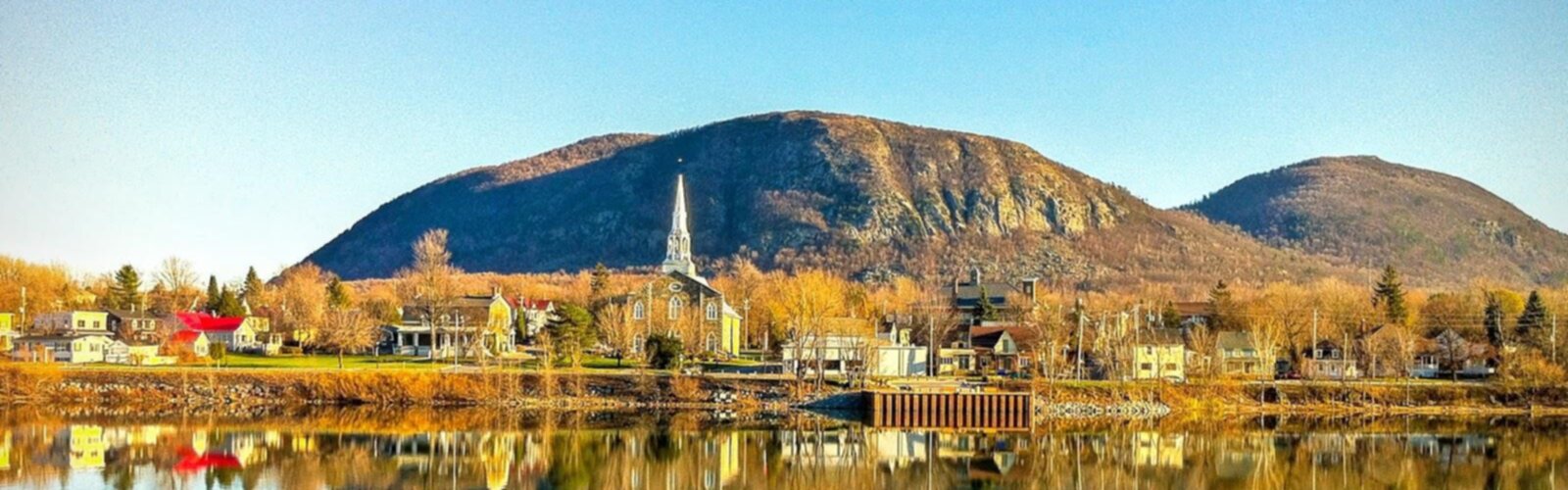
25 hikes under 2 hours from Montreal
Distance, elevation, parking and season for each one. The ones we go back to ourselves.
Get the guideSimilar hikes nearby
Discover other trails you might enjoy

Falcon Lake
Whiteshell Area
Pine Point Rapids
Whiteshell Area
Mantario Trail
Whiteshell Area
Falcon Trails Resort
Whiteshell Area
Caddy lake
Whiteshell Area
West Hawk Lake Campground
Whiteshell Area
Hiking near Winnipeg
17 trails to explore ~149 km away
We work hard to provide the most up-to-date and error-free data possible. If something seems incorrect, let us know! Your contribution helps the whole community.
Hikers' opinions