


Ready to explore Birds Hill Provincial Park? Here's everything you need to know before you go!
Discover the trail

Available trails
| Trails | Distance | Elevation | Duration | Difficulty | GPX |
|---|---|---|---|---|---|
| 47.64 km | 10h30 | GPX |
GPX track: © OpenStreetMap contributors — ODbL 1.0
Trail description
Description
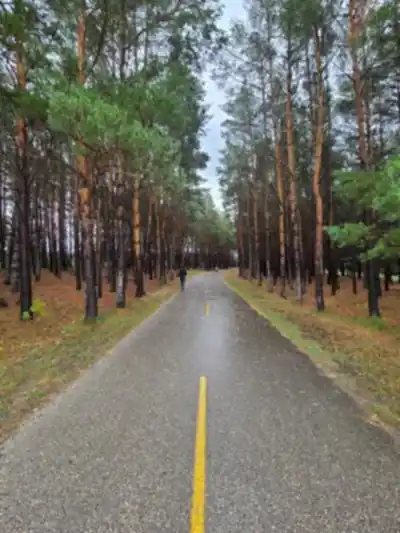
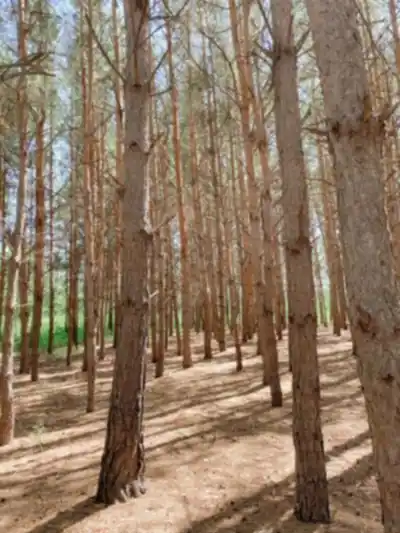
Birds Hill Provincial Park sits just 20 minutes northeast of Winnipeg, offering some of Manitoba's most accessible and diverse hiking terrain. This 8,400-acre park combines prairie grasslands, dense aspen forests, and unique wetland ecosystems, creating a landscape that feels surprisingly wild despite its proximity to the city. The park's rolling hills—unusual for this part of the prairies—were formed by glacial deposits, giving hikers actual elevation changes and scenic overlooks rare in southern Manitoba.
Trail Network and Hiking Options
The park's trail system caters to every hiking preference, from short nature walks to longer wilderness experiences. The Cedar Bog Trail forms a 3.5-kilometer loop that takes you through the park's most distinctive ecosystem. This trail winds through dense cedar and tamarack stands before opening into wetland areas where the boardwalk sections keep your feet dry while offering excellent wildlife viewing opportunities. The terrain here is mostly flat with some gentle undulations, making it perfect for families or anyone wanting a peaceful walk without significant physical challenge.
For hikers seeking more distance and variety, the Bur Oak Trail delivers an 8-kilometer journey through the park's most diverse landscapes. This trail climbs through mixed forests of oak, aspen, and maple before emerging onto open grassland areas that showcase the region's original prairie ecosystem. The elevation changes are gradual but noticeable, providing occasional views across the surrounding countryside. During the hike, you'll transition between dense forest sections where the canopy creates cool, shaded corridors and open meadows where native grasses and wildflowers dominate the landscape.
The trail network connects seamlessly, allowing hikers to customize their route length and difficulty. Well-marked intersections make navigation straightforward, while the variety of terrain keeps longer hikes interesting. The paths themselves are well-maintained dirt and grass trails that handle foot traffic well in most weather conditions.
Wildlife and Natural Features
Birds Hill Provincial Park lives up to its name with exceptional birdwatching opportunities throughout the year. The diverse habitats support over 200 bird species, from forest dwellers like pileated woodpeckers and various warbler species to grassland birds such as bobolinks and sedge wrens. The wetland areas attract waterfowl, herons, and during migration periods, an impressive variety of shorebirds and raptors.
White-tailed deer are commonly spotted throughout the park, particularly in the early morning and evening hours. They're often seen grazing in the meadow areas or moving quietly through the forest sections. The park also supports populations of red foxes, coyotes, and numerous small mammals, though these are more elusive and typically observed by patient hikers who spend time sitting quietly in strategic locations.
The plant communities change dramatically as you move between habitats. The wetland areas feature cattails, sedges, and various aquatic plants, while the prairie sections showcase native grasses like big bluestem and prairie dropseed alongside wildflowers such as purple coneflower and wild bergamot. The forested areas contain a mix of deciduous trees that create spectacular fall color displays, typically peaking in late September to early October.
Seasonal Hiking Experiences
Each season transforms the park's character and hiking experience. Spring brings migrating birds and emerging wildflowers, with the wetland areas coming alive as ice melts and waterfowl return. The trails can be muddy during snowmelt, but this is also when you'll see the most dramatic changes in the landscape from week to week.
Summer offers the fullest experience, with all trails accessible and wildlife most active during the cooler morning and evening hours. The forest sections provide welcome shade during hot days, while the open areas can be quite warm in midday sun. Insect activity peaks in summer, so bug spray becomes essential, particularly near wetland areas.
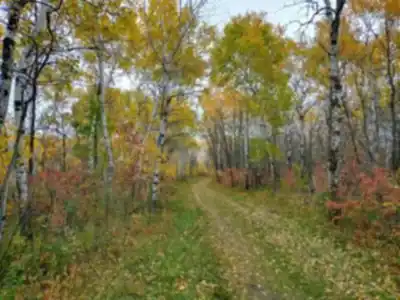
Fall transforms the park into a showcase of autumn colors, with the mixed deciduous forests creating brilliant displays of red, orange, and gold. This is arguably the most photogenic season, and the cooler temperatures make for comfortable hiking conditions. Wildlife activity increases as animals prepare for winter.
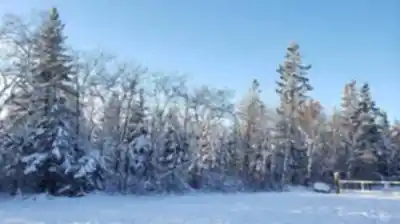
Winter hiking opportunities continue on the same trail network, though the experience shifts to cross-country skiing and snowshoeing. The park maintains groomed ski trails, and the snow-covered landscape offers a completely different perspective on familiar routes. Winter wildlife tracking becomes an engaging activity, with clear snow providing evidence of the animals that remain active during the cold months.
Facilities and Practical Information
The park provides solid infrastructure to support day hikers and extended visits. Multiple parking areas serve different trail access points, with the main parking area near the visitor center offering the most comprehensive facilities. Restrooms are available at key locations, and picnic areas with tables and fire pits are scattered throughout the park for those wanting to combine hiking with outdoor meals.
For visitors planning overnight stays, the park operates a campground with both serviced and unserviced sites. This allows hikers to explore the trail network over multiple days or to experience the park's different moods from dawn to dusk. The camping facilities include shower houses and a camp store for basic supplies.
Trail maps are available at the visitor center and key trailheads, though the trail system is well-marked enough that navigation remains straightforward. The park charges standard Manitoba provincial park fees for day use and camping. Dogs are welcome on all trails but must remain on leash, making this an excellent destination for hiking with pets.
The park's accessibility extends beyond just proximity to Winnipeg. The trail network accommodates various fitness levels and time constraints, while the diverse ecosystems provide educational opportunities for families with children interested in nature. The combination of easy access, well-maintained facilities, and genuine wilderness experience makes Birds Hill Provincial Park a standout destination for hikers throughout the Winnipeg Capital Region.
Recommended gear for this trail


Ready to go?
Everything you need to know before you goStarting Point
The easiest way to get to the start of the trails at the birds hill provincial park is to take Highway 59 north from Winnipeg and turn left onto PR 210 (Birds Hill Park Road). The park entrance is about 5 km from the junction of Highway 59 and PR 210.
When?
Tuesday: 7:00 AM – 11:00 PM
Wednesday: 7:00 AM – 11:00 PM
Thursday: 7:00 AM – 11:00 PM
Friday: 7:00 AM – 11:00 PM
Saturday: 7:00 AM – 11:00 PM
Sunday: 7:00 AM – 11:00 PM
How much?
- Hiking shoes Essential
- → Salomon Elixir Tour Mid WP · 203.38 $
- Layered clothing Essential
- Rain jacket Essential
- Trekking poles
- → Black Diamond Trail Ergo Cork · 69.99 $
- Headlamp
- → Petzl Actik Core 625 · 103.95 $
FAQ - Frequently asked questions
Everything you need to know
25 hikes under 2 hours from Montreal
Distance, elevation, parking and season for each one. The ones we go back to ourselves.
Get the guideSimilar hikes nearby
Discover other trails you might enjoy

Assiniboine Park
Winnipeg Capital Region
La Barriere Park
Winnipeg Capital Region
Beaudry Provincial Park
Winnipeg Capital Region
Windsor Park Nordic Centre
Winnipeg Capital Region
Whittier Park
Winnipeg Capital Region
Kildonan Park
Winnipeg Capital Region
Hiking near Winnipeg
17 trails to explore ~23 km away
We work hard to provide the most up-to-date and error-free data possible. If something seems incorrect, let us know! Your contribution helps the whole community.
Hikers' opinions