


Ready to explore Kejimkujik National Park Seaside? Here's everything you need to know before you go!
Discover the trail
Oh no! We don't have any photos 😢
This trail hasn't been captured yet. Be the first to share your adventure!Trail description
Description
Kejimkujik National Park Seaside sits along Nova Scotia's Lighthouse Route, protecting a stretch of Atlantic coastline that feels genuinely remote despite being accessible by road. This coastal section of the park is entirely separate from the main Kejimkujik inland park, and the landscape reflects that difference completely — you're trading freshwater lakes and forest trails for white sand beaches, salt-sprayed headlands, and the kind of open ocean views that make you stop walking just to take it in. The park covers 22 square kilometers and encompasses several distinct areas, including Port Joli Head, Port L'Hebert Beach, and St. Catherine's River Beach, each with its own character.
What makes this place stand out along the Lighthouse Route is the variety packed into a relatively compact area. The terrain shifts from sheltered coves with fine sand to exposed granite headlands where the rock drops straight into the Atlantic. Coastal forests of red spruce and balsam fir give way to windswept barrens — a distinctive Maritime habitat where stunted trees and low-growing shrubs create an almost tundra-like landscape shaped by constant salt spray and wind. It's not dramatic in an obvious way, but it gets under your skin.
The Hiking Experience
The trail featured here is an easy 2-kilometer route with about 50 meters of elevation gain, making it a solid option for families, casual hikers, or anyone who wants a genuine coastal experience without committing to a full day out. At an estimated 30 minutes, it's short enough to feel relaxed but long enough to actually get you into the landscape rather than just skimming the edge of it.
The path is well-maintained, with wooden boardwalks crossing sensitive areas and clear trail markers throughout. As you move toward the coast, the forest opens up gradually, giving you glimpses of the Atlantic through the trees before the full view opens up. The coastal sections can get slippery when wet — the granite stays slick well after rain stops — so footwear with decent grip matters more here than on a typical easy trail.
Even on a short route like this, the shift between environments is noticeable. You move from the sheltered quiet of the coastal forest into the wind and light of the open headland, and the change in atmosphere is immediate. The exposed sections offer natural viewing platforms over the water, and the rock formations themselves are worth a closer look — layered and weathered in ways that reflect a long geological history.
Wildlife Along the Coast
The park's position along the Atlantic Flyway makes wildlife viewing a genuine highlight, not just a bonus. From the coastal trail, you're likely to spot harbor seals and grey seals resting on offshore rocks, particularly at low tide. Osprey nest near the water and can often be seen diving feet-first into the coves — one of those wildlife moments that's hard to forget once you've seen it. Bald eagles patrol the coastline as well, especially in cooler months.
Seabirds are a constant presence: double-crested cormorants, great blue herons, and various gull species work the shoreline regularly. The park's beaches also support nesting piping plovers, an endangered shorebird, and certain areas may be restricted during breeding season to protect them. Pay attention to any posted signs near beach access points.
In the forest sections, white-tailed deer browse in clearings during early morning and evening. Red squirrels and chipmunks are active throughout the day. Black bears inhabit the broader area, though encounters are uncommon given the coastal setting and regular visitor activity.
Practical Information
The coastal location means weather can shift quickly. Fog rolls in fast off the Atlantic, and the temperature difference between the sheltered forest and the exposed headland can be significant even on a warm day. Bring a wind layer regardless of the forecast — it's the kind of place where you'll be glad you have it.
Water sources are limited along the trail, so carry what you need before you start. Cell coverage is unreliable throughout much of the park. The trail is accessible year-round, though services are reduced outside the summer season and winter conditions on the coastal sections require careful footing.
The park operates on Leave No Trace principles, which carries real weight in this environment. The coastal barrens look sparse, but the plant communities there are specialized and slow to recover from trampling. Stick to the designated trail, particularly where it crosses open barrens or approaches nesting areas near the beaches.
Getting the Most Out of a Short Visit
Because the trail is short, you have time to slow down and actually pay attention to what's around you. Bring binoculars if you have them — the seal haul-outs and seabird activity reward a closer look. Arrive early in the morning for the best wildlife activity and softer light on the water. If the tide is low, the offshore rocks will likely have seals on them, which adds a lot to the experience from the headland sections of the trail.
The Lighthouse Route draws visitors for its scenic coastal character, and Kejimkujik National Park Seaside delivers that in a protected, well-managed setting that keeps the experience feeling natural rather than developed.
Recommended gear for this trail


Ready to go?
Everything you need to know before you goStarting Point
The kejimkujik national park seaside is located in Nova Scotia. To get to the start of the trails, take Highway 8 to Exit 9 and follow the signs to the park.
When?
How much?
- Hiking shoes Essential
- → Salomon Elixir Tour Mid WP · 203.38 $
- Layered clothing Essential
- Rain jacket Essential
- Trekking poles
- → Black Diamond Trail Ergo Cork · 69.99 $
- Headlamp
- → Petzl Actik Core 625 · 103.95 $
FAQ - Frequently asked questions
Everything you need to know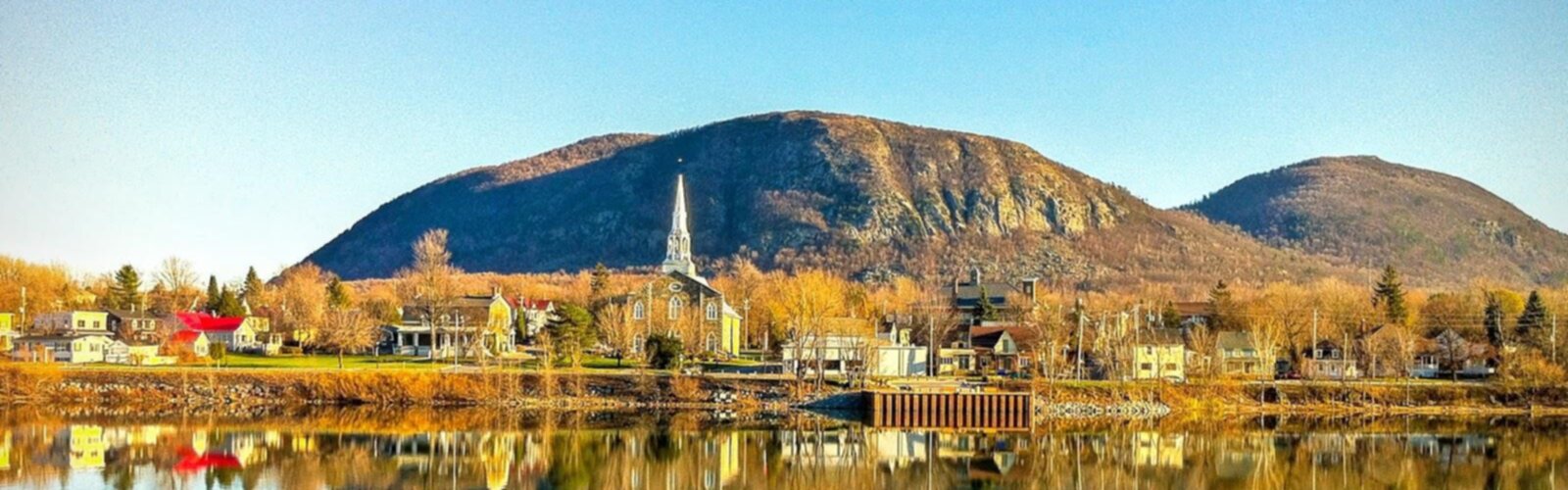
25 hikes under 2 hours from Montreal
Distance, elevation, parking and season for each one. The ones we go back to ourselves.
Get the guideSimilar hikes nearby
Discover other trails you might enjoy

Western Lake
Lighthouse Route
Pine Grove Outdoor Play Park
Lighthouse Route
Rissers Beach Provincial Park
Lighthouse Route
Thomas Raddall Provincial Park
Lighthouse Route
Ellenwood Lake Provincial Park
Lighthouse Route
LaHave River Campground
Lighthouse Route
Hiking near Halifax
71 trails to explore ~133 km away
We work hard to provide the most up-to-date and error-free data possible. If something seems incorrect, let us know! Your contribution helps the whole community.
Hikers' opinions