

Ready to explore Clark Mountain, California? Here's everything you need to know before you go!
Discover the trail
Trail description
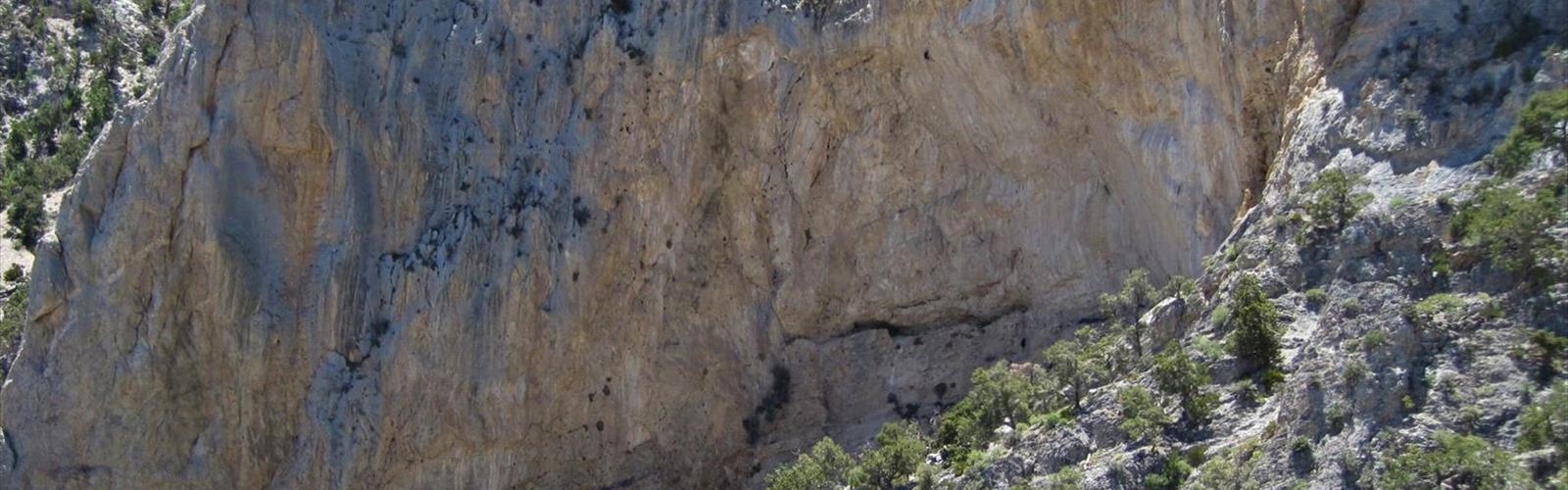
Clark Mountain rises as the highest peak in California's Mojave Desert, offering one of the region's most challenging and rewarding hiking experiences. This imposing summit stands apart from the typical desert hiking found elsewhere in Southern California, combining serious elevation gain with the stark beauty of high desert terrain.
The 16-kilometer round-trip journey to Clark Mountain's summit demands respect and preparation. With 2,410 meters of elevation gain spread across 8 hours of hiking, this trail ranks among the more strenuous desert climbs in the state. The route begins in classic Mojave scrubland but transitions through distinct ecological zones as you climb, each offering its own character and challenges.
Trail Experience and Terrain
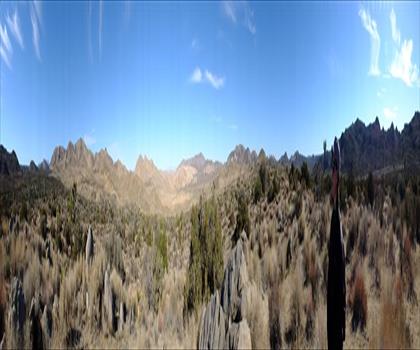
The ascent starts gradually through desert flats dotted with Joshua trees and creosote bush, but the terrain becomes increasingly rugged as you gain elevation. Rocky sections and loose scree demand careful foot placement, while the sustained climb tests your endurance and pacing strategy. The trail isn't technically difficult, but the combination of distance, elevation gain, and desert conditions creates a genuinely challenging experience.
As you climb higher, the vegetation shifts noticeably. The lower Mojave species give way to pinyon pine and juniper, creating unexpected pockets of shade and a more mountainous feel. The upper reaches of Clark Mountain feel remarkably different from where you started, with cooler temperatures and a landscape that bears little resemblance to the desert floor below.
The sweeping vistas begin early and only improve with elevation. From various points along the route, you'll see across vast stretches of the Mojave Desert, with distant mountain ranges creating layered horizons that stretch toward Nevada and Arizona. The summit views encompass an enormous area of the American Southwest, making the long climb worthwhile for those who reach the top.
Wildlife and Natural Features
Clark Mountain supports a surprising diversity of wildlife adapted to its varied elevations and microclimates. Bighorn sheep inhabit the rocky upper slopes and are occasionally spotted by hikers, though sightings require patience and luck. The mountain's bird life includes various species that take advantage of the different habitat zones, from desert specialists in the lower elevations to mountain-adapted species higher up.
The diverse ecosystems you'll encounter make this hike particularly interesting from a natural history perspective. The transition from Mojave Desert scrub to higher elevation woodland happens gradually but noticeably, offering insight into how elevation and exposure create distinct plant communities even within a single mountain system.
Seasonal Considerations and Timing
The cooler months from late fall through early spring provide the most comfortable conditions for tackling Clark Mountain's demanding route. Summer temperatures in the Mojave Desert make this hike potentially dangerous, with little shade available during the long ascent. Winter can bring snow to the upper elevations, adding both beauty and complexity to the climb.
Even during the recommended season, desert conditions require careful attention to sun exposure and hydration. The combination of high elevation, intense sun, and dry air can be deceptively taxing, making proper preparation essential regardless of your fitness level.
Essential Preparation
Water requirements for Clark Mountain exceed those of most day hikes due to the length, elevation gain, and desert environment. Carry significantly more water than you think you'll need, as dehydration happens quickly in these conditions. The 8-hour duration means you'll likely be hiking during the hottest part of the day even with an early start.
Sturdy, broken-in hiking boots are essential for the rocky terrain and loose surfaces you'll encounter throughout the climb. The varied ground conditions, from sandy washes to rocky slopes, demand footwear that can handle everything the mountain offers.
Sun protection becomes critical during the long exposure of this hike. Sunscreen, hat, and protective clothing help prevent the kind of severe sunburn that can ruin not just your hike but several days afterward. The high elevation intensifies UV exposure beyond what you might expect.
What Makes This Hike Special
Clark Mountain offers an experience that's hard to find elsewhere in California's desert regions. The combination of serious elevation gain, diverse ecosystems, and expansive views creates a hike that feels more like a mountaineering objective than a typical desert walk. The physical challenge is substantial enough to provide genuine accomplishment, while the changing landscapes keep the long ascent interesting throughout.
The mountain's relative obscurity means you're likely to find solitude even on weekends, a rarity for challenging hikes in Southern California. This isolation adds to both the appeal and the responsibility of hiking here, as you'll be largely self-reliant in a remote environment.
For hikers seeking to push their limits while experiencing some of the Mojave Desert's most dramatic terrain, Clark Mountain delivers an unforgettable adventure that showcases the unexpected diversity and beauty of California's desert mountains.
The Essential Hiking Checklist
Everything you need for your next hike. Bilingual, printable, 1 page.
Get your free hiking checklistRecommended gear for this trail
As an Amazon Associate I earn from qualifying purchases.


Ready to go?
Everything you need to know before you goStarting Point
To access the hiking trails, you can start from several trailheads. One option is to begin at the Mojave National Preserve's parking area near the intersection of Cima Road and Morning Star Mine Road. Another starting point is located off of Cedar Canyon Road, where there is a small parking area available for hikers. Ensure you have a reliable map or GPS device as these areas can be remote and signage may be limited.
When?
How much?
As an Amazon Associate I earn from qualifying purchases.
Affiliate links — LGPO may earn a commission at no extra cost to you.
- Hiking shoes Essential
- → Salomon Elixir Tour Mid WP · 203.38 $
- Layered clothing Essential
- Rain jacket Essential
- Trekking poles
- → Black Diamond Trail Ergo Cork · 69.99 $
- Headlamp
- → Petzl Actik Core 625 · 103.95 $
FAQ - Frequently asked questions
Everything you need to knowSimilar hikes nearby
Discover other trails you might enjoy
Hiking near Victoria
93 trails to explore ~1569 km away
We work hard to provide the most up-to-date and error-free data possible. If something seems incorrect, let us know! Your contribution helps the whole community.
Hikers' opinions
Be the first to review!
No hiker has shared their experience yet. Share your impressions and help other hikers!