

Ready to explore Sebago to the Sea Trail? Here's everything you need to know before you go!
Discover the trail
Trail description
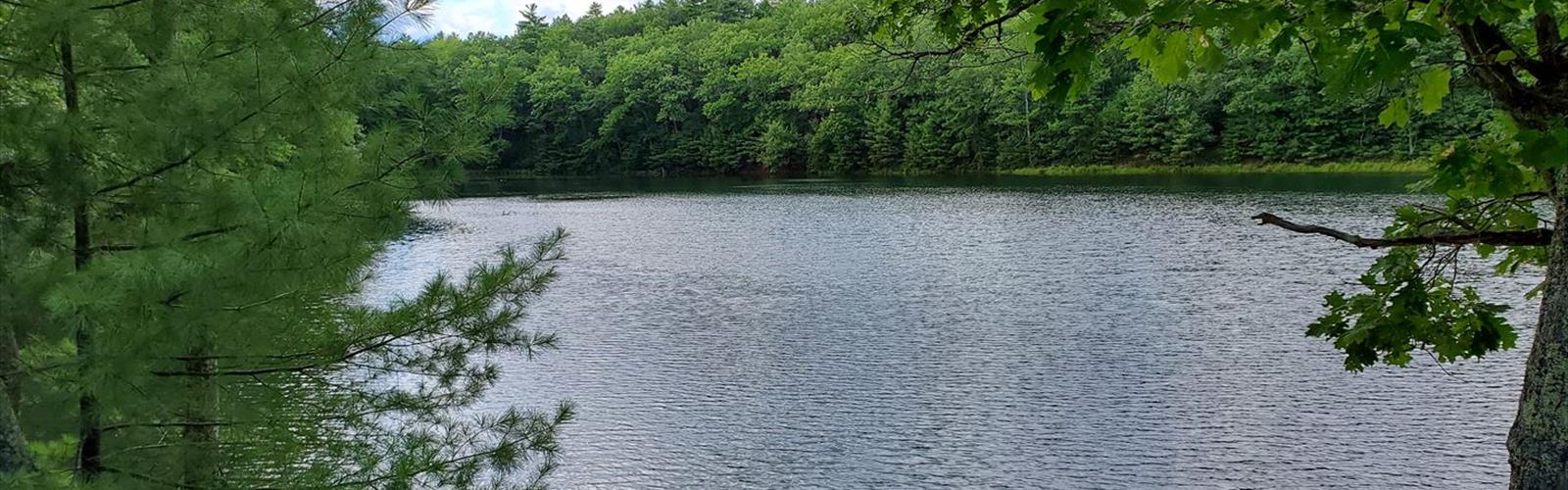
The Sebago to the Sea Trail cuts a remarkable 47-kilometer path through some of Maine's most diverse landscapes, connecting the crystal-clear waters of Sebago Lake with the tidal reaches of Casco Bay. This multi-day hiking experience showcases the best of southern Maine's natural heritage, taking you from inland lake country through working forests, alongside rushing rivers, and into coastal communities where salt air mingles with pine.
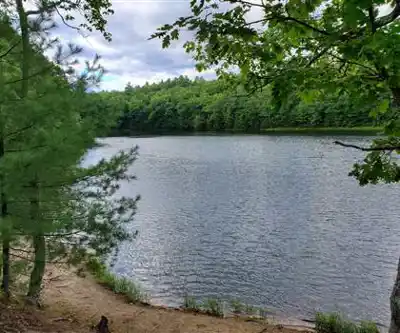
What sets this trail apart in the Greater Portland & Casco Bay region is its incredible variety of terrain packed into a manageable distance. You'll start your journey at Sebago Lake's sandy shores, where the water stretches to distant hills and loons call across the morning mist. From there, the trail winds through dense mixed forests of white pine, oak, and maple, following old logging roads and single-track paths that reveal Maine's deep woods character.
The route traces several waterways as it makes its eastward journey toward the coast. You'll walk alongside the Presumpscot River for significant stretches, where the sound of flowing water becomes your constant companion. These riverside sections offer some of the trail's most peaceful moments, with opportunities to spot great blue herons, kingfishers, and the occasional beaver. The forest canopy opens and closes as you move between mature stands and younger growth areas, creating an ever-changing backdrop for your hike.
Trail Experience and Terrain
With only 70 meters of elevation gain spread across the entire 47-kilometer distance, the Sebago to the Sea Trail offers a remarkably gentle hiking experience that focuses on endurance rather than technical climbing. The modest elevation changes mean you'll encounter rolling terrain rather than steep ascents, making this an excellent choice for hikers who want to cover significant distance without the challenge of major climbs.
The trail surface varies considerably as you progress from lake to sea. Early sections feature well-maintained dirt paths and occasional boardwalks through wetland areas. As you move through the middle portions, expect some rocky sections and root-crossed paths typical of Maine's forested trails. The final approaches toward Casco Bay include some paved sections as the trail passes through more developed areas.
Well-marked paths throughout the route mean navigation stays straightforward, allowing you to focus on the scenery rather than constantly checking your map. Trail blazes and occasional interpretive signs help orient you and provide context about the landscapes you're experiencing. The gentle grade makes this trail accessible to hikers of varying fitness levels, though the distance still demands good preparation and pacing.
Wildlife and Natural Features
The trail's diverse habitats support an impressive variety of wildlife that changes as you move from inland to coastal environments. In the forested sections, watch for white-tailed deer, red squirrels, and chipmunks. The mixed woodlands host numerous bird species including woodpeckers, nuthatches, and seasonal warblers that fill the canopy with song during spring and summer months.
Birdwatchers will find the riverside portions particularly rewarding. Great blue herons stalk the shallows while belted kingfishers rattle from overhanging branches. Osprey nest in tall snags near the water, and you might catch sight of these impressive fish hawks diving for their prey. As you approach the tidal waters near Casco Bay, the bird life shifts to include gulls, cormorants, and other coastal species.
The vibrant flora changes with the seasons and terrain. Spring brings wildflowers to the forest floor, including trilliums, lady slippers, and wood anemones. Summer showcases the full green canopy of Maine's mixed forests, while fall transforms the deciduous trees into brilliant displays of red, orange, and gold. Even winter hiking reveals the stark beauty of snow-laden evergreens and ice-decorated streams.
Planning Your Multi-Day Adventure
Most hikers tackle the Sebago to the Sea Trail as a multi-day journey, with the 47-kilometer distance typically divided into manageable daily segments. The moderate difficulty rating reflects the trail's accessibility, though the length still requires proper planning and preparation. Daily hiking segments can be adjusted based on your fitness level and available accommodations along the route.
The trail passes through several charming rural communities where you can resupply or arrange overnight accommodations. These small Maine towns offer glimpses into local life and provide convenient break points for your journey. Some hikers choose to stay in local inns or bed-and-breakfasts, while others prefer camping options where available.
Water sources appear regularly along the route, particularly during the riverside sections, though you should always treat or filter water from natural sources. The varied terrain means you'll want sturdy hiking boots with good tread for the occasional rocky or root-covered sections, though the generally moderate difficulty doesn't require specialized mountaineering gear.
Seasonal Considerations and Trail Conditions
Each season offers a different perspective on the Sebago to the Sea Trail experience. Summer provides the most reliable weather and longest daylight hours, making it ideal for first-time visitors. The full leaf canopy creates cool, shaded walking conditions even on warm days. Fall hiking rewards you with spectacular foliage displays, though you'll want to plan around hunting seasons in some areas.
Spring can be muddy as the ground thaws and snow melts, but it also brings migrating birds and emerging wildflowers. Winter hiking is possible for experienced cold-weather hikers, though the multi-day nature of the trail requires careful planning for shorter daylight hours and potentially challenging weather conditions.
The trail's gentle elevation profile and well-maintained paths make it an excellent introduction to long-distance hiking in Maine. Whether you're a seasoned hiker looking for a manageable adventure or someone stepping up from day hikes to overnight trips, the Sebago to the Sea Trail provides an immersive experience in Maine's natural heritage without overwhelming technical challenges. The journey from freshwater lake to saltwater bay captures the essence of Maine's diverse landscapes in a single, unforgettable hiking experience.
The Essential Hiking Checklist
Everything you need for your next hike. Bilingual, printable, 1 page.
Get your free hiking checklistRecommended gear for this trail
As an Amazon Associate I earn from qualifying purchases.


Ready to go?
Everything you need to know before you goStarting Point
The sebago to the sea trail is located in Sebago, Maine. To get to the start of the trails, take exit 48 from I-95 and head east on Route 302. The trailhead will be on your left.
When?
How much?
As an Amazon Associate I earn from qualifying purchases.
Affiliate links — LGPO may earn a commission at no extra cost to you.
- Hiking shoes Essential
- → Salomon Elixir Tour Mid WP · 203.38 $
- Layered clothing Essential
- Rain jacket Essential
- Trekking poles
- → Black Diamond Trail Ergo Cork · 69.99 $
- Headlamp
- → Petzl Actik Core 625 · 103.95 $
FAQ - Frequently asked questions
Everything you need to knowSimilar hikes nearby
Discover other trails you might enjoy

Raymond Community Forest
Greater Portland & Casco Bay

Back Cove Trail
Greater Portland & Casco Bay
Ernie's Cycle Shop
Greater Portland & Casco Bay
Mackworth Island State Park
Greater Portland & Casco Bay
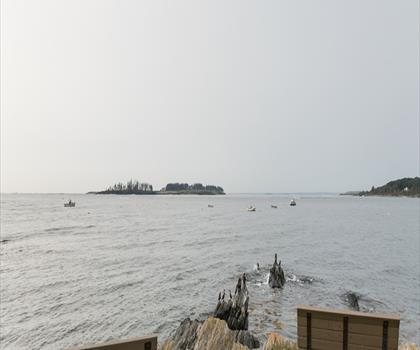
Two Lights State Park
Greater Portland & Casco Bay
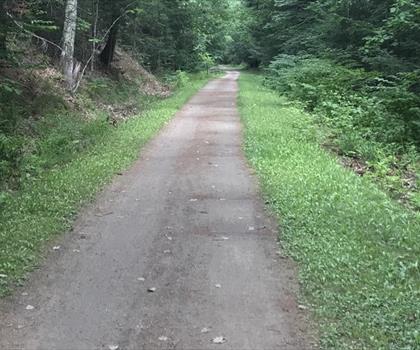
The Eastern Trail
Greater Portland & Casco Bay
Hiking near Portland
0 trails to explore ~16 km away
We work hard to provide the most up-to-date and error-free data possible. If something seems incorrect, let us know! Your contribution helps the whole community.
Hikers' opinions
Be the first to review!
No hiker has shared their experience yet. Share your impressions and help other hikers!