


Ready to explore Crystal Gorge Conservation Area? Here's everything you need to know before you go!
Discover the trail
Oh no! We don't have any photos 😢
This trail hasn't been captured yet. Be the first to share your adventure!Trail description
Crystal Gorge Conservation Area sits quietly in northeastern Massachusetts, offering hikers a genuine escape from the region's busier trail networks. This conservation area delivers what many New England destinations promise but don't always provide: well-maintained trails that feel genuinely removed from everyday noise, terrain that stays interesting throughout, and wildlife encounters that happen on nature's terms rather than yours.
At 2.4 kilometers with about 61 meters of elevation gain, the trail fits comfortably into an hour-long outing — long enough to feel like a real hike, short enough to work on a weekday evening or a casual weekend morning. The easy difficulty rating holds up in practice: the climbing is steady rather than punishing, and the paths are clear enough that you can spend more time looking around than watching your feet.
What the Trail Feels Like
The moment you step into Crystal Gorge, the ambient sounds shift noticeably. Brooks fed by reliable water sources keep the area lush even during drier stretches of summer, and the mixed forest canopy overhead creates genuine shade that makes warm-weather hiking more comfortable than you might expect. This isn't a trail that just passes through the woods — it moves through distinctly different environments, each with its own character.
Dense forest sections give way to open meadows where the landscape opens up and the hiking experience shifts from intimate tree-lined walking to broader countryside views. The transitions between these environments happen naturally, which is part of what makes the trail feel longer and more varied than its distance suggests. Rocky outcroppings add texture to the terrain, and stream crossings — particularly during spring runoff — keep you engaged and occasionally require a bit of careful footwork.
The 61 meters of elevation gain are distributed across the route rather than stacked into a single climb, so the effort stays manageable throughout. Beginners will find the gentler sections through the meadows and lower forest areas approachable, while the steeper stretches that lead to elevated viewpoints give more experienced hikers something to work toward.
Eagle's Peak
Eagle's Peak is the area's signature destination, and it earns that status honestly. The approach involves steady climbing through mixed terrain — forest paths, some rocky sections, and a final stretch that opens up as you gain elevation. The panoramic view from the top extends well beyond what you'd expect from a modest climb, spreading out across the surrounding Massachusetts countryside in layers: nearby forest canopy, distant farmland, and on clear days, glimpses of more distant terrain.
Photographers have taken note of this spot not just for the obvious scenic value, but because the elevation and orientation create good lighting conditions throughout much of the day. It's the kind of viewpoint that makes the climb feel worthwhile the moment you arrive.
Wildlife and Natural Environment
Crystal Gorge's conservation mandate shows in the wildlife activity you'll encounter along the trail. Deer sightings are common enough that you should expect them, particularly during early morning or late afternoon. These aren't fleeting glimpses — the deer here seem relatively comfortable with human presence and often allow for extended observation before moving on.
Fox encounters are less predictable but happen regularly enough, especially in the meadow areas where they hunt for small prey. Bird diversity reflects the habitat variety: forest species in the wooded sections, meadow birds in the open areas, and water birds near the brooks and seasonal wetlands. The conservation area's careful trail placement and habitat protection allow these natural patterns to continue without excessive disruption.
Plant diversity becomes most apparent as the seasons shift. Spring brings wildflowers to the meadow areas, summer showcases the full forest canopy, and fall delivers the classic New England foliage experience that draws visitors to this part of Massachusetts every year.
Facilities and Practical Considerations
Designated picnic areas at Crystal Gorge are positioned to take advantage of natural clearings and pleasant views, making them worthwhile stops rather than afterthoughts. They work equally well for a post-hike meal or a mid-trail break during a longer exploration of the area.
Trail maintenance keeps paths clear and well-marked without over-engineering the experience. The infrastructure supports both solo outings and family visits without feeling geared toward one or the other. The one-hour timeframe makes Crystal Gorge accessible for a wide range of schedules — it's a complete outdoor experience that doesn't require clearing your entire day.
The Essential Hiking Checklist
Everything you need for your next hike. Bilingual, printable, 1 page.
Get your free hiking checklistRecommended gear for this trail
As an Amazon Associate I earn from qualifying purchases.


Ready to go?
Everything you need to know before you goStarting Point
The crystal gorge conservation area is located in Petersham, Massachusetts. To get to the start of the trails, take Route 32 west from Route 2. The entrance to the conservation area will be on the left.
When?
How much?
As an Amazon Associate I earn from qualifying purchases.
Affiliate links — LGPO may earn a commission at no extra cost to you.
- Hiking shoes Essential
- → Salomon Elixir Tour Mid WP · 203.38 $
- Layered clothing Essential
- Rain jacket Essential
- Trekking poles
- → Black Diamond Trail Ergo Cork · 69.99 $
- Headlamp
- → Petzl Actik Core 625 · 103.95 $
FAQ - Frequently asked questions
Everything you need to knowSimilar hikes nearby
Discover other trails you might enjoy

Holy Hill Conservation Area
Northeastern Massachusetts
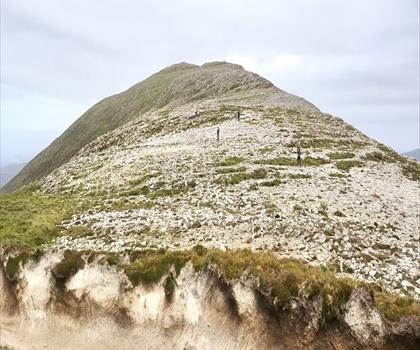
Ward Hill
Northeastern Massachusetts
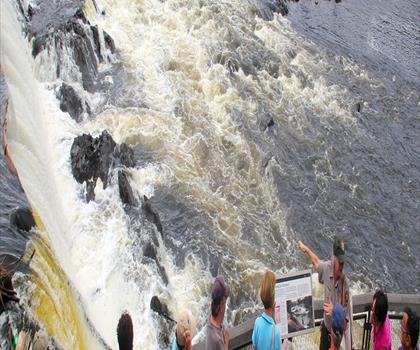
Pawtucket Falls
Northeastern Massachusetts

Camp Winnekeag Youth Camp
Northeastern Massachusetts
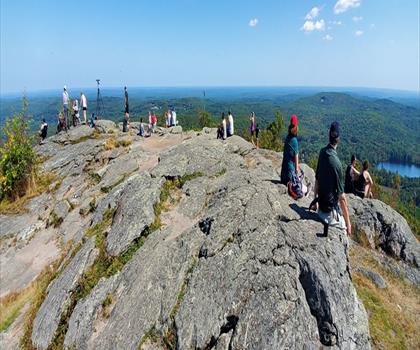
Mt Watatic
Northeastern Massachusetts

Mass Audubon's Flat Rock Wildlife Sanctuary
Northeastern Massachusetts
Hiking near Manchester
0 trails to explore ~32 km away
We work hard to provide the most up-to-date and error-free data possible. If something seems incorrect, let us know! Your contribution helps the whole community.
Hikers' opinions
Be the first to review!
No hiker has shared their experience yet. Share your impressions and help other hikers!