


Ready to explore D.W. Field Park? Here's everything you need to know before you go!
Discover the trail
Oh no! We don't have any photos 😢
This trail hasn't been captured yet. Be the first to share your adventure!Trail description
Description
D.W. Field Park sprawls across 700 acres of varied terrain straddling the Brockton-Avon border, making it one of the South Shore's most substantial outdoor recreation areas. This isn't your typical small-town park—the scale here allows for genuine wilderness experiences just minutes from suburban neighborhoods, with enough trail variety to keep regular visitors discovering new routes for months.
The park's trail network weaves through distinctly different ecosystems, from dense hardwood forests where maples and oaks create a canopy overhead to open meadowlands that burst with wildflowers in spring and summer. The terrain rolls gently throughout most of the park, with the notable exception of Tower Hill, which provides the area's most significant elevation change and serves as a natural landmark visible from multiple trail approaches.
Trail System and Navigation
The seven-mile loop road forms the backbone of the park's circulation system, functioning as both a recreational path and a navigation aid for hikers exploring the interior trail network. This paved loop accommodates walkers, joggers, and cyclists while providing multiple access points to the more secluded dirt trails that branch into the wooded sections. The road's gentle grade makes it accessible for families with young children or anyone preferring a more predictable walking surface.
Beyond the main loop, the trail system branches into numerous footpaths of varying difficulty. These dirt trails range from wide, well-maintained paths suitable for casual hikers to narrower routes that require more attention to footing and navigation. The network connects the park's key features—its ponds, meadows, and forested hills—in logical sequences that allow hikers to customize their route length and difficulty based on time and energy levels.
For those looking to cover more ground, the complete circuit combining the loop road with interior trails creates a satisfying route that showcases the park's full range of environments. The interconnected design means you can easily bail out at multiple points if weather changes or energy levels dictate a shorter adventure.
Water Features and Scenic Highlights
Waldo Lake anchors the park's southern section, offering a substantial body of water surrounded by mixed forest and open shoreline areas. The lake's perimeter provides some of the park's most peaceful hiking, with several spots ideal for extended breaks or picnicking. The water attracts diverse bird life throughout the year, making the lake area particularly rewarding for wildlife observation during early morning or late afternoon visits.
Upper Porter Pond, smaller but equally scenic, sits in a more secluded section of the park surrounded by denser woodland. The pond's quieter setting often provides better opportunities for spotting local wildlife, including the various waterfowl species that use the park's water features for feeding and nesting. The trail around Upper Porter Pond connects to several of the park's more challenging interior routes, making it a natural waypoint for longer explorations.
Both water features reflect the surrounding forest canopy beautifully, creating mirror-like surfaces on calm days that double the visual impact of the scenery. These areas also provide natural cooling during summer hikes and serve as reliable landmarks for navigation throughout the trail system.
Tower Hill and Panoramic Views
The stone tower on Tower Hill represents both the park's highest point and its most distinctive landmark. The climb to reach the tower involves the park's steepest terrain, with about 30 meters of elevation gain from the surrounding trail level. While not technically demanding, the ascent provides a noticeable workout and serves as the park's primary physical challenge for hikers seeking more than a casual walk.
From the tower's summit, the view encompasses much of the South Shore region, extending across the park's full 700 acres and beyond to the surrounding communities. The panoramic perspective reveals the park's layout and helps visitors understand the relationship between its various sections and features. During fall foliage season, this elevated viewpoint becomes particularly spectacular as the surrounding forest canopy displays its full range of autumn colors.
The tower itself adds a unique architectural element to the natural landscape, creating photo opportunities that blend human craftsmanship with the surrounding wilderness. The structure provides shelter during sudden weather changes and serves as a memorable destination that gives purpose to the uphill effort required to reach it.
Wildlife and Natural Features
The park's diverse habitats support an impressive variety of bird species throughout the year. The combination of water features, open meadows, and mature forest creates ideal conditions for both resident and migratory birds. Birdwatchers regularly spot various waterfowl around the lakes and ponds, while the forested sections host numerous songbird species and occasional raptors.
The changing seasons dramatically transform the park's character and wildlife activity. Spring brings migrating birds and emerging wildflowers in the meadow areas. Summer offers full forest canopy and active wildlife around the water features. Fall delivers the region's famous foliage display, while winter opens up sight lines through the bare deciduous trees and can provide opportunities for snow-based activities when conditions permit.
The mature hardwood forest creates a classic New England woodland experience, with towering trees that have had decades to develop the complex understory that supports diverse wildlife populations. This forest maturity distinguishes D.W. Field Park from many smaller regional parks that lack the time and space for such ecological development.
Planning Your Visit
The park's size and trail variety make it suitable for visits ranging from quick one-hour walks to extended half-day explorations. A typical visit covering the main highlights—including the loop road, one of the major water features, and the tower climb—requires two to three hours at a comfortable pace with time for breaks and wildlife observation.
The trail system's interconnected nature allows visitors to easily adjust their route length based on available time or energy levels. Multiple access points along the loop road provide convenient exit options, while the network of interior trails offers opportunities to extend any hike into more remote sections of the park.
Photographers will find the park particularly rewarding during the golden hours of early morning and late afternoon, when the light filtering through the forest canopy creates dramatic contrasts and the wildlife activity around the water features peaks. The seasonal changes provide completely different photographic opportunities throughout the year, from spring wildflowers to autumn foliage to winter's stark beauty.
The park's location within the South Shore region makes it easily accessible from the greater Boston area while providing a genuine escape into natural surroundings. Its substantial size ensures that even on busy weekends, hikers can find quiet sections and experience the sense of wilderness that makes D.W. Field Park a standout destination among the region's outdoor recreation options.
Recommended gear for this trail


Ready to go?
Everything you need to know before you goStarting Point
The easiest way to get to the start of the trails at the d.w. field park is to drive there.
When?
How much?
- Hiking shoes Essential
- → Salomon Elixir Tour Mid WP · 203.38 $
- Layered clothing Essential
- Rain jacket Essential
- Trekking poles
- → Black Diamond Trail Ergo Cork · 69.99 $
- Headlamp
- → Petzl Actik Core 625 · 103.95 $
FAQ - Frequently asked questions
Everything you need to know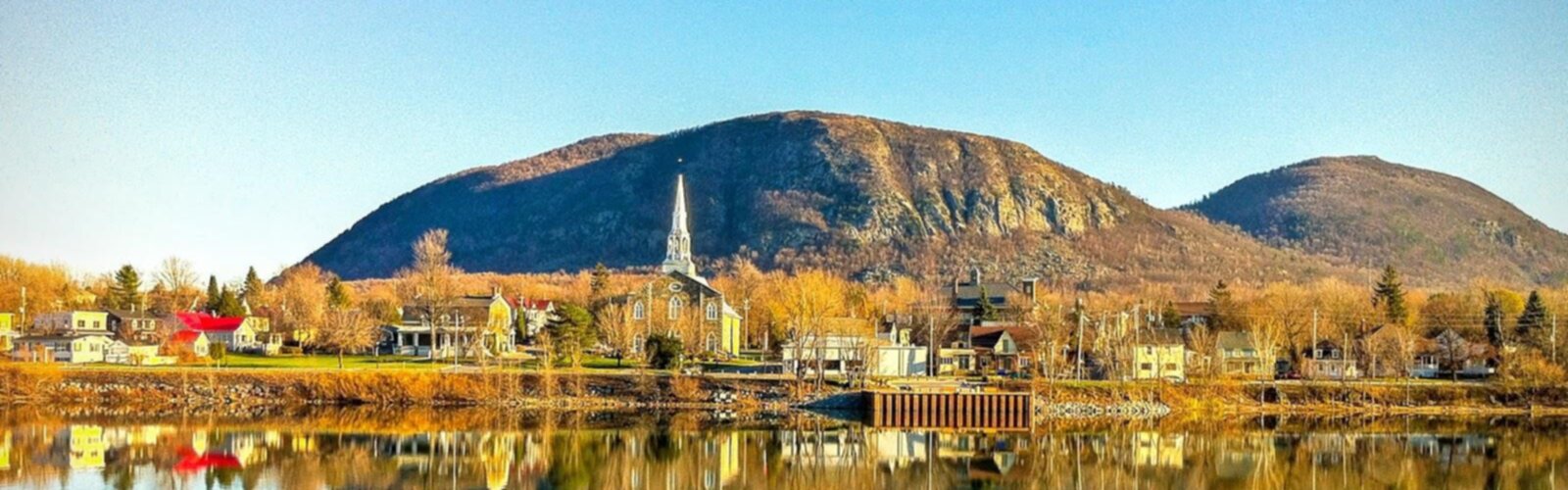
25 hikes under 2 hours from Montreal
Distance, elevation, parking and season for each one. The ones we go back to ourselves.
Get the guideSimilar hikes nearby
Discover other trails you might enjoy

Skyline Trail
South Shore
Borderland State Park
South Shore
Audubon Long Pond Woods Wildlife Refuge
South Shore
Thousand Acre Swamp
South Shore
Webb Memorial State Park
South Shore
World's End
South Shore
Hiking near Boston
0 trails to explore ~29 km away
We work hard to provide the most up-to-date and error-free data possible. If something seems incorrect, let us know! Your contribution helps the whole community.
Hikers' opinions