

Ready to explore Old Indian Meeting House? Here's everything you need to know before you go!
Discover the trail
Trail description
The Old Indian Meeting House in Mashpee offers a unique combination of cultural heritage and outdoor exploration on Cape Cod. Built in 1684, this National Historic Landmark stands as the oldest Native American church in the United States and serves as both a significant Wampanoag cultural site and an excellent starting point for hiking adventures in one of Massachusetts' most distinctive regions.
Located in the heart of Mashpee, the meeting house sits within a landscape that tells the story of centuries of Native American presence on Cape Cod. The simple wooden structure, with its weathered shingles and traditional New England architecture, provides a contemplative focal point for visitors interested in the intersection of history and nature. The Wampanoag people have maintained their connection to this land for thousands of years, and the meeting house represents a tangible link to that enduring relationship.
Trail Network and Terrain
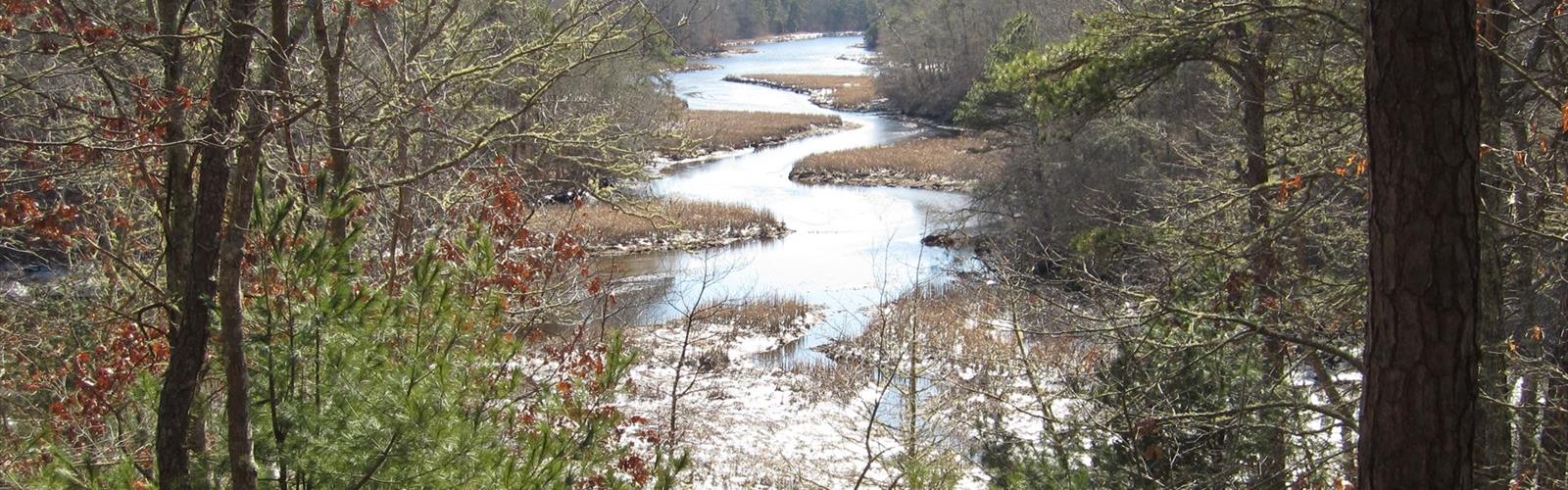
The trail system surrounding the Old Indian Meeting House caters to hikers of all experience levels, with gentle paths winding through diverse Cape Cod ecosystems. These well-maintained trails traverse a mix of lush woodlands dominated by oak, pine, and maple trees, interspersed with open meadows that showcase the region's characteristic scrubland vegetation. The relatively flat terrain makes this an ideal destination for families, beginning hikers, or anyone seeking a peaceful walk without significant physical demands.
The woodland sections feature sandy soil typical of Cape Cod, with trails that remain accessible year-round thanks to excellent drainage. During spring and early summer, the forest floor comes alive with native wildflowers, while autumn transforms the canopy into a spectacular display of reds, oranges, and golds. The open field areas provide opportunities to observe the unique pitch pine and scrub oak communities that define much of Cape Cod's interior landscape.
Trail surfaces vary from packed earth to sandy paths, with occasional wooden boardwalks crossing wetter areas. The network connects to several conservation properties in the vicinity, allowing hikers to extend their exploration beyond the immediate meeting house grounds. Clear trail markers and interpretive signs help visitors navigate while learning about both the natural environment and cultural significance of the area.
Wildlife and Natural Features
The diverse habitats around the Old Indian Meeting House support an impressive array of Cape Cod wildlife. Birdwatchers will find excellent opportunities to spot both year-round residents and seasonal migrants. Common species include cardinals, blue jays, and various woodpecker species in the forested areas, while the open fields attract hawks, turkey vultures, and during migration periods, various warbler species.
The transition zones between forest and field create ideal conditions for observing white-tailed deer, particularly during early morning or late afternoon visits. Small mammals such as chipmunks, gray squirrels, and the occasional red fox also inhabit the area. The diverse plant communities support numerous butterfly species during warmer months, making this an excellent location for nature photography.
Seasonal changes bring different wildlife viewing opportunities. Spring migration brings various songbird species, while summer offers the best conditions for observing the full range of local fauna. Fall migration periods can be particularly rewarding for birdwatchers, and winter provides opportunities to observe year-round residents and track various animal signs in the snow.
Cultural and Historical Context
Hiking around the Old Indian Meeting House provides more than just physical exercise; it offers insight into the deep cultural history of the Wampanoag people and their relationship with the Cape Cod landscape. The meeting house itself continues to serve the Mashpee Wampanoag community, and visitors should approach the site with appropriate respect for its ongoing cultural significance.
The surrounding trails pass through landscapes that have been shaped by both natural processes and centuries of human interaction. Traditional Wampanoag land management practices, including controlled burning and selective harvesting, helped create and maintain the diverse ecosystems that hikers enjoy today. Understanding this history adds depth to the hiking experience and helps visitors appreciate the complex relationship between human communities and natural environments.
Interpretive materials available at the site provide context for understanding how the Wampanoag people utilized different areas of the landscape for various purposes, from gathering medicinal plants to hunting and fishing. This cultural perspective enhances appreciation for the natural features encountered along the trails.
Extended Exploration Opportunities
The Old Indian Meeting House serves as an excellent base for exploring the broader network of conservation areas and state parks in the Mashpee region. Nearby properties offer additional hiking opportunities, from coastal walks to more extensive woodland trails. The proximity to other Cape Cod attractions makes it possible to combine historical and cultural exploration with extended outdoor adventures.
Several conservation areas within a short drive provide different hiking experiences, from coastal environments to larger forest preserves. These connections allow visitors to experience the full range of Cape Cod's natural diversity while maintaining the Old Indian Meeting House as a central point of reference.
The location also offers excellent opportunities for combining hiking with other outdoor activities. The nearby coastline provides options for beachcombing, while local ponds offer fishing and wildlife viewing opportunities. Picnic areas in the vicinity make it easy to extend visits and enjoy meals surrounded by the natural beauty of Cape Cod.
Practical Considerations
The trails around the Old Indian Meeting House remain accessible throughout the year, though conditions vary seasonally. Spring and fall offer the most comfortable temperatures and excellent wildlife viewing, while summer provides lush vegetation and active bird life. Winter hiking is possible and offers a different perspective on the landscape, though visitors should be prepared for potentially muddy or icy conditions.
The gentle terrain and well-maintained trails make this destination suitable for hikers with varying physical abilities. Families with children will find the combination of manageable distances, interesting wildlife, and historical significance particularly appealing. The estimated duration of two to three hours allows for a leisurely pace with time for observation and reflection.
The Essential Hiking Checklist
Everything you need for your next hike. Bilingual, printable, 1 page.
Get your free hiking checklistRecommended gear for this trail
As an Amazon Associate I earn from qualifying purchases.


Ready to go?
Everything you need to know before you goStarting Point
The old indian meeting house is located in Mashpee, Massachusetts. To get to the start of the trails, take exit 9 off of Route 6 and head south on Route 130. The meeting house will be on your right.
When?
How much?
As an Amazon Associate I earn from qualifying purchases.
Affiliate links — LGPO may earn a commission at no extra cost to you.
- Hiking shoes Essential
- → Salomon Elixir Tour Mid WP · 203.38 $
- Layered clothing Essential
- Rain jacket Essential
- Trekking poles
- → Black Diamond Trail Ergo Cork · 69.99 $
- Headlamp
- → Petzl Actik Core 625 · 103.95 $
FAQ - Frequently asked questions
Everything you need to knowHiking near Providence
0 trails to explore ~81 km away
We work hard to provide the most up-to-date and error-free data possible. If something seems incorrect, let us know! Your contribution helps the whole community.
Hikers' opinions
Be the first to review!
No hiker has shared their experience yet. Share your impressions and help other hikers!