

Ready to explore Mohawk Trail State Forest? Here's everything you need to know before you go!
Discover the trail
Trail description
Mohawk Trail State Forest sprawls across 6,000 acres of pristine wilderness in western Massachusetts, offering some of the most diverse hiking terrain in the Berkshires. This expansive forest sits along the historic Mohawk Trail scenic highway, where ancient Native American trading routes wind through valleys carved by the Cold River and Deerfield River systems. The landscape here shifts dramatically from riverside meadows to steep mountain slopes, creating a hiking experience that feels much larger than its actual footprint.
Trail Network and Hiking Options
The forest's trail system caters to every skill level, with the network built around two main arteries that showcase different aspects of this varied landscape. The Mahican-Mohawk Trail serves as the forest's signature route, following the path that Native American tribes used for centuries to traverse these mountains. This historic trail hugs the contours of the Deerfield River Valley, offering consistent views of the water below while winding through groves of towering hemlocks and white pines—some reaching heights that rank among Massachusetts' tallest trees.
The terrain along the Mahican-Mohawk Trail alternates between gentle riverside sections and moderate climbs that gain elevation gradually. You'll cross several small tributaries on wooden bridges, pass through dense hemlock groves that create cathedral-like spaces even on bright days, and emerge onto rocky outcrops with sweeping valley views. The trail surface varies from soft forest floor covered in pine needles to rocky sections that require careful footing, especially when wet.
For hikers seeking more challenging terrain, the Todd Mountain Trail provides a demanding climb that rewards effort with panoramic vistas from its summit. This trail gains elevation more aggressively, switchbacking up the mountainside through mixed hardwood forests that transition to more exposed terrain near the top. The final approach involves some scrambling over granite ledges, but the 360-degree views from Todd Mountain's summit encompass the entire Deerfield River Valley and extend to distant peaks in Vermont and New Hampshire on clear days.
The estimated duration for most hikes in the forest ranges from 3 to 4 hours, though this varies significantly depending on your chosen route and pace. The elevation gain of 457 meters applies primarily to the Todd Mountain Trail, while the riverside portions of the trail system involve minimal elevation change.
Natural Environment and Wildlife
The forest's ecosystem represents a transition zone where northern hardwood forests meet the hemlock-dominated valleys typical of western Massachusetts. The towering hemlocks and white pines create a distinctive canopy that supports diverse wildlife populations. Black bears inhabit these woods, though encounters remain rare due to the forest's size and the bears' naturally elusive behavior. White-tailed deer are more commonly spotted, especially during early morning or late afternoon hikes when they venture into clearings to feed.
Birdwatchers will find the forest particularly rewarding, as the varied habitats support species ranging from deep-woods dwellers like pileated woodpeckers and barred owls to riverside birds such as belted kingfishers and great blue herons. The mix of coniferous and deciduous trees creates ideal nesting conditions for numerous songbird species, making spring and early summer especially active periods for bird activity.
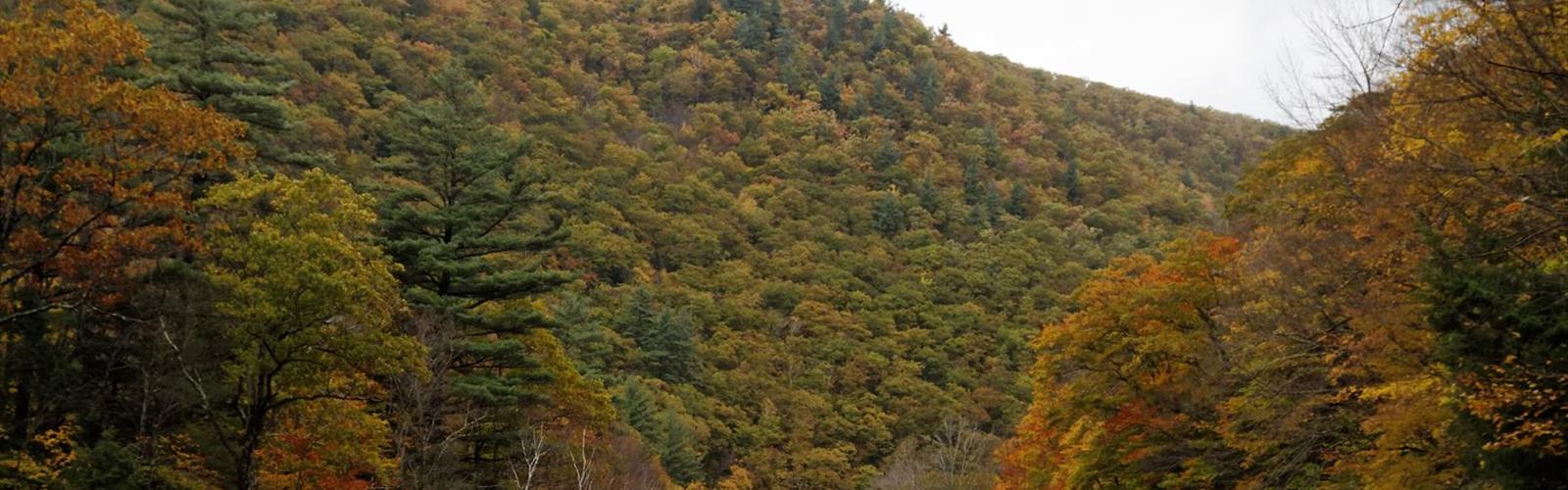
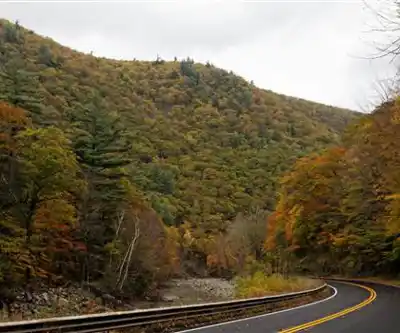
Autumn transforms the forest into one of Massachusetts' premier foliage destinations. The hardwood sections explode in vibrant reds, oranges, and yellows, while the evergreen groves provide deep green contrast that intensifies the surrounding colors. Peak foliage typically occurs in early to mid-October, when the combination of elevation changes and diverse tree species creates a prolonged display that can vary dramatically even within a single hike.
Camping and Extended Stays
The forest maintains rustic camping facilities along the Cold River, where the sound of flowing water provides a natural soundtrack for overnight stays. These campsites offer a genuine backcountry experience while remaining accessible to day hikers who want to extend their visit. The riverside location means cooler temperatures during summer months and easy access to water for cooking and cleaning, though all water should be properly treated before consumption.
Camping here puts you at the center of the trail network, allowing for early morning starts when wildlife activity peaks and the trails are less crowded. The sites accommodate tents of various sizes, and the forest floor provides natural cushioning that makes for comfortable sleeping with proper gear.
Historical Significance
Hiking through Mohawk Trail State Forest means walking paths that have been used for transportation and trade for thousands of years. The Mahican and Mohawk tribes established these routes as vital links between the Connecticut River Valley and points west, creating a network that European settlers later adapted into colonial roads. The modern Mohawk Trail scenic highway, designated as one of America's first scenic byways in the early 1900s, follows much of this ancient route.
Evidence of this long history appears throughout the forest in the form of old stone walls, cellar holes from 19th-century homesteads, and sections of trail that show clear signs of having been major thoroughfares. These historical elements add depth to the hiking experience, connecting modern visitors to the generations of people who have found these mountains both challenging and rewarding.
Seasonal Considerations
Mohawk Trail State Forest offers year-round access, with each season providing distinct advantages for different types of outdoor experiences. Winter hiking requires proper equipment and experience, as snow can obscure trail markers and create challenging conditions on the steeper sections. However, the snow-covered landscape offers a serene beauty and solitude that many hikers find deeply rewarding.
Spring brings wildflowers to the forest floor and increased water flow in streams and waterfalls, though mud season can make some trails challenging. Summer provides the most comfortable hiking conditions and the longest daylight hours, while autumn delivers the spectacular foliage display that draws visitors from across New England. Each season requires different preparation and offers unique rewards for those willing to adapt their expectations and gear accordingly.
The Essential Hiking Checklist
Everything you need for your next hike. Bilingual, printable, 1 page.
Get your free hiking checklistRecommended gear for this trail
As an Amazon Associate I earn from qualifying purchases.


Ready to go?
Everything you need to know before you goStarting Point
The mohawk trail state forest is located in Massachusetts. To get to the start of the trails, take Route 2 to the Charlemont exit. Turn onto Route 8 and go about 1 mile. The entrance to the state forest will be on your left.
When?
How much?
As an Amazon Associate I earn from qualifying purchases.
Affiliate links — LGPO may earn a commission at no extra cost to you.
- Hiking shoes Essential
- → Salomon Elixir Tour Mid WP · 203.38 $
- Layered clothing Essential
- Rain jacket Essential
- Trekking poles
- → Black Diamond Trail Ergo Cork · 69.99 $
- Headlamp
- → Petzl Actik Core 625 · 103.95 $
FAQ - Frequently asked questions
Everything you need to knowSimilar hikes nearby
Discover other trails you might enjoy
Stanley Park
Western Massachusetts
Tannery Falls
Western Massachusetts
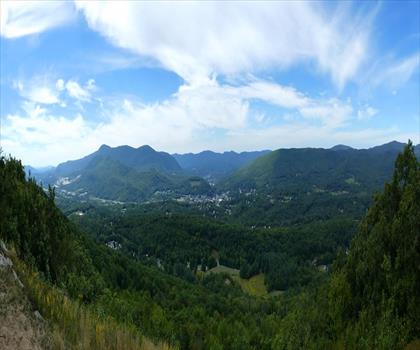
Hoosac Range Trail
Western Massachusetts
Old Mill Trail
Western Massachusetts

Six Flags New England
Western Massachusetts
Hiking near Springfield
0 trails to explore ~66 km away
We work hard to provide the most up-to-date and error-free data possible. If something seems incorrect, let us know! Your contribution helps the whole community.
Hikers' opinions
Be the first to review!
No hiker has shared their experience yet. Share your impressions and help other hikers!