
By your level
Short and easy or more demanding: find a hike that suits your experience and your mood.
See all trails in Las Vegas Valleyor pick your starting city — the number is how many trails we list.

Ten ideas. Reasons to pick each one.
Compare 10 hiking ideas in Las Vegas Valley: the duration and the level, then open the trail page for the details.
See the 10 hikesThree guideposts to compare the ideas in this selection.
The experience
Outings with a good mix of moods and challenges in Las Vegas Valley.
The scenery
Panoramas, forests and remarkable natural settings.
Who it suits
Outings for different levels and moods, from a serious challenge to an easy stroll.
See the trail page
1 hr 30 min Moderate
See the trail page5 hr 30 min Hard
See the trail pageSee the trail page
See the trail page
1 hr Easy
See the trail page1 hr 45 min Moderate
See the trail pageShort and easy or more demanding: find a hike that suits your experience and your mood.
See all trails in Las Vegas ValleyFall colours, snowy summits, spring flowers: every season offers a different experience.
Explore all regionsAccess, booking, dogs and weather: check the trail page and the site manager.
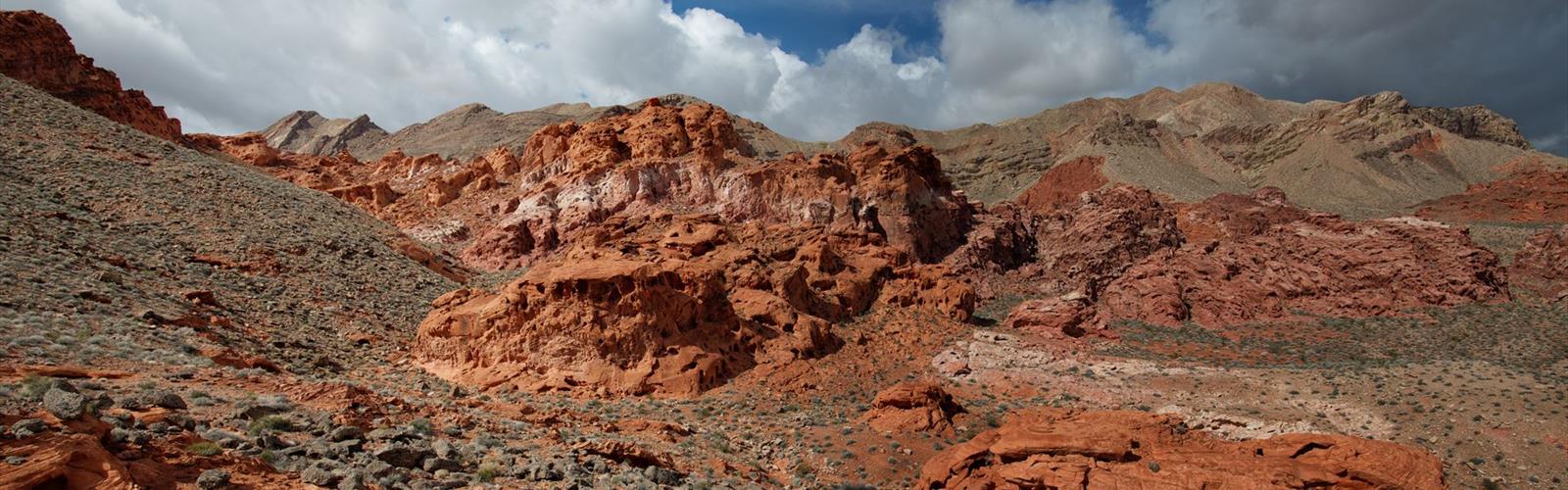
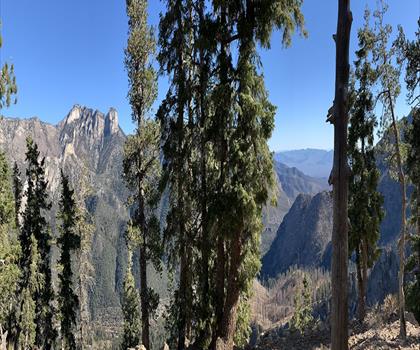
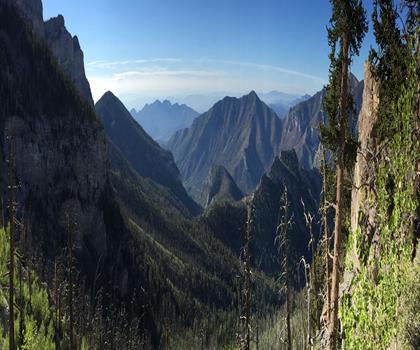
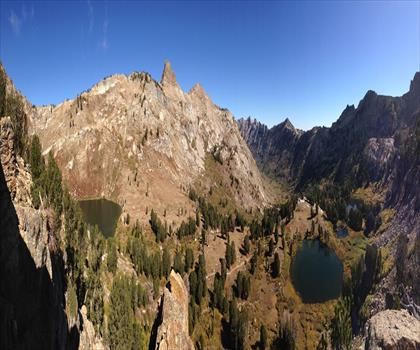
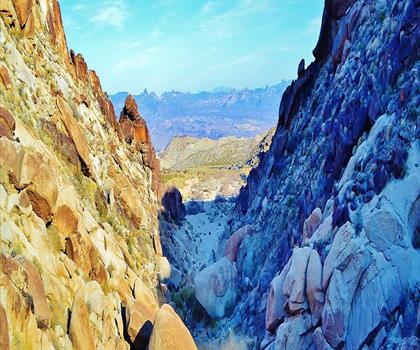
Las Vegas offers exceptional hiking trails including Red Rock Canyon's scenic loops, Valley of Fire's colorful rock formations, and Mount Charleston's cooler alpine trails. The area features diverse desert landscapes with stunning views of the surrounding mountains and valleys. Popular options range from easy nature walks to challenging summit hikes.
The best hiking season in Las Vegas is from October through April when temperatures are cooler and more comfortable for outdoor activities. Summer months (May-September) can be extremely hot with temperatures exceeding 100°F, making early morning hikes essential. Winter offers the most pleasant conditions with mild temperatures and clear skies.
Yes, Las Vegas has many beginner-friendly hiking trails with well-marked paths and moderate terrain. Areas like Red Rock Canyon and Lake Mead offer easy to moderate trails perfect for those new to hiking. Many trails feature interpretive signs and are easily accessible from the city.
Most Las Vegas hiking areas offer designated parking at trailheads, including Red Rock Canyon Scenic Drive and Valley of Fire State Park. Some popular spots like Mount Charleston have multiple parking areas along the mountain roads. Arrive early during peak season as parking can fill up quickly at popular trails.
Yes, many hiking trails in Las Vegas are completely free to access, including trails around Lake Mead and some Mount Charleston areas. However, popular destinations like Red Rock Canyon require a small entrance fee for the scenic drive. Valley of Fire State Park also charges a modest day-use fee.
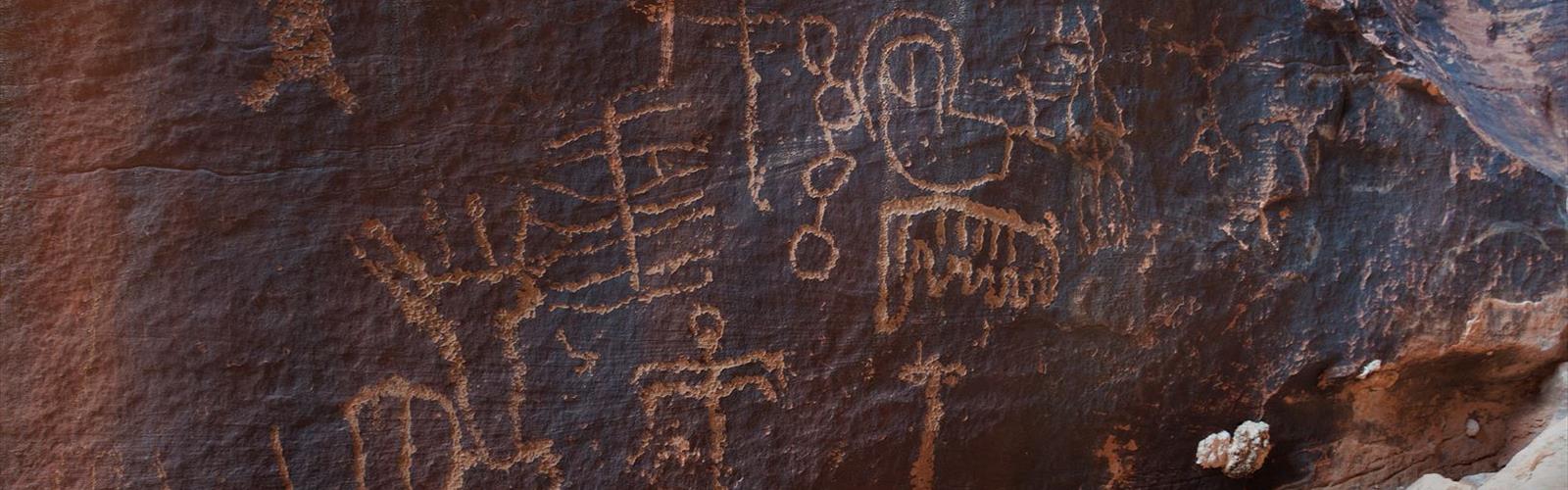
Las Vegas offers numerous family-friendly hiking trails with shorter distances and easier terrain suitable for children. Trails like the Petroglyph Canyon and easier Red Rock Canyon loops provide educational opportunities and manageable distances. Always bring plenty of water and sun protection when hiking with kids in the desert climate.
While many popular Las Vegas hiking trails are well-marked, carrying a map or GPS device is highly recommended for safety. The desert terrain can be disorienting, and some trails have multiple branches or unmarked sections. Download offline maps or carry physical trail maps, especially for longer or more remote hikes.
Discover our rankings for neighboring regions

Free guide: 25 hikes under 2 hours from Montreal
Distance, elevation, parking and season for each one. The ones we go back to ourselves.
Get the guide