What are the best hiking trails in Northern Nevada?
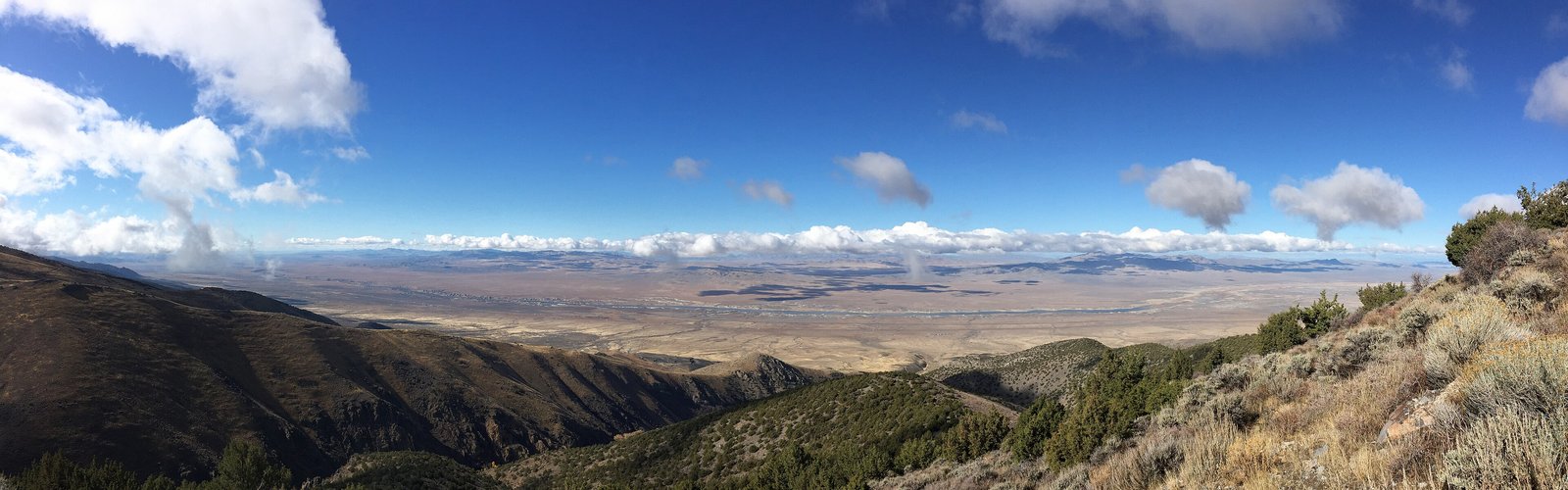
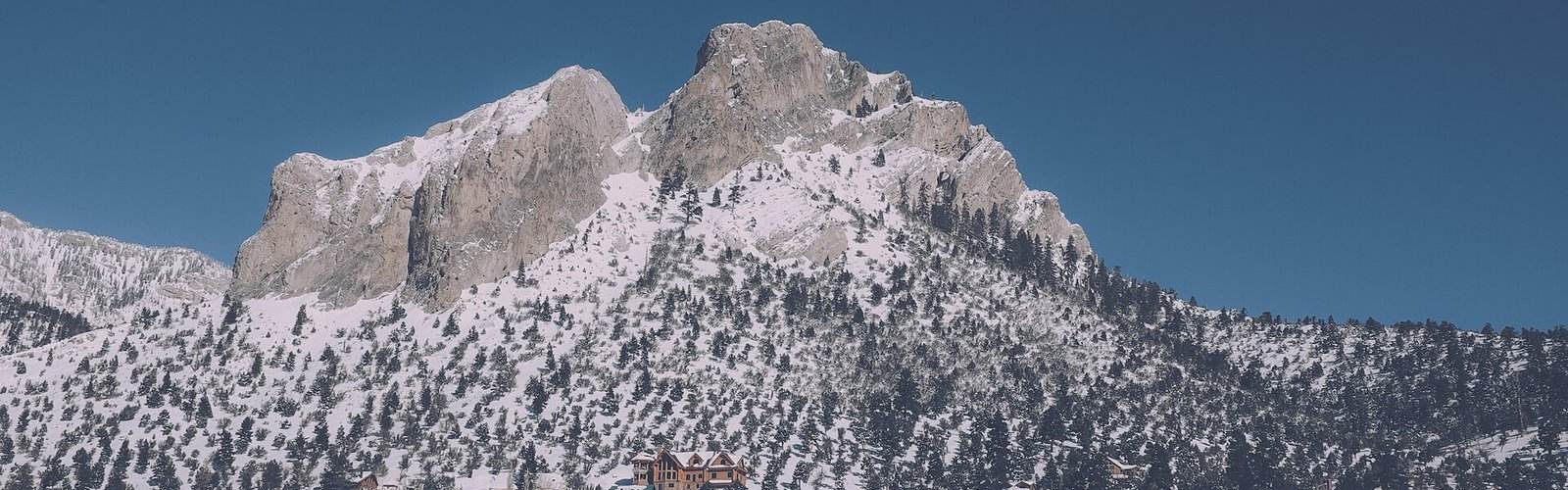
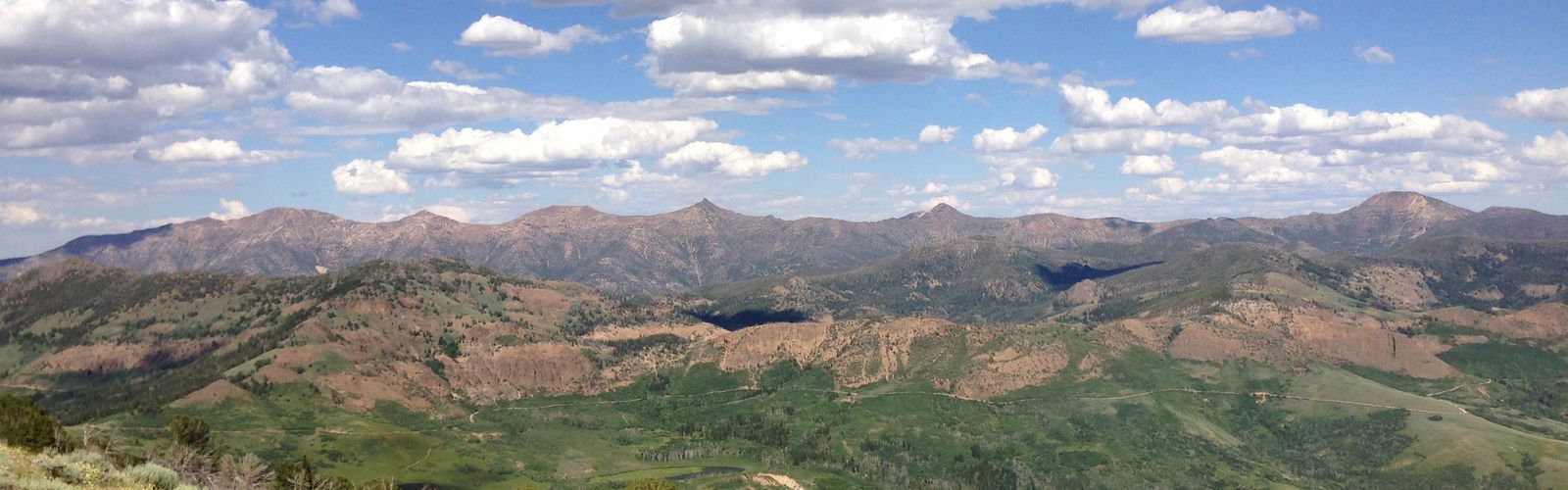
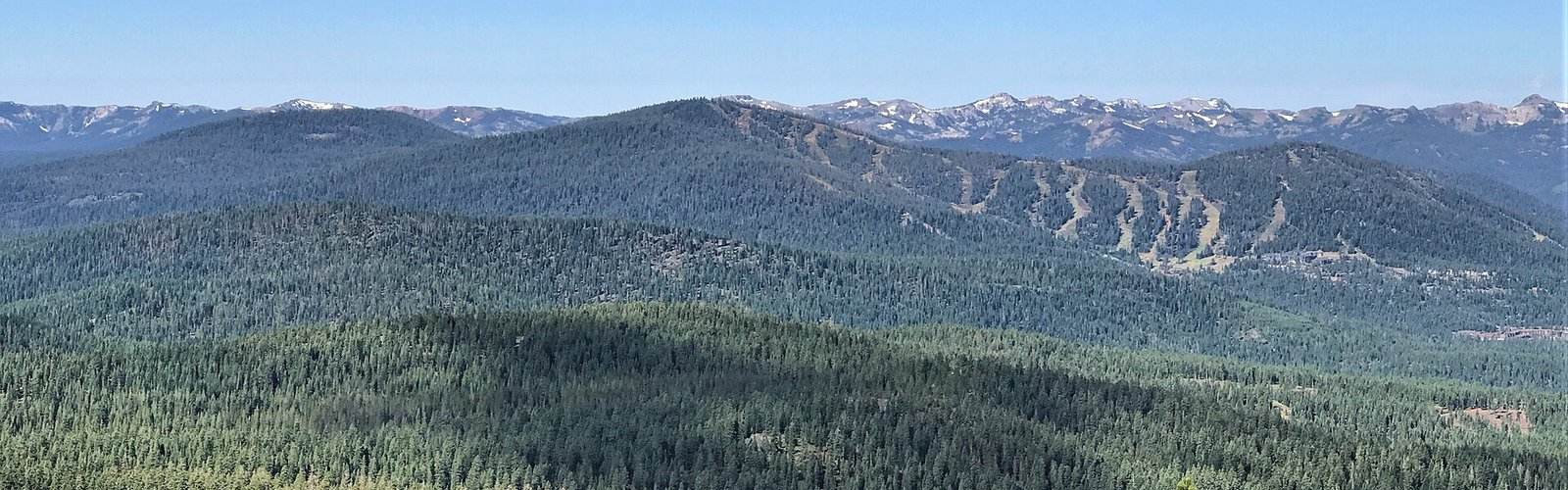
Northern Nevada offers exceptional hiking opportunities with trails ranging from desert landscapes to alpine environments. Popular destinations include the Ruby Mountains, Lake Tahoe area, and various wilderness areas throughout the region. The diverse terrain provides options for all skill levels, from easy nature walks to challenging mountain ascents.
What is the best season for hiking in Northern Nevada?
The best hiking season in Northern Nevada is typically late spring through early fall (May to October). Summer months offer the most accessible trails, though higher elevations may have snow into June. Winter hiking is possible at lower elevations, but many mountain trails become inaccessible due to snow.
Is Northern Nevada good for beginner hikers?
Yes, Northern Nevada has many beginner-friendly hiking options with well-marked trails and moderate terrain. The region offers numerous easy to moderate trails that are perfect for those new to hiking. Many trails feature interpretive signs and clear pathways, making them ideal for building hiking confidence.
Are there free hiking trails in Northern Nevada?
Most hiking trails in Northern Nevada are free to access, particularly those on public lands managed by the Forest Service and BLM. Some state parks may charge entrance fees, but the majority of wilderness areas and national forest trails have no cost. Always check current regulations as some areas may require permits for overnight camping.
What outdoor activities can you do in Northern Nevada?
Northern Nevada offers diverse outdoor activities including hiking, camping, fishing, rock climbing, and wildlife viewing. The region's varied landscape supports activities like mountain biking, horseback riding, and photography. Winter activities include snowshoeing and cross-country skiing in higher elevation areas.
Do you need a map for hiking in Northern Nevada?
Yes, carrying a map is highly recommended when hiking in Northern Nevada due to the remote nature of many trails. Cell phone coverage can be spotty in wilderness areas, so physical maps and compass are essential safety items. Many trails are well-marked, but weather conditions can obscure trail markers.