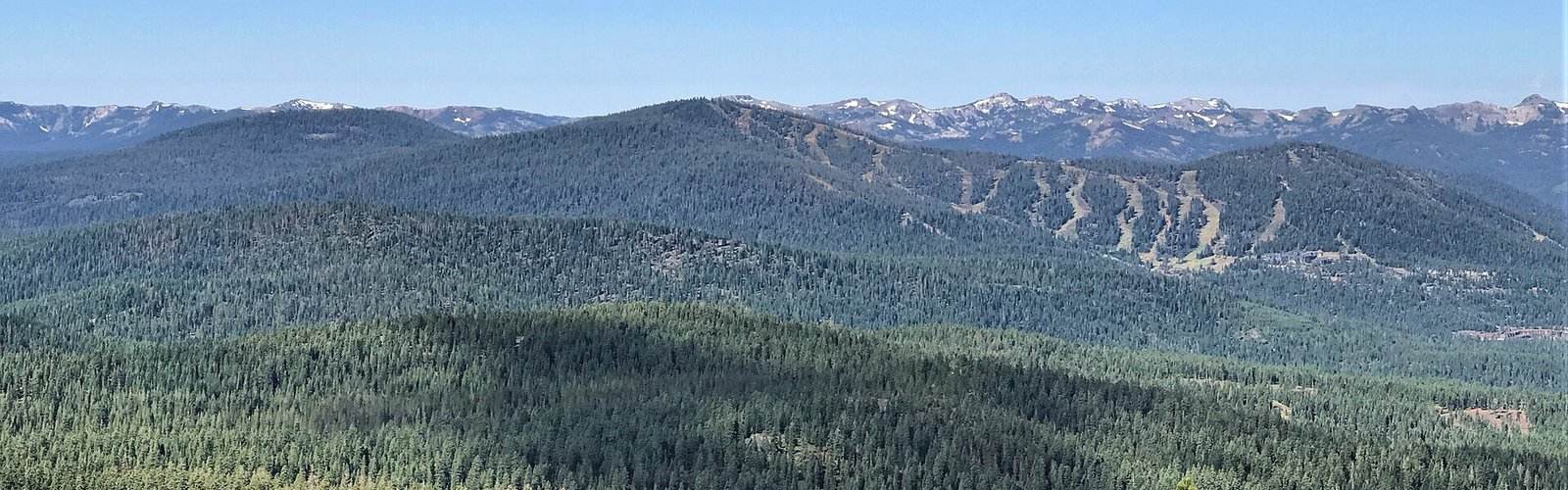
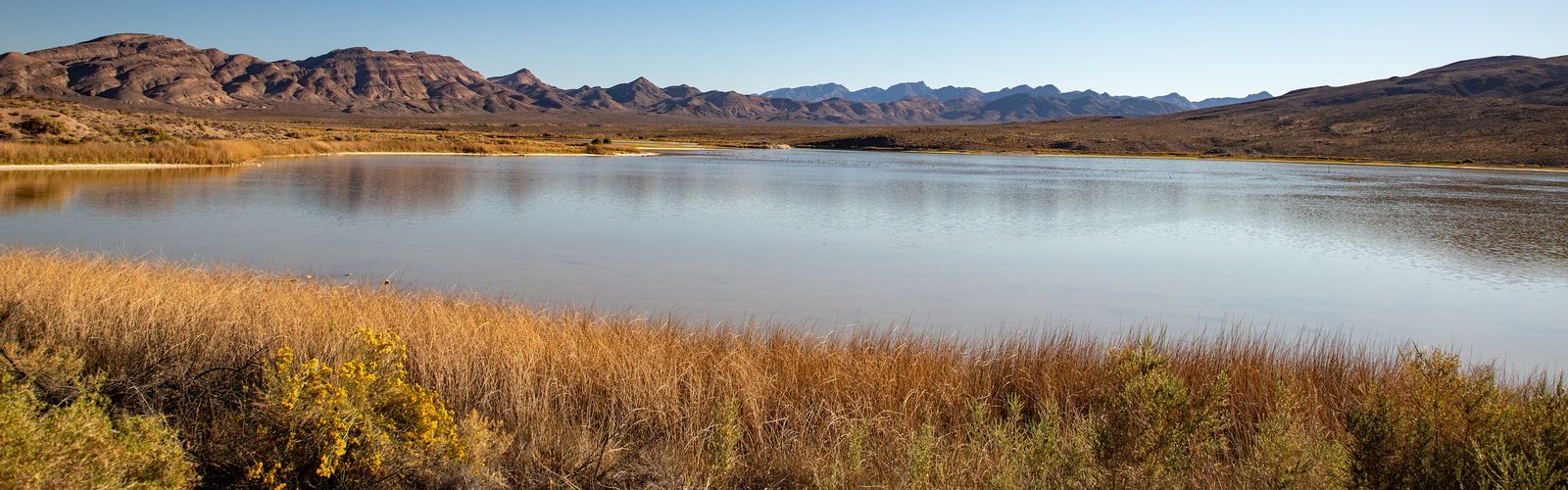
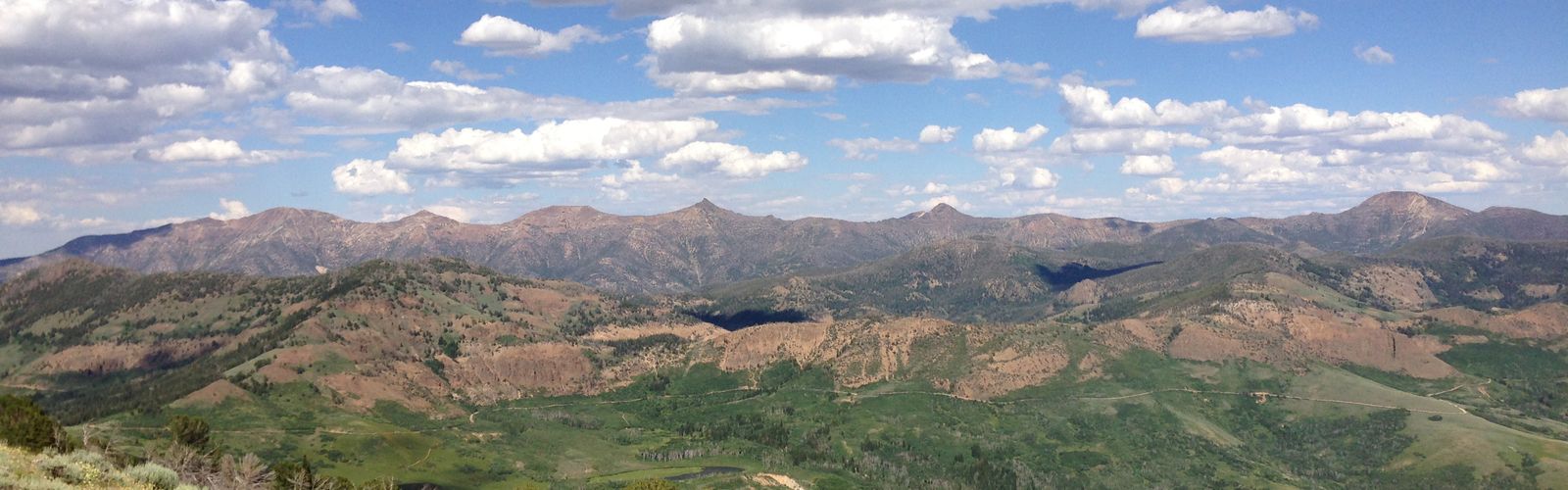
Mount Augusta, Nevada
- Dogs: to be confirmed
or pick your starting city — the number is how many trails we list.
Nevada · Northern Nevada
One outing. Just the right one.
Compare the 2 hiking trails in Northern Nevada by duration, level and access.
By François Dumaine · updated October 14, 2026
See the trails in Northern Nevada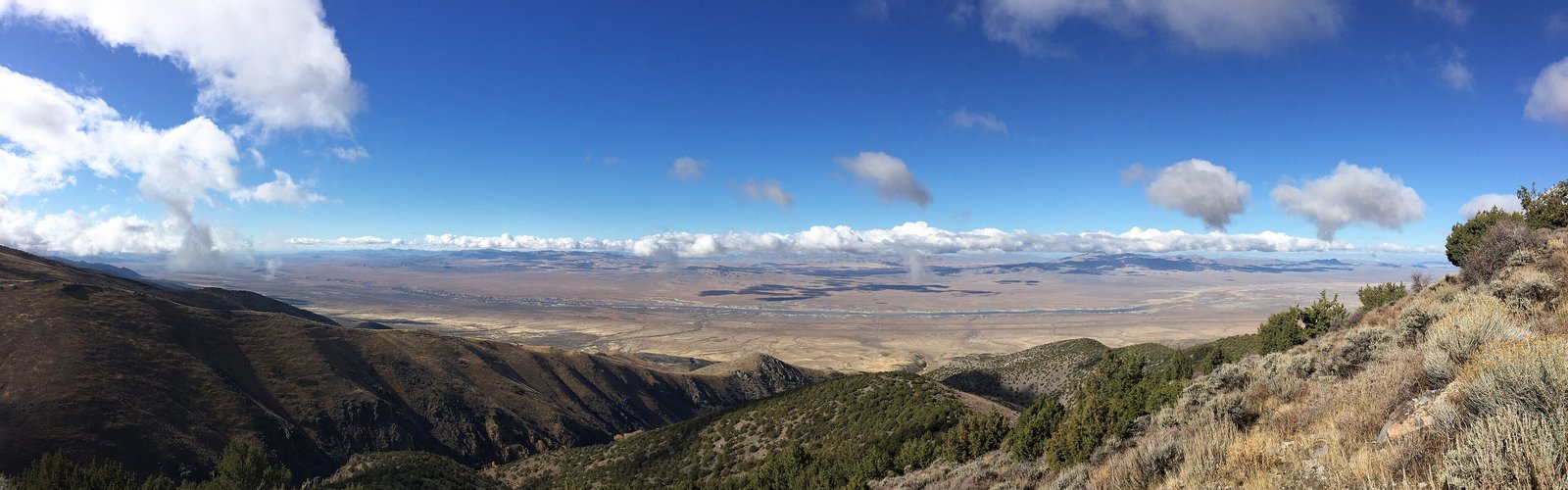
2 trails
No trail matches these filters.
Coordinates: LGPO database · map © OpenStreetMap contributors
Trails can close or change with the season: thaw, snow, maintenance. Each trail page links to the site manager, who publishes closures.
Our practical tipsThe dog rules are not yet confirmed on our trail pages for this region.
Our practical tipsCounts based on our 2 trails in Northern Nevada; details and sources are on each trail page.
We list 2.
Each trail page links to the site manager's website (park, municipality, reserve), which publishes closures and rules. During the thaw and after heavy rain, some trails may be closed.
Northern Nevada unveils a spectacular tapestry of high desert landscapes, alpine meadows, and rugged mountain ranges that create an outdoor enthusiast's paradise. This remarkable region offers some of the most diverse and rewarding hiking experiences in the American West, where vast wilderness areas meet pristine lakes and towering peaks.
The hiking trails of Northern Nevada showcase an extraordinary variety of ecosystems, from the dramatic granite spires of the Ruby Mountains to the pristine waters of Lake Tahoe's surrounding peaks. This region boasts unique geological formations, including ancient volcanic landscapes, glacial valleys, and high-altitude desert terrain that supports diverse wildlife populations. Hikers can encounter everything from sage grouse and wild horses in the lower elevations to mountain goats and bighorn sheep in the alpine zones.
The area's high elevation provides cooler temperatures during summer months, while the clear, dry air offers exceptional visibility for panoramic mountain vistas. Northern Nevada's relatively low population density means many trails remain uncrowded, providing authentic wilderness experiences just hours from major urban centers.
Northern Nevada's trail network encompasses some of the state's most iconic hiking destinations. The Ruby Mountains, often called the "Swiss Alps of Nevada," offer dramatic alpine scenery with pristine lakes and challenging peak ascents. The Lake Tahoe region provides world-class hiking with crystal-clear lake views and dense forest environments.
The Carson Range delivers excellent year-round hiking opportunities, while the Jarbidge Wilderness Area offers remote backcountry experiences for adventurous hikers seeking solitude. These diverse trail systems ensure that every hiker can find their perfect Northern Nevada adventure.
Northern Nevada hiking trails accommodate all skill levels and fitness capabilities. Beginners can enjoy gentle lakeside walks and interpretive nature trails that showcase the region's unique flora and fauna. Intermediate hikers will find numerous day hikes featuring moderate elevation gains and rewarding summit views.
Advanced hikers can tackle challenging multi-day backpacking routes, technical peak climbs, and remote wilderness traverses that test endurance and navigation skills. This diversity makes Northern Nevada an ideal destination for hiking groups with varying experience levels.
Northern Nevada's outdoor recreation opportunities extend far beyond traditional hiking. The region excels in rock climbing, with excellent granite formations and sport climbing areas. Mountain biking enthusiasts will discover extensive trail networks through varied terrain.
Winter transforms the landscape into a snowshoeing and cross-country skiing paradise. The numerous alpine lakes provide exceptional fishing opportunities, while the clear night skies make Northern Nevada perfect for stargazing and astronomical photography.
The optimal hiking season in Northern Nevada typically runs from late spring through early fall, with July through September offering the most reliable weather conditions. Higher elevation trails may remain snow-covered until mid-summer.
Hikers should prepare for rapid weather changes and carry layers, as mountain conditions can shift quickly. Essential gear includes sun protection, plenty of water, and navigation tools. Many trailheads require high-clearance vehicles, so research access roads beforehand. Always inform others of your hiking plans when venturing into remote areas.
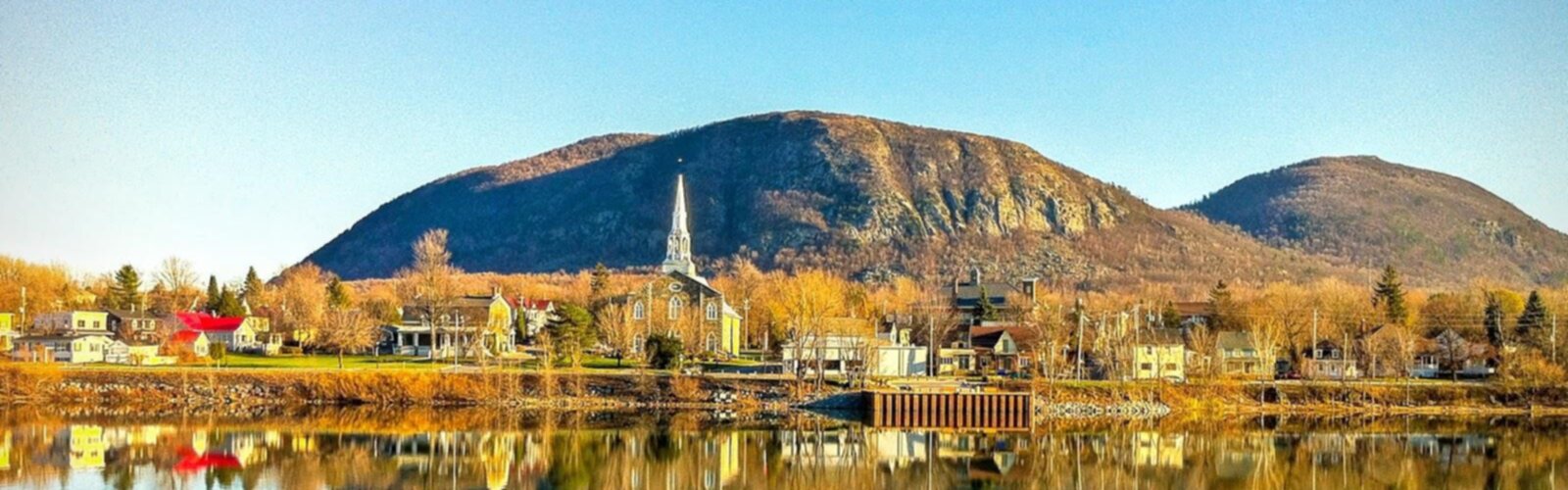
Free guide: 25 hikes under 2 hours from Montreal
Distance, elevation, parking and season for each one. The ones we go back to ourselves.
Get the guide