


Ready to explore Mt Cabot? Here's everything you need to know before you go!
Discover the trail
Oh no! We don't have any photos 😢
This trail hasn't been captured yet. Be the first to share your adventure!Trail description
Mt Cabot stands as the northernmost 4,000-footer in New Hampshire's White Mountains, offering hikers a challenging adventure into the remote Great North Woods region. This 8.8-kilometer trek demands respect with its 975 meters of elevation gain and estimated 5.5-hour duration, earning its hard difficulty rating through steep terrain and rugged conditions that test even experienced hikers.
The Trail Experience
The journey to Mt Cabot's summit follows the Kilkenny Ridge Trail, which begins deceptively easy through mixed hardwood forest before revealing its true character. The initial miles wind through dense woodland where maple, birch, and beech create a canopy that filters sunlight into dappled patterns on the forest floor. As you gain elevation, the forest composition shifts to include more conifers, with spruce and fir becoming dominant players in the ecosystem.
The trail's difficulty becomes apparent as you climb higher. Rocky sections require careful foot placement, and the path can be muddy and slippery, especially during spring snowmelt or after heavy rains. Root systems create natural staircases that demand attention, while loose rocks test your balance and hiking pole technique.
Summit and Views
Mt Cabot's wooded summit doesn't offer the panoramic views you might expect from a 4,000-footer, but that's not why most people make this trek. The real reward lies in the journey itself and the sense of accomplishment that comes from conquering one of New Hampshire's more remote peaks. A short side trail leads to an outlook that provides limited views through the trees, offering glimpses of the surrounding wilderness that stretches toward the Canadian border.
The summit area feels wild and untamed, a stark contrast to some of the more popular White Mountain peaks. You're likely to encounter fewer hikers here, making it an excellent choice for those seeking solitude and a genuine wilderness experience.
Terrain and Conditions
The trail surface varies considerably throughout the hike. Lower elevations feature typical New England forest floor conditions with roots, rocks, and occasional muddy sections. As you climb, granite ledges become more frequent, requiring scrambling skills and sure footing. The upper sections can retain snow well into late spring, and ice conditions may persist in shaded areas.
Stream crossings punctuate the route, though most are easily navigated with rock hopping during normal water levels. Spring snowmelt can make these crossings more challenging, so waterproof boots are recommended during shoulder seasons.
Wildlife and Natural Features
The remote location of Mt Cabot means wildlife encounters are more likely than on heavily trafficked trails. Black bears inhabit the area, making proper food storage essential. Moose tracks are commonly spotted along the trail, and you might catch glimpses of these massive animals, especially in early morning or late afternoon.
Bird life thrives in this northern forest environment. Listen for the calls of various woodpecker species, the haunting song of hermit thrushes, and the chatter of red squirrels defending their territory. The diverse forest ecosystem supports a rich variety of plant life, from delicate wildflowers in spring to vibrant foliage displays in autumn.
Seasonal Considerations
Mt Cabot presents different challenges throughout the year. Summer hiking offers the most predictable conditions, though black flies and mosquitoes can be intense in June and July. Fall brings spectacular foliage but also hunting season, so wearing bright colors is advisable.
Winter transforms this hike into a serious mountaineering challenge requiring snowshoes or microspikes, depending on conditions. The remote location means help is far away if problems arise, making winter ascents suitable only for experienced hikers with proper gear and emergency preparedness.
Access and Logistics
The trailhead's remote location in the Great North Woods means a longer drive than most White Mountain hikes. The access road can be rough, and parking is limited, so arriving early is recommended, especially during peak hiking seasons. The isolation that makes this hike special also means cell phone coverage is spotty to nonexistent, requiring hikers to be self-sufficient.
Water sources exist along the route, but treating any natural water source is essential. Carrying extra food and emergency supplies is wise given the trail's length and remote nature. Weather can change quickly in this northern location, so layers and rain gear are always recommended regardless of the forecast.
Mt Cabot rewards those willing to venture beyond the popular peaks with a genuine wilderness experience that showcases the raw beauty of New Hampshire's northernmost mountains.
The Essential Hiking Checklist
Everything you need for your next hike. Bilingual, printable, 1 page.
Get your free hiking checklistRecommended gear for this trail
As an Amazon Associate I earn from qualifying purchases.


Ready to go?
Everything you need to know before you goStarting Point
To access the hiking trails, you can start at one of the following trailheads:
York Pond Trailhead: Located at the end of York Pond Road, off Route 110 in Berlin, NH. Follow York Pond Road for approximately 7 miles to reach the parking area.
Bunnell Notch Trailhead: Also accessed via York Pond Road. This trailhead is located near the Berlin Fish Hatchery. Continue on York Pond Road past the hatchery to find parking.
Both trailheads provide access to different routes leading up the mountain.
When?
How much?
As an Amazon Associate I earn from qualifying purchases.
Affiliate links — LGPO may earn a commission at no extra cost to you.
- Hiking shoes Essential
- → Salomon Elixir Tour Mid WP · 203.38 $
- Layered clothing Essential
- Rain jacket Essential
- Trekking poles
- → Black Diamond Trail Ergo Cork · 69.99 $
- Headlamp
- → Petzl Actik Core 625 · 103.95 $
FAQ - Frequently asked questions
Everything you need to knowSimilar hikes nearby
Discover other trails you might enjoy
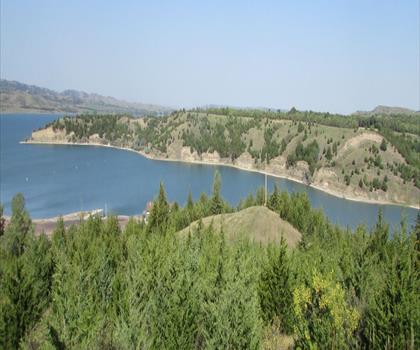
Lake Francis
Great North Woods
Alpine Cascades
Great North Woods
Jericho Mountain State Park
Great North Woods
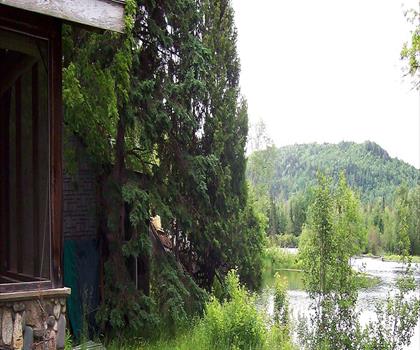
Umbagog Lake State Park
Great North Woods

Milan Hill State Park
Great North Woods
Carter-Moriah Trail head (Bangor Street)
Great North Woods
Hiking near North Conway
0 trails to explore ~55 km away
We work hard to provide the most up-to-date and error-free data possible. If something seems incorrect, let us know! Your contribution helps the whole community.
Hikers' opinions
Be the first to review!
No hiker has shared their experience yet. Share your impressions and help other hikers!