

Ready to explore Squam Lake? Here's everything you need to know before you go!
Discover the trail
Trail description
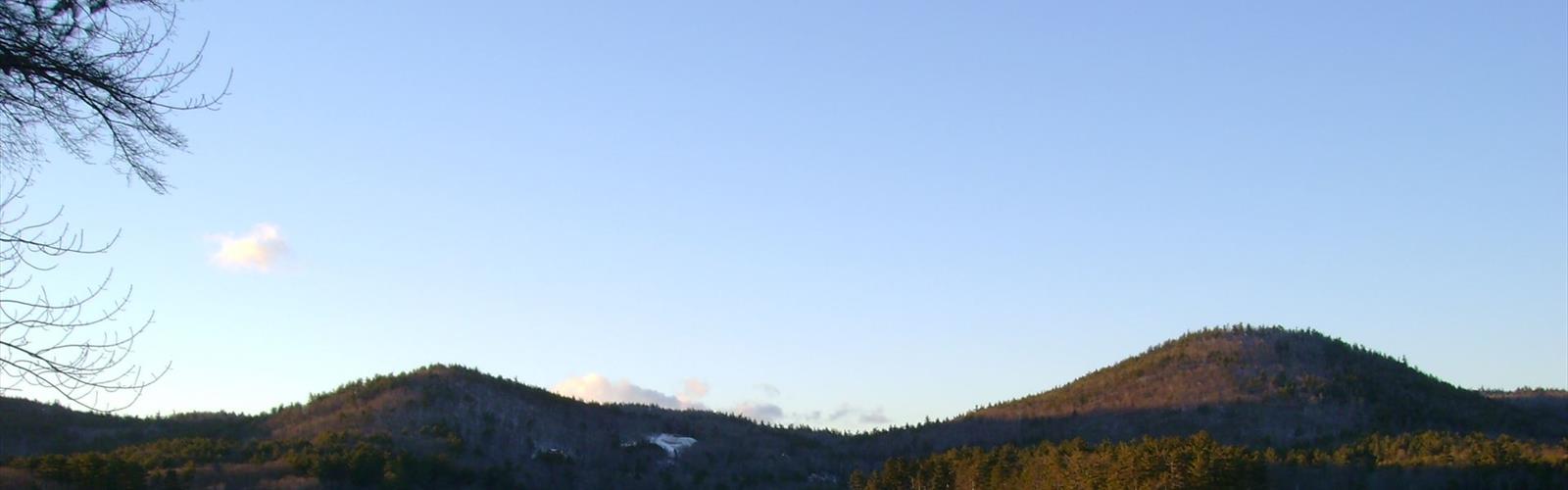
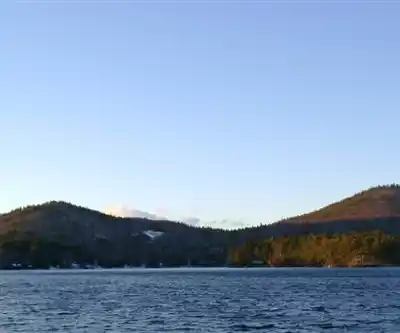
Squam Lake sits in New Hampshire's Lakes Region, a pristine 6,791-acre body of water that serves as the state's second-largest lake located entirely within its borders. Straddling Grafton, Carroll, and Belknap counties south of the White Mountains, this remarkable lake offers visitors a chance to experience one of New England's most unspoiled aquatic environments. The largest town center along its shores is Holderness, while the lake itself lies northwest of the much larger and more developed Lake Winnipesaukee.
The lake's crystal-clear waters and relatively undeveloped shoreline create an atmosphere that feels worlds away from busier recreational destinations. Unlike many lakes in the region, Squam maintains a quieter, more natural character that attracts visitors seeking genuine outdoor experiences rather than crowded beach scenes. The water clarity makes it an exceptional spot for scuba diving, offering underwater visibility that's rare in New England lakes.
Trail Experience and Terrain
The hiking trails around Squam Lake offer an accessible introduction to the Lakes Region's natural beauty, with well-maintained paths that wind through mixed hardwood and coniferous forests. The terrain features gentle rolling hills and occasional rocky outcrops that provide elevated viewpoints over the water. Most trails follow the natural contours of the shoreline, creating a pleasant walking experience that alternates between dense forest sections and open areas with lake views.
Hikers will encounter a variety of surfaces along the way, from soft forest floor covered in pine needles to occasional sections of exposed granite typical of New Hampshire's geology. The trails are generally wide enough for comfortable walking, though some narrower sections require single-file hiking. Root systems from large pines and oaks occasionally cross the path, adding minor technical elements that keep the hiking interesting without creating significant challenges.
The shoreline sections of the trail provide the most rewarding experiences, offering multiple opportunities to access the water's edge for rest stops or photography. These areas often feature natural granite shelves that serve as perfect spots for taking in the lake's expansive views while listening for the distinctive calls of loons echoing across the water.
Natural Features and Wildlife
Squam Lake serves as critical habitat for some of New England's most iconic wildlife species. The lake functions as an important nesting site for common loons, and summer visitors have excellent opportunities to observe these magnificent birds in their full breeding plumage. The haunting calls of loons echoing across the water at dawn and dusk create one of the most memorable experiences the lake offers.
Bald eagles also nest around the lake, and spotting these impressive raptors soaring overhead or perched in tall pines along the shoreline adds drama to any visit. Great blue herons are another regular sight, often standing motionless in shallow coves before striking at fish with lightning speed. The combination of these three species makes Squam Lake one of New Hampshire's premier wildlife viewing destinations.
The surrounding forest ecosystem supports a diverse array of wildlife that hikers may encounter along the trails. White-tailed deer are commonly spotted in early morning or evening hours, while red squirrels and chipmunks provide constant entertainment with their energetic movements through the trees. The mixed forest habitat also attracts various songbird species, making the area popular with birdwatchers throughout the warmer months.
The lake's diverse ecosystem supports both cold and warm water fish species, creating exceptional fishing opportunities year-round. Anglers can target rainbow trout, landlocked salmon, lake trout, and lake whitefish in the deeper, cooler sections, while the warmer areas hold smallmouth and largemouth bass, chain pickerel, horned pout, and white perch. This variety means fishing strategies can range from trolling the depths for trout and salmon to casting along rocky shorelines for bass.
Cultural and Historical Significance
The lake carries deep historical roots that connect visitors to both Native American heritage and early European settlement. Originally called Keeseenunknipee by indigenous peoples, meaning "the goose lake in the highlands," the name reflected the area's importance as waterfowl habitat. White settlers around 1779 shortened this to various forms including "Casumpa," "Kusumpy," and "Kesumpe," showing their attempts to adapt the original pronunciation.
In the early 19th century, the lake received another Abenaki name, Asquam, meaning simply "water." This name eventually evolved into the current "Squam" by the early 20th century. Understanding this naming history adds depth to any visit, connecting modern recreational use with centuries of human interaction with these waters.
Squam Lake gained widespread recognition as the filming location for the 1981 movie "On Golden Pond," shot in the town of Center Harbor. The film showcased the lake's natural beauty and peaceful atmosphere to audiences worldwide, though it also increased visitor interest in the area. The Squam Lakes Natural Science Center in Holderness operates tour boat services that highlight filming locations alongside natural features, providing an entertaining way to explore the lake while learning about both its cinematic history and ecological significance.
Water Activities and Recreation
The lake's size and water quality make it ideal for various water-based activities that complement the hiking experience. Swimming is popular throughout the summer months, with the clear water providing excellent visibility and a refreshing escape after completing the trail. The lake's natural temperature stratification means surface waters warm nicely for swimming while deeper areas remain cool enough to support cold-water fish species.
Boating on Squam Lake offers access to numerous coves and inlets that remain hidden from shore-based visitors. The lake's irregular shoreline creates protected areas perfect for kayaking and canoeing, while larger sections accommodate motorboats and sailing. The relatively undeveloped shoreline means boaters can find secluded spots for picnicking or simply enjoying the peaceful surroundings.
The exceptional water clarity that makes swimming so pleasant also creates outstanding conditions for scuba diving. Underwater visibility often exceeds what divers expect in New England lakes, revealing submerged logs, rock formations, and aquatic life that remain invisible from the surface. The lake's depth variations provide diving opportunities for different skill levels.
Geographic Context and Access
Squam Lake's drainage system connects it to the broader Merrimack River watershed through a fascinating series of water bodies. The lake drains via a short natural channel into Little Squam Lake, then flows through a dam at the head of the Squam River before joining the Pemigewasset River at Ashland. This connection places Squam Lake within a larger network of waterways that eventually reach the Atlantic Ocean.
The lake's position south of the White Mountains but within the Lakes Region creates a unique geographic setting. Visitors can enjoy the peaceful lake environment while having easy access to mountain hiking, creating opportunities for diverse outdoor experiences within a relatively small area. The proximity to Lake Winnipesaukee also means visitors can compare two very different lake experiences - Squam's quieter, more natural character versus Winnipesaukee's busier recreational atmosphere.
This geographic positioning makes Squam Lake an excellent base for exploring central New Hampshire's outdoor opportunities. The combination of pristine lake conditions, diverse wildlife, rich history, and access to both water and mountain recreation creates a destination that appeals to visitors seeking authentic New England outdoor experiences.
The Essential Hiking Checklist
Everything you need for your next hike. Bilingual, printable, 1 page.
Get your free hiking checklistRecommended gear for this trail
As an Amazon Associate I earn from qualifying purchases.


Ready to go?
Everything you need to know before you goStarting Point
To access the hiking trails, you can start at several trailheads. One option is the parking area located at 534 US-3, Holderness, NH 03245. Another starting point is the trailhead at 28 Shepard Hill Rd, Holderness, NH 03245. Both locations provide convenient access to the trails in the area.
When?
How much?
As an Amazon Associate I earn from qualifying purchases.
Affiliate links — LGPO may earn a commission at no extra cost to you.
- Hiking shoes Essential
- → Salomon Elixir Tour Mid WP · 203.38 $
- Layered clothing Essential
- Rain jacket Essential
- Trekking poles
- → Black Diamond Trail Ergo Cork · 69.99 $
- Headlamp
- → Petzl Actik Core 625 · 103.95 $
FAQ - Frequently asked questions
Everything you need to knowSimilar hikes nearby
Discover other trails you might enjoy

Midstate Trail Sutton
Lakes Region
Copple Crown Mountain
Lakes Region
Cotton Valley Rail Trail Club
Lakes Region
West Rattlesnake Mountain
Lakes Region
Piper Mountain
Lakes Region
Green Mountain Fire Tower
Lakes Region
Hiking near North Conway
0 trails to explore ~46 km away
We work hard to provide the most up-to-date and error-free data possible. If something seems incorrect, let us know! Your contribution helps the whole community.
Hikers' opinions
Be the first to review!
No hiker has shared their experience yet. Share your impressions and help other hikers!