
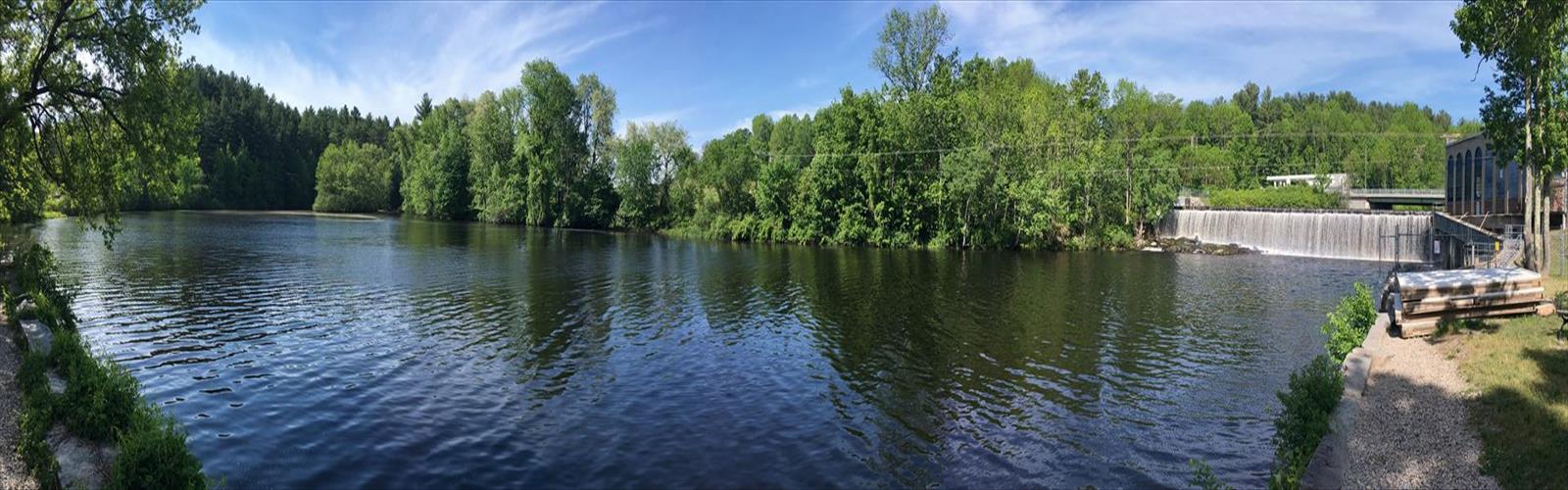

Ready to explore Salmon Falls River? Here's everything you need to know before you go!
Discover the trail
Trail description
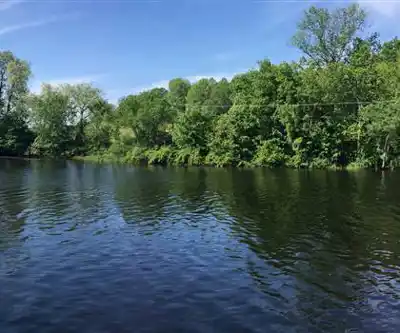
The Salmon Falls River corridor offers a network of hiking opportunities along one of New England's most historically significant waterways. Flowing roughly 38 miles from Great East Lake in New Hampshire to the Piscataqua River at the Maine-New Hampshire border, this river system has carved a diverse landscape that ranges from gentle woodland paths to more challenging terrain near the dramatic falls that give the river its name.
The hiking experience here centers around several distinct trail systems that follow different sections of the river. Near the actual Salmon Falls, located in the towns of Rollinsford, New Hampshire and Berwick, Maine, you'll find the most developed trail access. The falls themselves drop about 30 feet over a series of granite ledges, creating a powerful display especially during spring snowmelt and after heavy rains. The sound of rushing water provides a constant backdrop as you navigate the rocky terrain surrounding this focal point.
Trail Network and Terrain
The trail system varies significantly depending on which section you choose to explore. The lower river trails, closer to the falls, tend to follow more established paths with occasional wooden boardwalks and bridges where the terrain becomes too wet or steep for comfortable hiking. These sections wind through mixed hardwood and pine forests, with frequent openings that provide views of the river's progress toward the sea.
Moving upstream, the trails become less formal but offer more solitude. Here, you'll encounter typical New England woodland hiking—root-crossed paths, occasional stream crossings on fallen logs or stepping stones, and terrain that can be muddy during wet seasons. The forest canopy includes mature oaks, maples, and white pines, with an understory that bursts with wildflowers in late spring and provides spectacular foliage viewing in early to mid-October.
The river itself serves as both destination and guide. Unlike many hiking areas where water features are occasional highlights, the Salmon Falls River remains a constant presence. You'll hear it even when the trail curves away from the banks, and numerous side paths lead down to the water's edge where you can rest on granite outcroppings or explore the river's pools and eddies.
What to Expect on the Trail
Most hikers find the Salmon Falls River trails accessible and rewarding without requiring advanced skills or specialized equipment. The relatively flat terrain makes for comfortable walking, though you'll encounter typical New England trail features like exposed roots, occasional rocky sections, and seasonal mud. The proximity to water means you'll often walk on softer forest floor composed of decomposed leaves and pine needles.
The trail experience varies dramatically based on your chosen route and the season. Near the main falls, expect to share the trail with other hikers, especially during peak foliage season and summer weekends. The sound of the waterfall dominates this area, and you'll find multiple viewpoints where you can watch the water cascade over the granite ledges.
As you move away from the falls area, either upstream or downstream, the hiking becomes more intimate. The forest closes in around you, and the river's voice changes from the roar of falling water to the gentler sounds of flowing current. These sections offer better opportunities for wildlife observation and quiet reflection.
Wildlife and Natural Features
The river corridor supports diverse wildlife populations that hikers encounter regularly. White-tailed deer are common throughout the area, particularly in early morning and late afternoon. The mixed forest habitat attracts numerous bird species, including pileated woodpeckers, various warblers during migration seasons, and year-round residents like chickadees and nuthatches.
The river itself historically supported Atlantic salmon runs, though these have been greatly reduced. However, other fish species remain abundant, and you might spot great blue herons fishing in the quieter pools, especially in the early morning hours. Beavers have also returned to some upstream sections, and their dams and lodges add interesting features to explore, though they can occasionally affect trail routing when water levels rise.
Spring brings particularly rewarding hiking as wildflowers emerge throughout the forest floor. Trout lilies, bloodroot, and various violets create colorful displays, while the river runs high and fast from snowmelt. Summer offers the most comfortable hiking conditions, though some sections can become quite buggy, particularly in areas where the trail passes through wetlands or stays close to slow-moving water.
Access Points and Navigation
Multiple access points serve different sections of the river trail system. The most popular starting point is near the Salmon Falls themselves, where parking is available though somewhat limited during peak foliage season and summer weekends. From here, you can hike both upstream and downstream, with the downstream section offering easier walking but the upstream routes providing more wilderness character.
Additional access points exist at various road crossings along the river's length. These tend to have minimal facilities—perhaps space for a few cars to park safely off the road—but they allow you to explore different sections without committing to the longer walks required from the main trailhead.
Trail marking varies throughout the system. Near the falls and other popular areas, you'll find occasional blazes and small trail markers, but much of the network relies on well-worn paths and the river itself for navigation. A basic topographic map or GPS device proves helpful, particularly if you plan to explore the less-traveled upstream sections where social trails can branch off in multiple directions.
Seasonal Considerations and Planning
Each season offers distinct advantages for hiking the Salmon Falls River trails. Winter hiking is possible and can be spectacular when ice formations develop around the falls, but proper footwear becomes essential as the trails can be icy and snow may obscure the path. The river's sound helps with navigation even when visual landmarks disappear under snow.
Spring brings the highest water levels and most dramatic waterfall displays, but also the muddiest trail conditions. Some low-lying sections may be temporarily impassable during peak snowmelt. This is also black fly and mosquito season, so insect protection becomes important for comfortable hiking.
Summer provides the most stable trail conditions and warmest weather for rest stops by the river. Water levels drop to their lowest, revealing rocky areas that remain submerged during other seasons. However, this is also the busiest season for both hikers and other river users.
Fall offers the region's famous foliage display, with the river providing excellent vantage points for photography. The combination of colorful leaves reflected in the dark water and framed by granite outcroppings creates some of the most scenic hiking in the region. Trail conditions remain good through most of the fall season, though wet leaves can create slippery conditions on steeper sections.
Most hikers find that sturdy hiking boots or shoes provide the best footing, particularly near the falls where granite can be slippery when wet. Water is obviously abundant, but proper filtration is recommended if you plan to drink from the river or its tributaries. Dogs are welcome on most sections of the trail system, though owners should be prepared for water-loving pets to take advantage of the numerous swimming opportunities.
The Essential Hiking Checklist
Everything you need for your next hike. Bilingual, printable, 1 page.
Get your free hiking checklistRecommended gear for this trail
As an Amazon Associate I earn from qualifying purchases.


Ready to go?
Everything you need to know before you goStarting Point
The easiest way to get to the start of the trails at the salmon falls river is to drive to Rochester, NH and take exit 15 off of I-93. Head west on Route 125 for about 4 miles until you reach the bridge over the salmon falls river. Park in the lot on the left side of the road and walk across the bridge to reach the start of the trails.
When?
How much?
As an Amazon Associate I earn from qualifying purchases.
Affiliate links — LGPO may earn a commission at no extra cost to you.
- Hiking shoes Essential
- → Salomon Elixir Tour Mid WP · 203.38 $
- Layered clothing Essential
- Rain jacket Essential
- Trekking poles
- → Black Diamond Trail Ergo Cork · 69.99 $
- Headlamp
- → Petzl Actik Core 625 · 103.95 $
FAQ - Frequently asked questions
Everything you need to knowSimilar hikes nearby
Discover other trails you might enjoy
Parker Mountain
Seacoast
South Mountain Summit, Pawtuckaway State Park.
Seacoast
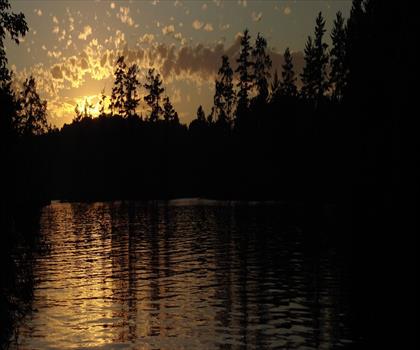
Pawtuckaway Lake
Seacoast

Northwood Meadows State Park
Seacoast

Prescott Park
Seacoast
Canobie Lake Park
Seacoast
Hiking near Portsmouth
0 trails to explore ~26 km away
We work hard to provide the most up-to-date and error-free data possible. If something seems incorrect, let us know! Your contribution helps the whole community.
Hikers' opinions
Be the first to review!
No hiker has shared their experience yet. Share your impressions and help other hikers!