
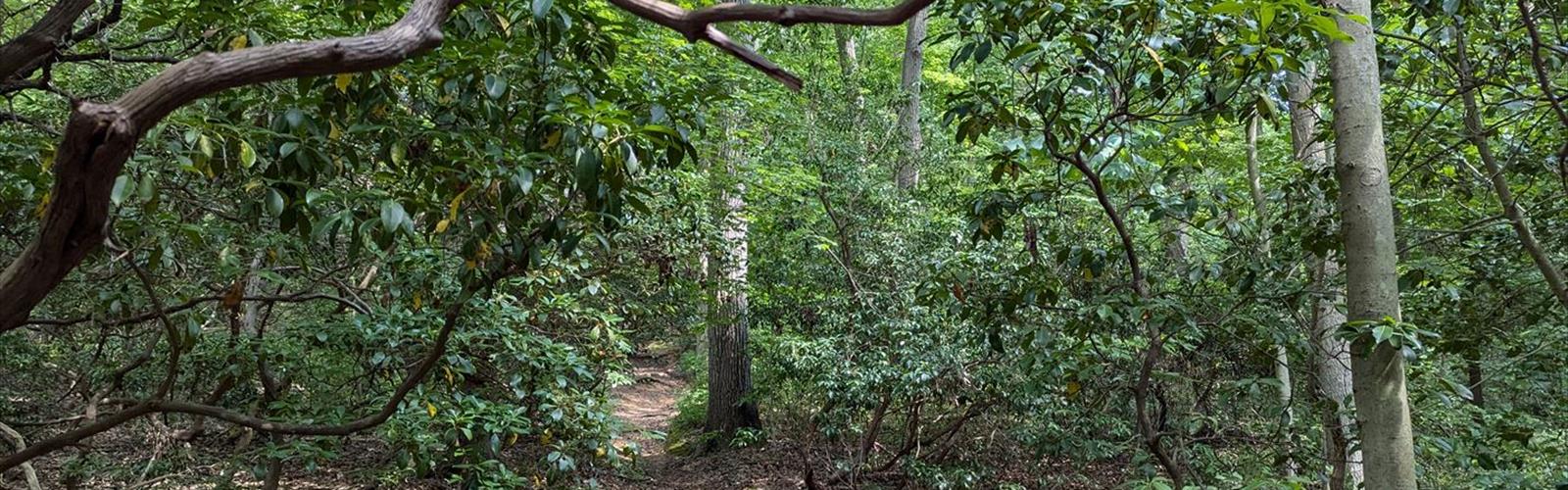

Ready to explore Huber Woods Park? Here's everything you need to know before you go!
Discover the trail
Trail description
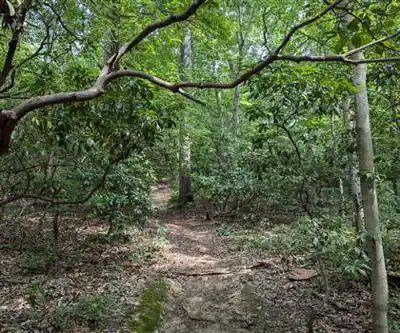
Huber Woods Park in Monmouth County offers hikers a surprisingly diverse landscape just minutes from New Jersey's bustling suburbs. This 258-acre preserve combines mature hardwood forests with open meadowlands, creating distinct hiking environments that shift as you move between trail systems. The park's network of over eight miles of well-maintained trails provides options for everyone from families with young children to hikers seeking a solid workout on rolling terrain.
Trail System and Terrain
The trail network at Huber Woods divides into several distinct routes, each offering different experiences and challenges. The Meadow Ramble Trail lives up to its name with gentle slopes that meander through open grasslands where wildflowers bloom in spring and summer. This route works well for families or anyone wanting a leisurely walk with expansive views.
For hikers looking for more elevation change, the Fox Hollow Trail delivers steeper inclines as it winds through dense forest sections. The trail gains about 30 meters of elevation as it climbs through oak and maple groves, providing a legitimate workout while staying manageable for most fitness levels. The forest canopy creates a cooler microclimate during summer months, making this section particularly pleasant when temperatures rise.
The trail surfaces consist primarily of packed earth and natural forest floor, with some sections crossing wooden boardwalks over wetland areas. Root systems and occasional rocky patches require attention, especially after rain when surfaces become slippery. Most trails are wide enough for comfortable two-way traffic, though some forest sections narrow to single-track width.
Natural Environment and Wildlife
The park's diverse habitats support an impressive variety of wildlife for such a relatively small area. The meadow sections attract butterflies, particularly monarchs during migration periods, while the forest edges provide ideal conditions for spotting white-tailed deer, especially during early morning or late afternoon visits. Bird enthusiasts regularly observe red-tailed hawks circling overhead and various woodpecker species working the mature trees.
The wetland areas, crossed by several boardwalk sections, host different species entirely. Great blue herons occasionally visit the small ponds, and the marshy areas buzz with activity from frogs and various insects that form the base of the food chain. These wetlands also support unique plant communities, including several native orchid species that bloom in late spring.
The forest composition changes noticeably as you move between different trail sections. The higher elevations feature predominantly oak and hickory, while lower, moister areas support maple, ash, and occasional stands of eastern red cedar. This variety creates different seasonal experiences, from spring wildflower displays to spectacular fall foliage that peaks in mid to late October.
Environmental Center and Educational Opportunities
The park's Environmental Center serves as both a starting point for many hikes and a destination in itself. The facility houses exhibits about local ecosystems, including detailed information about the plants and animals you're likely to encounter on the trails. Interactive displays help visitors understand the ecological relationships between the park's different habitats.
The center also maintains a small library of field guides and nature identification resources that visitors can borrow during their visit. Staff members often provide informal guidance about current trail conditions, recent wildlife sightings, and seasonal highlights. The building itself demonstrates sustainable design principles, with features like rain gardens and native plant landscaping that extend the educational experience outdoors.
Facilities and Practical Considerations
Ample parking is available in the main lot near the Environmental Center, with additional spaces in a secondary lot that provides direct access to some trail heads. The parking areas rarely fill completely, even on busy weekend days, though arriving earlier in the day ensures the best spot selection and cooler hiking conditions during summer.
Several picnic areas are scattered throughout the park, ranging from individual tables tucked into forest clearings to larger group areas in the meadow sections. These spots work well for combining hiking with outdoor meals, and the varied locations mean you can choose between sunny, open settings or shaded forest environments depending on weather and preference.
The park hosts regular programming throughout the year, including guided nature walks, bird watching sessions, and seasonal events like maple sugaring demonstrations in early spring. These programs cater to different age groups and interests, from preschool nature exploration to adult-focused workshops on topics like native plant gardening or wildlife photography.
Planning Your Visit
Most hikers spend between two to three hours exploring the trail system, though the network's design allows for shorter or longer visits depending on your goals. The interconnected trails make it easy to customize your route length, and several loops can be combined for extended hiking sessions.
Weather conditions significantly impact the hiking experience here. The exposed meadow sections can become quite warm during summer afternoons, while the forest trails remain relatively cool. Conversely, the open areas provide welcome sun exposure during cooler months when the forest sections can feel chilly. Rain makes some trail sections muddy, particularly the lower-elevation routes near wetland areas.
Appropriate footwear makes a substantial difference on these trails. While not technically demanding, the varied terrain includes enough roots, rocks, and potentially muddy sections to warrant sturdy hiking shoes or boots rather than casual sneakers. The elevation changes, while moderate, are frequent enough that good traction helps maintain comfort and safety throughout your hike.
The Essential Hiking Checklist
Everything you need for your next hike. Bilingual, printable, 1 page.
Get your free hiking checklistRecommended gear for this trail
As an Amazon Associate I earn from qualifying purchases.


Ready to go?
Everything you need to know before you goStarting Point
The huber woods park is located in New Jersey. To get to the start of the trails, take exit 105 from the Garden State Parkway and head east on Randolph Road. The park entrance will be on your right.
When?
How much?
As an Amazon Associate I earn from qualifying purchases.
Affiliate links — LGPO may earn a commission at no extra cost to you.
- Hiking shoes Essential
- → Salomon Elixir Tour Mid WP · 203.38 $
- Layered clothing Essential
- Rain jacket Essential
- Trekking poles
- → Black Diamond Trail Ergo Cork · 69.99 $
- Headlamp
- → Petzl Actik Core 625 · 103.95 $
FAQ - Frequently asked questions
Everything you need to knowSimilar hikes nearby
Discover other trails you might enjoy

Dorbrook Recreation Area
Central New Jersey
Thompson Park Monroe
Central New Jersey
Holmdel Park
Central New Jersey

Hamilton Veterans Park
Central New Jersey

Nomahegan Park
Central New Jersey

Rosedale Park
Central New Jersey
Hiking near New York City
0 trails to explore ~36 km away
We work hard to provide the most up-to-date and error-free data possible. If something seems incorrect, let us know! Your contribution helps the whole community.
Hikers' opinions
Be the first to review!
No hiker has shared their experience yet. Share your impressions and help other hikers!