
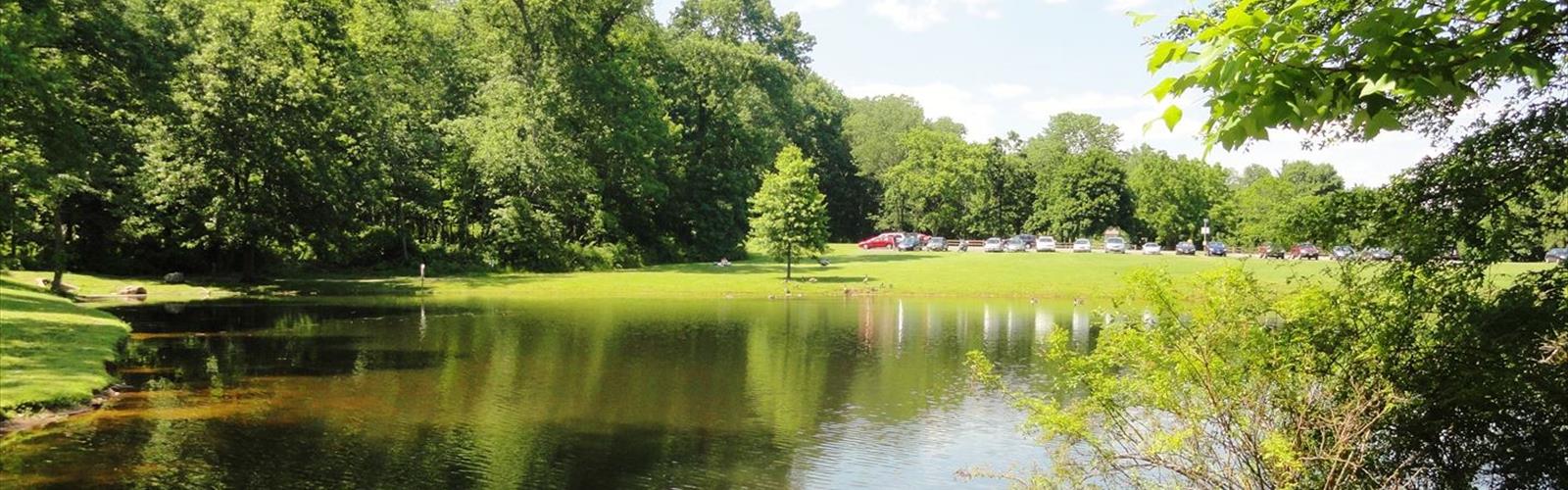

Ready to explore Sourland Mountain Preserve? Here's everything you need to know before you go!
Discover the trail
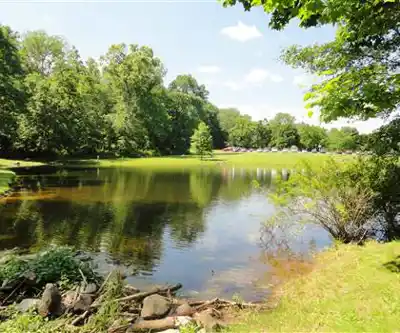
Trail description
Sourland Mountain Preserve covers 4,000 acres of some of the most distinctive terrain in Central New Jersey, delivering a genuinely wild hiking experience that catches most visitors off guard. The preserve sits on ancient diabase rock formations that shape everything here — the soil, the vegetation, the way the trails feel underfoot. It's the kind of place that doesn't look like much on a map but earns real respect once you're out on the trails.
The Trails
The preserve runs a well-maintained network of trails that can be combined into routes of varying length. The full trail system covers 15 kilometers, with an estimated hiking time of around 4 hours 15 minutes — though that number assumes a steady pace without extended stops. The elevation gain of 106 meters sounds modest, and it is, but the rocky climbs and descents make the legs work harder than the numbers suggest. This isn't a flat woodland stroll.
Trails wind through dense forest, climb over rocky outcrops, and weave between boulder fields that require real attention to foot placement. Some sections involve light scrambling — nothing technical, but enough to keep you engaged and focused. The route-finding element adds to the experience, especially on the connecting trails that see less foot traffic. If you want solitude even on a busy weekend, those quieter segments are worth seeking out.
Terrain and Rock Formations
The diabase bedrock is the defining feature of the Sourland Mountain Preserve, and it shapes the hiking experience from start to finish. This ancient volcanic rock creates thin, rocky soil that supports a different kind of forest than you'd find elsewhere in Central New Jersey — one where the trees grow around boulders rather than between them, and where the ground constantly shifts between packed earth and exposed stone.
Scattered throughout the forest are massive boulders and rock debris left behind by glacial activity thousands of years ago. These formations create natural obstacles, interesting scrambling opportunities, and the kind of varied terrain that keeps a hike from feeling repetitive. The rock surfaces demand good footwear — something with solid traction. When wet, the diabase gets slippery fast, and a misstep on a descent can turn a good day sideways quickly.
The geological story here is genuinely interesting if you take a moment to look at it. The diabase tells the story of ancient volcanic intrusion, while the boulder fields and scattered rock debris map out the path of glacial movement. You don't need to be a geologist to appreciate it — the landscape just looks and feels different from anything else in the region.
Forest and Wildlife
The canopy is dominated by oak, hickory, and maple, creating dense shade through the warmer months and a strong fall color display once temperatures drop. The unique growing conditions produced by the diabase bedrock support several rare plant species adapted to thin, rocky soil — worth slowing down to notice if you're paying attention to the forest floor and the crevices between rocks.
Birdwatching is a legitimate draw here. Hawks use the thermal currents generated by the rocky terrain to circle overhead, and the dense canopy shelters a solid variety of songbirds that are most active and vocal during spring and summer. White-tailed deer are common throughout the preserve, particularly during early morning and late afternoon. The boulder fields and rocky outcrops also provide habitat for small mammals and reptiles that have adapted to life among the stones.
The preserve's 4,000 acres give wildlife enough room to move, which means sightings feel more natural and less like a managed park experience. The biodiversity here reflects the rare ecosystem the diabase bedrock creates — one of the few remaining examples of this habitat type left in Central New Jersey.
Overlooks and Rest Spots
Several overlooks are scattered along the trail network, offering panoramic views of the surrounding Central New Jersey countryside. These spots work well as natural rest breaks — somewhere to eat, drink, and take in the broader landscape before pushing on. The elevated positions reflect the preserve's status as one of the higher points in the region, and the views extend well beyond the immediate forest edge into the mix of agricultural land and suburban development that surrounds it.
During fall, these overlooks become genuinely spectacular. The mixed hardwood forest produces a strong color display, and from the ridge lines you get a wide view of that color rolling across the landscape. They're also solid photography spots — the rocky foreground against the broader countryside makes for interesting compositions at any time of year.
Getting the Most Out of Your Visit
The preserve's location in Central New Jersey puts it within easy reach for day trips from the greater New York and Philadelphia areas. It offers a real hiking experience — rocky terrain, meaningful elevation changes, genuine forest — without requiring a long drive to more mountainous regions.
A few practical things worth knowing before you go:
- Footwear matters. Trail runners or hiking boots with solid grip are the right call here. Wet rock is genuinely slippery, and the terrain is uneven enough that ankle support is worth having.
- The 15 km distance is for the full network. Shorter loops are available for families or anyone working with limited time. Connecting multiple segments builds out a longer, more substantial day.
- Early morning visits give you the best shot at wildlife sightings and the quietest experience on the trails.
- The preserve is large enough that even on busy days, moving onto the less-traveled connecting trails usually means finding space to yourself.
Spring through fall covers the best hiking window, with each season offering something different — wildflowers and bird migration in spring, full canopy and active wildlife in summer, and the hardwood color display in fall. Winter hiking is possible, but the rock surfaces can ice over and require extra caution on any descent.
The Essential Hiking Checklist
Everything you need for your next hike. Bilingual, printable, 1 page.
Get your free hiking checklistRecommended gear for this trail
As an Amazon Associate I earn from qualifying purchases.


Ready to go?
Everything you need to know before you goStarting Point
The sourland mountain preserve is located in Hillsborough Township, New Jersey. To get to the start of the trails, take exit 11 from Interstate 78 and head south on Route 206. The preserve is located on the left side of the road.
When?
How much?
As an Amazon Associate I earn from qualifying purchases.
Affiliate links — LGPO may earn a commission at no extra cost to you.
- Hiking shoes Essential
- → Salomon Elixir Tour Mid WP · 203.38 $
- Layered clothing Essential
- Rain jacket Essential
- Trekking poles
- → Black Diamond Trail Ergo Cork · 69.99 $
- Headlamp
- → Petzl Actik Core 625 · 103.95 $
FAQ - Frequently asked questions
Everything you need to knowSimilar hikes nearby
Discover other trails you might enjoy
Dorbrook Recreation Area
Central New Jersey
Thompson Park Monroe
Central New Jersey
Holmdel Park
Central New Jersey

Hamilton Veterans Park
Central New Jersey
Nomahegan Park
Central New Jersey
Rosedale Park
Central New Jersey
Hiking near Trenton
0 trails to explore ~29 km away
We work hard to provide the most up-to-date and error-free data possible. If something seems incorrect, let us know! Your contribution helps the whole community.
Hikers' opinions
Be the first to review!
No hiker has shared their experience yet. Share your impressions and help other hikers!