


Ready to explore Tatum Park? Here's everything you need to know before you go!
Discover the trail
Oh no! We don't have any photos 😢
This trail hasn't been captured yet. Be the first to share your adventure!Trail description
Tatum Park covers 366 acres of varied terrain in Monmouth County, making it one of the more interesting hiking spots in Central New Jersey. What keeps people coming back isn't any single dramatic feature — it's the way the landscape keeps shifting as you move through the park. Hardwood forest, open meadow, and quiet pond areas all exist within the same trail network, and the transitions between them are where the park really comes alive.
The trail system offers around 4.8 km of hiking with only 30 meters of elevation gain spread across the network, which keeps things firmly in easy territory. Expect to spend about an hour and a half on the trails at a comfortable pace, though it's easy to stretch that into a longer outing if you stop to watch birds or just sit by one of the ponds for a while.
Trail Experience and Terrain
The terrain at Tatum Park changes quickly enough that a single loop can feel like several different hikes. You might start in an open meadow where you can see clear across the grass to the tree line, then step into a dense stand of mature oaks and maples where the canopy closes overhead and the temperature drops noticeably. These edge zones — where forest meets grassland — tend to be the most active spots for wildlife and the most visually interesting for hikers.
The elevation gain is gentle and distributed gradually, so there's no single steep section that catches people off guard. The climbs add just enough variety to keep the terrain interesting without making the hike feel strenuous. Trail conditions are generally well-maintained, which means you can pay attention to your surroundings rather than watching every step.
The pond areas deserve a mention on their own. They're quieter than the meadow sections, the vegetation is different, and the soft ground underfoot gives the whole area a different feel. After rain, the trails near the ponds can get muddy, so waterproof footwear is worth considering if you're planning to explore those sections.
Wildlife and Natural Features
The habitat diversity at Tatum Park supports a solid range of wildlife for a park surrounded by suburban development. White-tailed deer are a regular presence, especially in the early morning and late afternoon when they move between the forest and the open feeding areas in the meadows. Spring and fall tend to bring the most visible deer activity.
Birdwatching is genuinely rewarding here because the different habitat types attract different bird communities. The hardwood forest holds typical woodland species, while the meadow edges and pond areas bring in birds you won't find deeper in the trees. Spring migration is the peak period for variety, with both resident species and migrants passing through. Patient observers can build a solid species list in a single visit just by moving between the different habitat zones.
The mature hardwood forest sections — dominated by oaks and maples — give a sense of what Central New Jersey's landscape looked like before widespread development. The canopy creates a cooler microclimate on warm days, and the seasonal changes mean the forest looks noticeably different depending on when you visit.
Family-Friendly Features
Tatum Park works well for families because the infrastructure matches the hiking. Playground areas give kids somewhere to run around before or after the trails, and picnic spots are scattered throughout the park rather than concentrated in one central area. That layout means you can plan a lunch stop that fits naturally into your route instead of backtracking to a single facility.
The range of trail options also helps. Families can start with the flatter meadow paths and work their way into the forest sections as the group gets comfortable. The easy difficulty rating holds across the network, so there's no section that's likely to overwhelm younger hikers or beginners.
Additional Activities
The trail system at Tatum Park is shared with equestrians, so hikers may encounter horses on some sections. The park is large enough that this rarely creates any real conflict, and the shared-use setup is part of what gives the park its relaxed, community-oriented feel.
For anyone interested in birdwatching as a primary activity rather than a side benefit, the combination of forest, meadow, and wetland habitats within a compact area makes Tatum Park an efficient destination. You can cover multiple ecosystem types in a single outing without driving between locations, which is a genuine advantage for birders working through a species list.
The park draws a mix of dedicated hikers, casual walkers, families, and nature enthusiasts, and the atmosphere reflects that — relaxed and welcoming rather than competitive, with experienced visitors often happy to share trail tips with newcomers.
The Essential Hiking Checklist
Everything you need for your next hike. Bilingual, printable, 1 page.
Get your free hiking checklistRecommended gear for this trail
As an Amazon Associate I earn from qualifying purchases.


Ready to go?
Everything you need to know before you goStarting Point
The easiest way to get to the start of the trails at the tatum park is to take NJ-17 north to exit 105 and then take County Route 527 east. The park entrance will be on the right.
When?
How much?
As an Amazon Associate I earn from qualifying purchases.
Affiliate links — LGPO may earn a commission at no extra cost to you.
- Hiking shoes Essential
- → Salomon Elixir Tour Mid WP · 203.38 $
- Layered clothing Essential
- Rain jacket Essential
- Trekking poles
- → Black Diamond Trail Ergo Cork · 69.99 $
- Headlamp
- → Petzl Actik Core 625 · 103.95 $
FAQ - Frequently asked questions
Everything you need to knowSimilar hikes nearby
Discover other trails you might enjoy
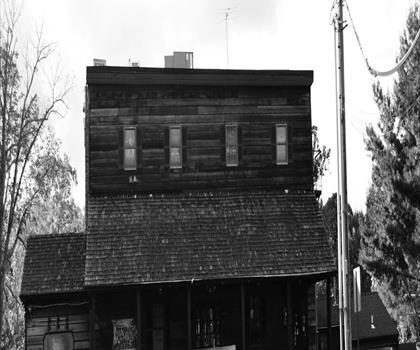
Dorbrook Recreation Area
Central New Jersey
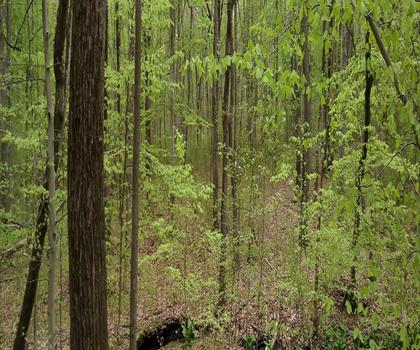
Thompson Park Monroe
Central New Jersey
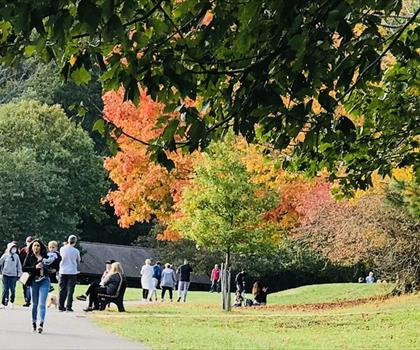
Holmdel Park
Central New Jersey

Nomahegan Park
Central New Jersey

Hamilton Veterans Park
Central New Jersey

Rosedale Park
Central New Jersey
Hiking near Jersey City
0 trails to explore ~37 km away
We work hard to provide the most up-to-date and error-free data possible. If something seems incorrect, let us know! Your contribution helps the whole community.
Hikers' opinions
Be the first to review!
No hiker has shared their experience yet. Share your impressions and help other hikers!