

Ready to explore Washington Valley Park? Here's everything you need to know before you go!
Discover the trail
Trail description
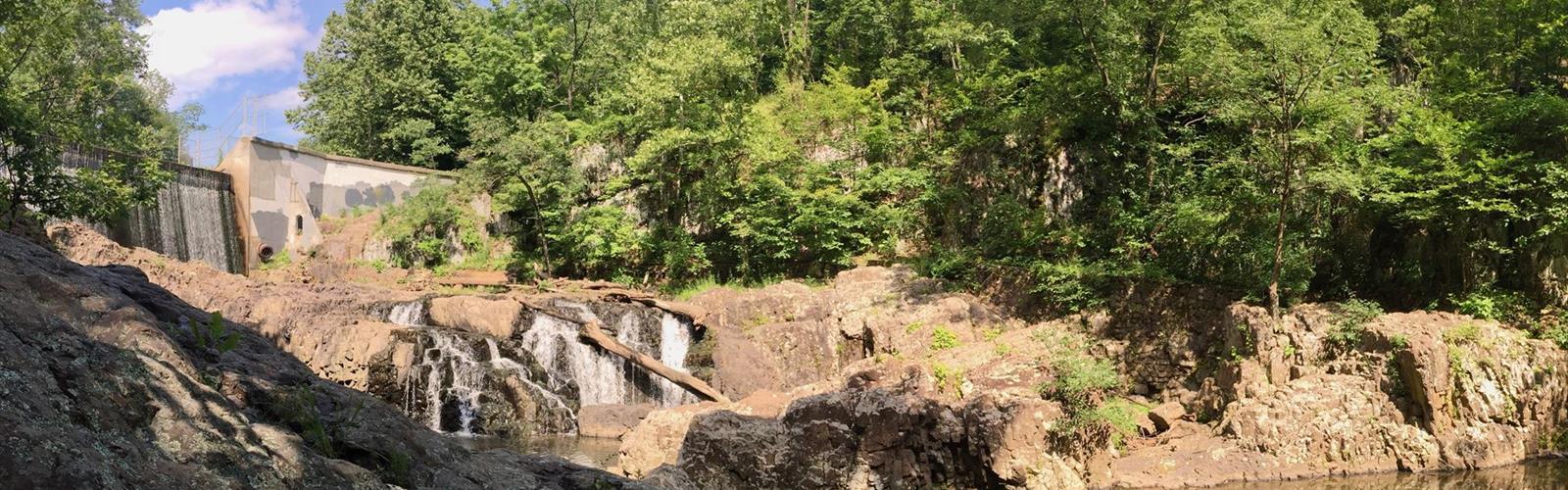
Washington Valley Park sprawls across 700 acres of central New Jersey's rolling terrain, offering hikers a surprisingly diverse landscape just minutes from suburban neighborhoods. This well-maintained park combines dense hardwood forests, open meadows, and water features into a hiking experience that feels much more remote than its location suggests.
The park's trail system covers 8.4 kilometers of well-marked paths that wind through distinctly different ecosystems. You'll start most hikes near the main parking area and quickly find yourself climbing gentle slopes through mature oak and maple forests. The 170 meters of elevation gain is spread throughout the trail network, creating rolling terrain rather than steep climbs. Most hikers complete the full loop system in 2 to 3 hours, though the varied landscapes and numerous photo opportunities often extend visits longer than planned.
Trail Experience and Terrain
The moderate difficulty rating reflects the park's combination of well-maintained paths and natural terrain challenges. Wide, gravel-surfaced trails near the entrance give way to narrower dirt paths as you venture deeper into the forest. Root systems and occasional rocky sections require attention, but nothing that demands technical hiking skills. The trail markers are clear and frequent, making navigation straightforward even for newcomers to the area.
Water features play a central role in the park's character. The reservoir anchors the southern section, creating opportunities for both scenic viewing and active recreation. Fishing is permitted in the reservoir, and kayakers often launch from the accessible shoreline areas. The water's presence also moderates temperatures during summer hiking and creates habitat for the diverse wildlife that makes this park special.
Forest composition changes noticeably as you move through different sections. Dense canopy areas provide excellent shade and showcase the park's mature tree population, while more open sections reveal the meadow environments that support different plant and animal communities. This variety keeps the hiking experience engaging and offers something new around most corners.
Wildlife and Seasonal Highlights
The Hawk Watch Area represents one of Washington Valley Park's most distinctive features. Positioned on higher ground with clear sightlines, this observation point becomes a gathering spot for birdwatchers during fall migration periods. Hawks, eagles, and other raptors use the area's thermals and geographic features as navigation aids during their southern journey. Even outside peak migration times, the elevated position offers excellent views across the park's varied landscapes.
The park's diverse ecosystems support wildlife viewing opportunities throughout the year. Deer are commonly spotted in meadow areas, particularly during early morning and evening hours. The forest sections host numerous songbird species, while the reservoir attracts waterfowl and wading birds. Photographers find the combination of wildlife and scenic backdrops particularly rewarding, especially during golden hour lighting.
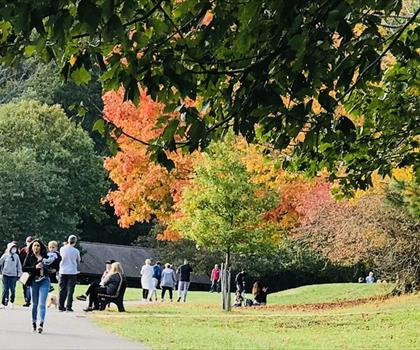
Seasonal changes dramatically alter the park's appearance and hiking conditions. Spring brings wildflower displays in the meadow sections and active bird life as species return from winter ranges. Summer offers full canopy cover and the most comfortable conditions for water-based activities. Fall transforms the hardwood forests into a showcase of changing colors, while winter hiking reveals the park's underlying structure and provides clear views through bare branches.
What Makes This Park Stand Out
Washington Valley Park succeeds in providing a genuine nature experience within central New Jersey's developed landscape. The 700-acre size creates enough space for hikers to feel immersed in natural surroundings, while the trail system's design maximizes exposure to the park's different environments. Unlike many regional parks that focus on single ecosystems, Washington Valley's combination of forest, water, and meadow habitats creates variety that keeps regular visitors engaged.
The park's management approach balances accessibility with natural character preservation. Facilities exist where needed—parking, trail markers, and basic amenities—without overwhelming the natural setting. This approach appeals to hikers who want reliable access and navigation support while maintaining the sense of outdoor adventure.
Water access sets Washington Valley apart from many area hiking destinations. The reservoir provides both scenic value and recreational opportunities that extend beyond hiking. Families often combine trail exploration with fishing or kayaking, creating full-day outdoor experiences. The water's presence also creates unique photographic opportunities and supports the diverse wildlife populations that make each visit different.
Planning Your Visit
The moderate trail system accommodates hikers with basic fitness levels while providing enough challenge to feel rewarding. Families with older children find the combination of manageable distances and interesting features works well for introducing young people to longer hiking experiences. The well-marked trails and loop options allow for flexible planning based on available time and energy levels.
Photography equipment proves worthwhile throughout the year, with wildlife, landscape, and seasonal change opportunities abundant. The Hawk Watch Area and reservoir shoreline offer the most dramatic scenic shots, while forest sections provide intimate nature photography subjects. Early morning and late afternoon visits typically yield the best lighting and wildlife activity.
Weather considerations vary significantly by season. Summer hiking benefits from the forest canopy's shade, though water and insect protection become important. Fall offers ideal hiking conditions and peak scenic value. Winter hiking is possible but requires appropriate footwear for potentially icy conditions. Spring can be muddy in low-lying areas but offers excellent wildlife viewing as activity levels increase.
The park's location in central New Jersey makes it accessible for day trips from throughout the region while providing an outdoor experience that feels genuinely removed from urban environments. This combination of accessibility and natural character makes Washington Valley Park a valuable resource for hikers seeking regular outdoor recreation opportunities without extensive travel requirements.
The Essential Hiking Checklist
Everything you need for your next hike. Bilingual, printable, 1 page.
Get your free hiking checklistRecommended gear for this trail
As an Amazon Associate I earn from qualifying purchases.


Ready to go?
Everything you need to know before you goStarting Point
The washington valley park is located in Warren, New Jersey. To get to the start of the trails, take exit 13 off of Interstate 78 and head south on Route 31. The park will be on your right.
When?
How much?
As an Amazon Associate I earn from qualifying purchases.
Affiliate links — LGPO may earn a commission at no extra cost to you.
- Hiking shoes Essential
- → Salomon Elixir Tour Mid WP · 203.38 $
- Layered clothing Essential
- Rain jacket Essential
- Trekking poles
- → Black Diamond Trail Ergo Cork · 69.99 $
- Headlamp
- → Petzl Actik Core 625 · 103.95 $
FAQ - Frequently asked questions
Everything you need to knowSimilar hikes nearby
Discover other trails you might enjoy
Dorbrook Recreation Area
Central New Jersey
Thompson Park Monroe
Central New Jersey
Holmdel Park
Central New Jersey

Hamilton Veterans Park
Central New Jersey

Nomahegan Park
Central New Jersey

Rosedale Park
Central New Jersey
Hiking near Newark
0 trails to explore ~37 km away
We work hard to provide the most up-to-date and error-free data possible. If something seems incorrect, let us know! Your contribution helps the whole community.
Hikers' opinions
Be the first to review!
No hiker has shared their experience yet. Share your impressions and help other hikers!