


Ready to explore Gateway National Recreation Area Sandy Hook Unit? Here's everything you need to know before you go!
Discover the trail

Trail description
Sandy Hook Unit of Gateway National Recreation Area sits at the northern tip of New Jersey's coast, where the peninsula juts into New York Harbor like a curved finger pointing toward Manhattan. This barrier beach offers something rare along the densely developed Jersey Shore—miles of protected coastline where you can walk for hours without encountering boardwalks or beach towns.
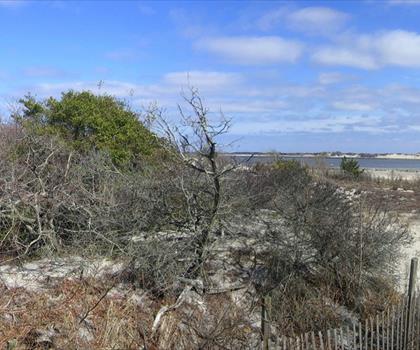
The landscape here shifts constantly as you move through different zones. Ocean-facing beaches give way to calmer bay waters, while maritime forests of holly, red cedar, and beach plum create shaded corridors inland. Salt marshes and freshwater ponds dot the interior, creating diverse habitats that support an impressive variety of wildlife throughout the year.
Trail System and Hiking Experience
The Multi-Use Pathway forms the backbone of Sandy Hook's trail system, running nearly eight miles from the entrance gate to the very tip of the peninsula. This paved route follows the bay side of Sandy Hook, offering consistent views across Raritan Bay toward Staten Island and the Verrazano-Narrows Bridge. The pathway stays relatively flat throughout its length, making it accessible for hikers of all abilities as well as cyclists and joggers.
What makes this trail special isn't dramatic elevation changes—you'll gain only modest elevation as you traverse the peninsula—but rather the constantly changing coastal scenery. You'll pass through different ecosystems every mile or so, from the developed area near the visitor center to increasingly wild sections toward the north end. The final stretch leads to North Beach, where you can stand at the northernmost point of the New Jersey coast.
Several shorter trails branch off from the main pathway, leading through maritime forests and to various beaches. These unpaved paths let you explore the peninsula's interior, where the vegetation grows thicker and you're more likely to spot wildlife moving between habitats. The terrain underfoot varies from smooth pavement on the main pathway to sandy tracks through the dunes and packed earth trails through the wooded areas.
Walking here feels different from typical forest hiking. The constant presence of water—whether ocean waves crashing to your right or gentle bay lapping to your left—creates a soundtrack that follows you throughout your journey. Salt air carries the scents of sea spray and beach roses, while the open sky above means you're always aware of weather patterns moving in from the Atlantic.
Wildlife and Natural Features
Sandy Hook's position along the Atlantic Flyway makes it exceptional for birdwatching, especially during spring and fall migrations. Warblers, hawks, and shorebirds use the peninsula as a crucial stopover point. In winter, you might see snowy owls hunting over the dunes, while summer brings nesting ospreys and least terns to the area. The diversity of habitats within such a compact area means you can observe forest birds, shorebirds, and open-water species all during a single visit.
White-tailed deer are common throughout Sandy Hook, often grazing in open areas during early morning and evening hours. The varied habitats also support smaller mammals, reptiles, and amphibians that thrive in this protected coastal environment. Red foxes occasionally appear along the trails, while rabbits dart between the beach grass and shrubs.
The beaches themselves tell the story of constant change that defines barrier islands. Storm waves reshape the shoreline regularly, while wind and tide create new patterns in the sand. On the ocean side, you'll find typical Atlantic beach conditions with surf and wide sandy stretches. The bay side offers calmer waters and more opportunities to observe marine life in tidal pools and shallow areas where herons and egrets hunt for fish and crabs.
Historical Attractions Along the Trails
Fort Hancock Historic District occupies a significant portion of Sandy Hook's southern end, where military installations protected New York Harbor from the 1890s through the Cold War era. You can explore the remains of gun batteries, barracks, and other military structures while hiking through this area. The buildings and fortifications are scattered throughout the landscape, so you'll encounter them naturally as you explore rather than finding them concentrated in one location.
Sandy Hook Lighthouse stands as the area's most recognizable landmark and America's oldest operating lighthouse, dating to 1764. The lighthouse offers guided tours that provide insight into maritime history and the strategic importance of this location for ships entering New York Harbor. From the lighthouse area, you get excellent views across the water toward Manhattan's skyline, creating a unique juxtaposition of natural coastal environment and urban backdrop.
These historical elements add depth to your hiking experience, turning what could be a simple coastal walk into a journey through centuries of American maritime and military history. The contrast between crumbling concrete fortifications and thriving natural habitats demonstrates how nature reclaims human structures over time.
What Makes Sandy Hook Unique
Unlike other Jersey Shore destinations, Sandy Hook offers genuine wilderness experience within sight of one of the world's largest cities. The protected status means development pressure that has transformed much of the coast hasn't touched this peninsula. You can walk for miles seeing only natural landscapes, yet Manhattan's skyline remains visible across the water as a reminder of the urban world nearby.
The peninsula's narrow width means you're never far from water, but the variety of coastal environments packed into this space is remarkable. Within a few hundred yards, you can move from pounding surf to quiet marshland to shaded forest paths. This diversity creates hiking opportunities that change dramatically based on weather, season, and time of day.
Planning Your Visit
A typical visit to Sandy Hook takes three to four hours if you want to cover significant ground and explore both natural and historical features. However, the area rewards longer visits—you could easily spend a full day here combining hiking with beach time, birdwatching, and historical exploration.
The peninsula's exposure to ocean winds means weather conditions can change quickly. Bring layers even on warm days, as temperatures near the water tend to be cooler than inland areas. Sun protection is essential since much of your hiking will be in open areas with little shade. The flat terrain makes for easy walking, but sand and loose surfaces in some areas can be more tiring than expected.
Sandy Hook remains accessible year-round, though each season offers different experiences. Summer brings the warmest weather and busiest crowds, while spring and fall provide ideal conditions for hiking and wildlife observation. Winter visits can be particularly rewarding for those seeking solitude and dramatic coastal scenery, though you should be prepared for strong winds and cold temperatures.
The area includes restrooms, picnic areas, and a visitor center where you can get current information about trail conditions and wildlife sightings. Parking is available at multiple locations along the peninsula, allowing you to start your exploration from different points depending on your interests and time available.
The Essential Hiking Checklist
Everything you need for your next hike. Bilingual, printable, 1 page.
Get your free hiking checklistRecommended gear for this trail
As an Amazon Associate I earn from qualifying purchases.


Ready to go?
Everything you need to know before you goStarting Point
The gateway national recreation area sandy hook unit is located in New Jersey. To get to the start of the trails, take the Garden State Parkway to exit 117 and follow signs for Sandy Hook.
When?
How much?
As an Amazon Associate I earn from qualifying purchases.
Affiliate links — LGPO may earn a commission at no extra cost to you.
- Hiking shoes Essential
- → Salomon Elixir Tour Mid WP · 203.38 $
- Layered clothing Essential
- Rain jacket Essential
- Trekking poles
- → Black Diamond Trail Ergo Cork · 69.99 $
- Headlamp
- → Petzl Actik Core 625 · 103.95 $
FAQ - Frequently asked questions
Everything you need to knowSimilar hikes nearby
Discover other trails you might enjoy

Island Beach State Park
Jersey Shore
Barnegat Lighthouse State Park
Jersey Shore
Hartshorne Woods Park
Jersey Shore

Joe Palaia Park Addition
Jersey Shore

Asbury Park Boardwalk
Jersey Shore
Hiking near New York City
0 trails to explore ~30 km away
We work hard to provide the most up-to-date and error-free data possible. If something seems incorrect, let us know! Your contribution helps the whole community.
Hikers' opinions
Be the first to review!
No hiker has shared their experience yet. Share your impressions and help other hikers!