

Ready to explore Batona Trail? Here's everything you need to know before you go!
Discover the trail
Trail description
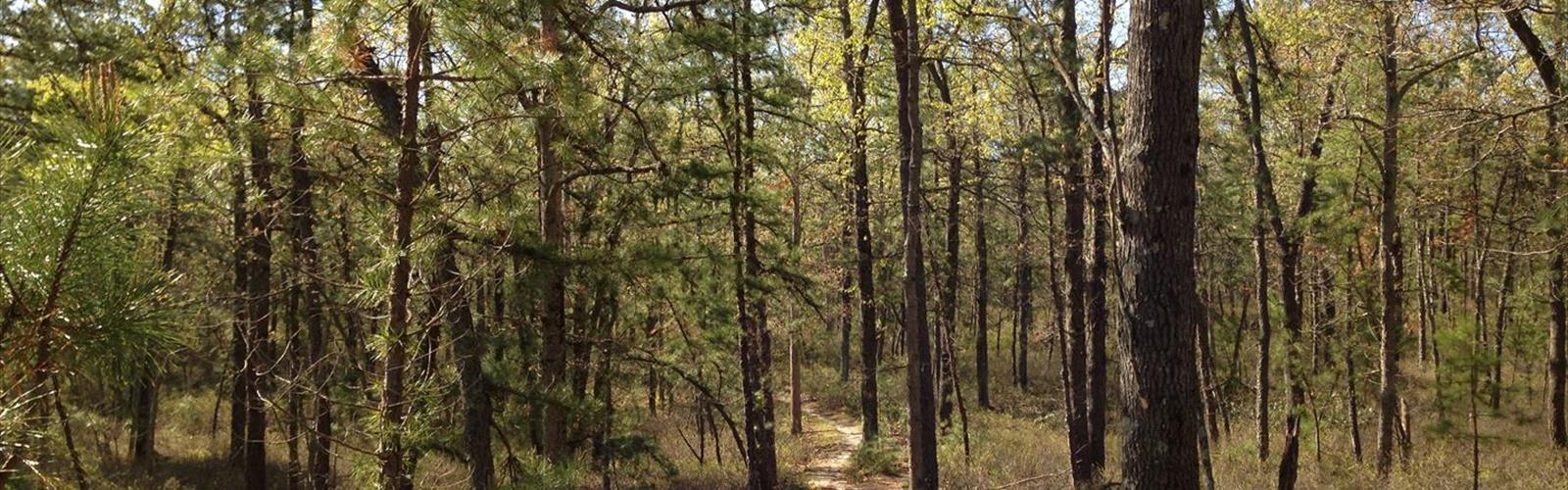
The Batona Trail cuts a 50-mile path through New Jersey's Pine Barrens, offering hikers one of the state's most distinctive wilderness experiences. This well-established trail traverses three state forests—Brendan T. Byrne, Wharton, and Bass River—creating a continuous corridor through landscapes that feel worlds away from New Jersey's urban reputation.
Trail Character and Terrain
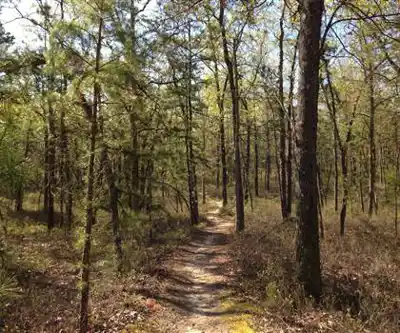
The Batona Trail's gentle terrain makes it accessible to hikers across skill levels, but don't mistake easy for boring. The trail's character comes from its journey through the unique Pine Barrens ecosystem, where sugar sand paths wind between towering pitch pines and through dense stands of oak and maple. You'll cross wooden bridges over tea-colored streams, their dark water stained by tannins from cedar and oak leaves.
The clearly marked path alternates between different environments throughout your hike. Dense pine forests give way to open meadows where sunlight filters through scattered trees. Cedar swamps create cool, shaded corridors where the air feels different—damper and rich with the scent of decomposing leaves. These diverse ecosystems mean the trail never feels monotonous, even on longer sections.
What sets the Batona Trail apart from other regional hikes is its immersion in the Pine Barrens' distinctive landscape. The sandy soil beneath your feet and the particular mix of vegetation create an environment unlike anywhere else in the Northeast. Fire-adapted plants thrive here, and you'll notice how the forest has evolved to survive and regenerate after periodic burns that keep the ecosystem healthy.
The Complete Trail Experience
Covering the full 80 kilometers of the Batona Trail represents a serious undertaking that showcases the Pine Barrens' complete ecosystem diversity. The trail's design allows hikers to experience gradual transitions between forest types, wetland systems, and open areas that define this unique landscape. Each state forest section brings its own personality—from the dense canopy areas where filtered light creates cathedral-like spaces, to the more open sections where you can appreciate the sky and feel the full scope of this wilderness.
The trail's routing takes advantage of natural corridors and historic pathways, following ridgelines when they exist and skirting wetlands to provide both scenic variety and ecological protection. You'll find yourself walking through areas where the forest floor is carpeted with pine needles and others where ferns and understory plants create lush ground cover. The consistent thread throughout is that distinctive sandy soil that makes every step feel different from typical northeastern hiking.
Hiking Options and Planning
The trail's length offers flexibility for different hiking goals. Day hikers can choose from numerous access points to tackle shorter sections, while backpackers can plan multi-day adventures covering the entire route. The well-marked paths and gentle terrain make navigation straightforward, though the Pine Barrens' sandy soil can be more tiring than expected over long distances.
For day hikes, consider starting from one of the main trailheads in any of the three state forests. Each section has its own character—some areas feature more water crossings, others wind through denser forest, and certain stretches open up into meadows and clearings. The modular nature of the trail means you can sample different environments on separate visits.
Multi-day hikers should plan for the trail's unique challenges. Water sources exist but require planning, and the sandy terrain can be surprisingly demanding on leg muscles accustomed to harder-packed trails. The relatively flat profile means elevation isn't a concern, but distance and endurance become the primary factors in completing longer sections.
Wildlife and Natural Features
The Pine Barrens support an impressive array of wildlife, and the Batona Trail provides excellent opportunities for observation. White-tailed deer are common throughout the forests, often visible in early morning or late afternoon. Red foxes inhabit the area, though sightings require patience and quiet movement. The trail's length increases your chances of wildlife encounters, as you'll pass through different habitat zones that support various species.
Birdwatchers will find the trail particularly rewarding, with the Pine Barrens hosting diverse bird communities. Warblers flit through the understory during migration seasons, while hawks soar overhead hunting in the open areas. The diverse habitats along the trail—from wetlands to upland forests—support different bird communities, making each section potentially rewarding for birding.
The streams and wetlands you'll encounter host their own wildlife communities. These water features not only provide scenic variety but also serve as wildlife corridors and drinking sources for forest animals. The tea-colored water, while safe, gets its distinctive hue from natural tannins and reflects the unique chemistry of Pine Barrens waterways.
Seasonal Considerations
Spring and fall offer the most comfortable hiking conditions on the Batona Trail. Spring brings mild temperatures and emerging foliage, while fall delivers vibrant colors as the deciduous trees change. These seasons also feature more moderate weather and fewer insects than summer months, making longer hiking days more enjoyable.
Fall foliage in the Pine Barrens differs from classic New England displays but has its own appeal. The mix of oaks, maples, and other deciduous trees creates warm yellows, oranges, and reds that contrast beautifully with the evergreen pines. The understory plants also contribute color, including the brilliant reds of blueberry bushes that carpet many areas.
Summer hiking is possible but requires more preparation for heat and humidity. The Pine Barrens can feel particularly warm due to the sandy soil and open areas, though the forested sections provide welcome shade. Winter hiking offers its own rewards, with snow highlighting the forest's structure and providing opportunities to see animal tracks in the sand and snow mix.
Practical Preparation
Water carries extra importance on the Batona Trail due to the sandy terrain and potential for warm conditions. Pack more water than you might for comparable distances on other trails, especially during warmer months. The exertion of walking on sand, even when relatively flat, increases fluid needs and can catch unprepared hikers off guard.
Sturdy hiking boots provide better support and comfort on the sandy surfaces than lighter footwear. The sand can work its way into shoes, so consider gaiters for longer hikes. Weather forecasts help with clothing choices, but the Pine Barrens can feel warmer than surrounding areas due to the sandy soil and sun exposure in open sections.
The trail's community aspect adds to its appeal. Fellow hikers share an appreciation for this unique environment, and you'll often find camaraderie among those who seek out the Pine Barrens' particular brand of wilderness. Whether hiking solo or with companions, the Batona Trail connects you with others who value New Jersey's hidden natural landscapes.
The Essential Hiking Checklist
Everything you need for your next hike. Bilingual, printable, 1 page.
Get your free hiking checklistRecommended gear for this trail
As an Amazon Associate I earn from qualifying purchases.


Ready to go?
Everything you need to know before you goStarting Point
The batona trail is located in the Pinelands of New Jersey. The easiest way to get there is to take exit 41 off of the Garden State Parkway and follow the signs to the batona trail.
When?
How much?
As an Amazon Associate I earn from qualifying purchases.
Affiliate links — LGPO may earn a commission at no extra cost to you.
- Hiking shoes Essential
- → Salomon Elixir Tour Mid WP · 203.38 $
- Layered clothing Essential
- Rain jacket Essential
- Trekking poles
- → Black Diamond Trail Ergo Cork · 69.99 $
- Headlamp
- → Petzl Actik Core 625 · 103.95 $
FAQ - Frequently asked questions
Everything you need to knowSimilar hikes nearby
Discover other trails you might enjoy

Hammonton Lake Park Trail
Pine Barrens

Barnegat Branch Trail, South Trailhead Parking
Pine Barrens
Oswego Lake
Pine Barrens
Double Trouble State Park
Pine Barrens
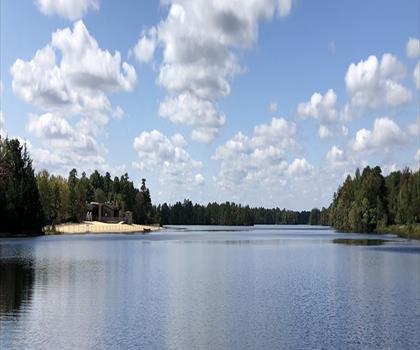
Atsion Lake
Pine Barrens
Lake Absegami
Pine Barrens
Hiking near Trenton
0 trails to explore ~49 km away
We work hard to provide the most up-to-date and error-free data possible. If something seems incorrect, let us know! Your contribution helps the whole community.
Hikers' opinions
Be the first to review!
No hiker has shared their experience yet. Share your impressions and help other hikers!