


Ready to explore Big White Mountain? Here's everything you need to know before you go!
Discover the trail
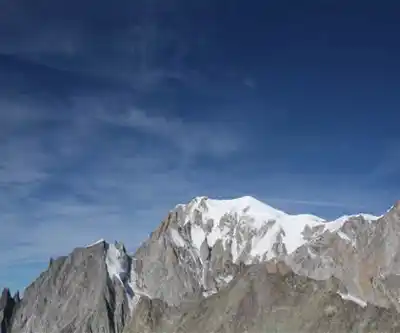
Trail description
Big White Mountain stands as one of the Thompson Okanagan's most rewarding hiking destinations, delivering an 8.5-kilometer adventure that climbs 580 meters through some of British Columbia's most diverse mountain terrain. This moderate trail strikes that perfect balance between challenge and accessibility, making it an ideal choice for hikers ready to push beyond easy walks but not quite prepared for the province's most demanding peaks.
The mountain earns its reputation through the quality of the hiking experience rather than just the destination. Over the course of roughly 3.5 hours, you'll move through distinct ecosystems that showcase the natural variety that makes this region of BC so compelling for outdoor enthusiasts. The trail design takes advantage of the mountain's natural features, creating a route that feels like a journey rather than simply a climb to a viewpoint.
The Hiking Experience
The trail begins in dense coniferous forest where towering firs and spruces create a cathedral-like atmosphere that immediately signals you're entering genuine mountain wilderness. The initial section follows a well-established path that allows you to settle into your hiking rhythm while the forest provides natural shade and protection from wind. This lower elevation terrain serves as an excellent warm-up, with moderate grades that prepare your legs for the more substantial climbing ahead.
As you gain elevation, the character of the hike transforms noticeably. The dense forest gradually opens up, revealing glimpses of the broader landscape and allowing more light to filter through the canopy. This transition zone often provides the first real sense of the elevation you're gaining, as views begin to extend beyond the immediate forest to hint at the panoramic vistas waiting higher up the mountain.
The middle section of the trail delivers the most consistent climbing, where you'll cover the majority of that 580-meter elevation gain. The path maintains a steady grade that challenges your cardiovascular system without becoming punishing. Well-placed switchbacks help manage the steepest sections, and the trail surface remains solid underfoot, reducing the risk of slips on loose rock or unstable terrain.
The final approach to Big White Mountain's summit opens into alpine terrain that feels distinctly different from the forested sections below. Here, hardy alpine plants have adapted to the shorter growing season and intense UV exposure of high elevation environments. The vegetation becomes more sparse and specialized, creating an almost otherworldly landscape that contrasts dramatically with the lush forest you hiked through earlier.
Summit Views and Alpine Environment
Reaching Big White Mountain's peak delivers the kind of panoramic views that make the climb worthwhile. From this vantage point, the Thompson Okanagan region spreads out below in a patchwork of valleys, rolling hills, and distant peaks that extend to the horizon. The summit provides multiple spots where you can rest and take in the scenery, with natural rocky seating areas that invite you to spend time absorbing the scale of the landscape.
The alpine environment at the summit creates its own microclimate that can feel dramatically different from conditions at the trailhead. Even on warm summer days, temperatures drop noticeably with elevation, and wind exposure increases significantly in the open terrain above treeline. This elevation also means weather can change rapidly, with afternoon thunderstorms developing quickly in mountain environments.
The summit area showcases the kind of specialized alpine ecosystem that thrives in these harsh conditions. Plants here grow low and compact, forming cushions and mats that can withstand strong winds and temperature extremes. During the brief alpine growing season, these hardy species produce surprisingly vibrant flowers that create splashes of color against the rocky terrain.
Wildlife and Natural Features
Big White Mountain supports diverse wildlife that adds an element of discovery to the hiking experience. Deer are commonly encountered throughout the area, particularly in the transitional zones between forest and open terrain. They're most active during early morning and evening hours, often grazing in small clearings or along the edges of meadows.
Marmots inhabit the rocky areas and alpine zones, and their distinctive whistles frequently serve as an audio backdrop to the higher elevation portions of the hike. These social animals live in colonies among the boulder fields and rocky outcrops, and spotting them adds an engaging wildlife component to the summit experience.
The area is also home to black bears, which means hikers need to follow proper bear safety protocols throughout the hike. Making noise on the trail, traveling in groups, and properly storing any food are essential practices. Bear encounters are relatively rare, but the possibility adds importance to being prepared and aware of your surroundings.
Trail Conditions and Seasonal Considerations
The trail to Big White Mountain's summit maintains good condition throughout the hiking season, with a well-defined path that's easy to follow even for hikers new to the area. The route includes some rocky sections, particularly as you approach the summit, but nothing that requires technical climbing skills or specialized equipment beyond standard hiking boots.
Seasonal changes dramatically alter the character of this hike. Summer conditions provide the most straightforward hiking, with dry trails and stable weather patterns. However, the mountain's elevation means snow can linger into late spring and return early in fall, potentially requiring different gear and preparation depending on the time of year.
The changing ecosystems with elevation create distinct seasonal experiences. Lower elevation forests may be lush and green while alpine areas are still emerging from winter conditions, or conversely, fall colors may be spectacular in the transitional zones while higher elevations have already received their first snow.
Practical Considerations
The moderate difficulty rating reflects both the physical demands and the technical requirements of this hike. The 8.5-kilometer distance and 580-meter elevation gain require solid cardiovascular fitness and leg strength, while the 3.5-hour duration means you need to pace yourself appropriately and carry adequate water and snacks.
Weather preparedness becomes crucial given the elevation gain and exposure to changing mountain conditions. Layered clothing allows you to adjust to temperature changes as you climb, while waterproof protection guards against sudden weather changes that can develop rapidly in mountain environments. Even on clear days, conditions at the summit can be significantly different from those at the trailhead.
The trail's location in the Thompson Okanagan region makes it accessible for both day trips and longer outdoor adventures. The mountain serves as an excellent introduction to serious hiking in British Columbia, providing genuine mountain experience while remaining within the capabilities of moderately fit hikers who are ready to challenge themselves in alpine terrain.
The Essential Hiking Checklist
Everything you need for your next hike. Bilingual, printable, 1 page.
Get your free hiking checklistRecommended gear for this trail
As an Amazon Associate I earn from qualifying purchases.


Ready to go?
Everything you need to know before you goStarting Point
The start of the trails at the big white mountain can be accessed from the village of Big White.
When?
How much?
As an Amazon Associate I earn from qualifying purchases.
Affiliate links — LGPO may earn a commission at no extra cost to you.
- Hiking shoes Essential
- → Salomon Elixir Tour Mid WP · 203.38 $
- Layered clothing Essential
- Rain jacket Essential
- Trekking poles
- → Black Diamond Trail Ergo Cork · 69.99 $
- Headlamp
- → Petzl Actik Core 625 · 103.95 $
FAQ - Frequently asked questions
Everything you need to knowSimilar hikes nearby
Discover other trails you might enjoy

Big White Ski Resort
Thompson Okanagan
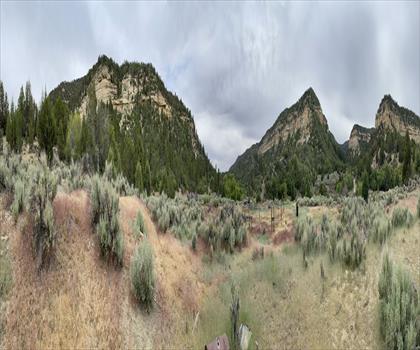
Cougar Canyon
Thompson Okanagan
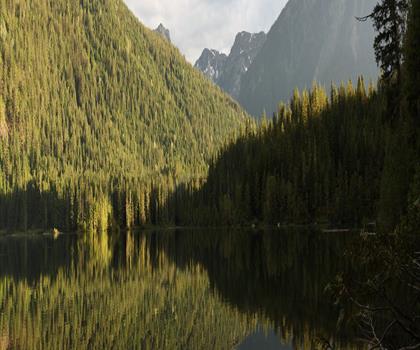
Spectrum Lake
Thompson Okanagan
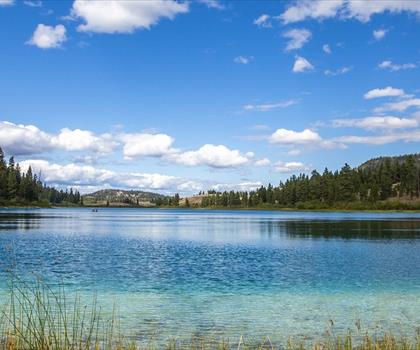
Kentucky Lake
Thompson Okanagan
Clearwater Lake
Thompson Okanagan
Mahood Lake
Thompson Okanagan
Hiking near Kelowna
45 trails to explore ~43 km away
We work hard to provide the most up-to-date and error-free data possible. If something seems incorrect, let us know! Your contribution helps the whole community.
Hikers' opinions
Be the first to review!
No hiker has shared their experience yet. Share your impressions and help other hikers!