

Ready to explore Okanagan Lake? Here's everything you need to know before you go!
Discover the trail
Trail description
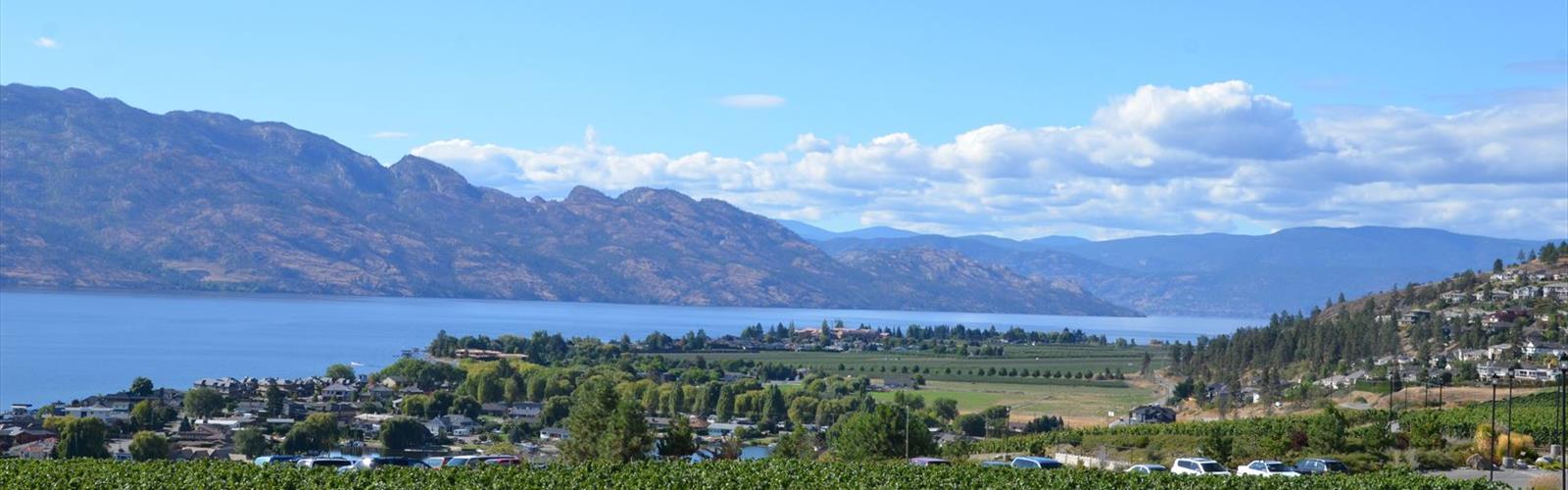
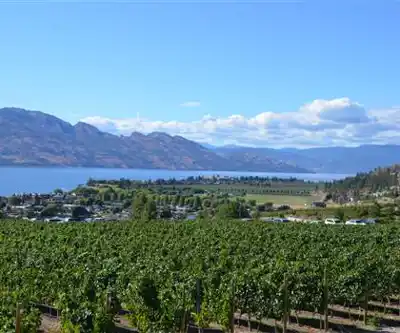
Okanagan Lake stretches 135 kilometers through British Columbia's Thompson Okanagan region, creating a massive recreational playground surrounded by rolling hills, vineyards, and mountain peaks. Rather than a single hiking destination, this area offers dozens of trail networks that take advantage of the lake's dramatic setting and diverse terrain. The combination of lakeside paths, forested hillsides, and mountain viewpoints makes this one of BC's most varied hiking regions.
The trails around Okanagan Lake cater to every hiking preference, from flat rail-trail walks perfect for families to steep mountain ascents that challenge experienced hikers. What sets this area apart is the constant presence of the lake itself—whether you're hiking high ridges or meandering through valley floors, those distinctive blue waters and the patchwork of orchards and vineyards create a uniquely beautiful backdrop that changes with the seasons.
Trail Networks and Terrain
The Kettle Valley Rail Trail represents the most accessible hiking in the region, following the historic railway grade along gentle grades with minimal elevation change. This converted rail line offers some of the best panoramic views of Okanagan Lake, especially the sections that curve around hillsides high above the water. The trail surface consists of packed gravel and crushed rock, making it suitable for hiking boots or trail runners. Along the way, you'll pass through several trestle bridges and rock cuts that showcase the engineering required to build railways through this mountainous terrain.
Knox Mountain Park in Kelowna provides a completely different hiking experience with its network of interconnected trails climbing through dry grasslands and Ponderosa pine forests. The terrain here is typical of the Okanagan's semi-arid environment—rocky, steep in places, and covered with the distinctive vegetation that thrives in hot, dry summers. The main trail to the summit involves steady climbing through switchbacks, but the payoff includes sweeping views of Kelowna, the lake, and the surrounding valley.
The diversity of terrain around Okanagan Lake reflects the region's unique geography. Lower elevation trails wind through riparian zones near the lakeshore, where cottonwoods and willows create shaded corridors. Mid-elevation hikes traverse the benchlands covered in sagebrush, bunchgrass, and scattered pine trees. Higher trails climb into montane forests of Douglas fir and aspen, offering cooler temperatures and different wildlife viewing opportunities.
Wildlife and Natural Features
The varied ecosystems around Okanagan Lake support an impressive range of wildlife that hikers encounter regularly. Mule deer are common throughout the area, often seen grazing in open meadows during early morning or evening hikes. The region's healthy population of black bears means hikers should carry bear spray and make noise on trails, especially during berry season in late summer.
Birdwatchers will find exceptional opportunities around Okanagan Lake, particularly for raptors. Golden eagles and red-tailed hawks soar above the ridgelines, while osprey nest near the water and can be seen diving for fish. The lake itself attracts waterfowl during migration periods, and the surrounding forests host everything from woodpeckers to songbirds.
The plant life changes dramatically with elevation and season. Spring brings spectacular wildflower displays, with balsamroot sunflowers covering entire hillsides in yellow blooms. Summer hiking reveals the adaptations of desert plants like prickly pear cactus and sagebrush, while fall offers brilliant aspen colors in the higher elevations. The contrast between the arid lower slopes and the lusher mountain environments makes every hike a lesson in ecological diversity.
Water Activities and Multi-Sport Options
One of Okanagan Lake's greatest advantages for outdoor enthusiasts is the seamless combination of land and water activities. After completing a morning hike, the lake's warm summer waters provide perfect relief from the heat. The numerous beaches and access points mean you can plan hikes that end at swimming spots, making this an ideal destination for hot weather adventures.
Kayaking and paddleboarding complement the hiking experience beautifully, offering a different perspective on the landscapes you've just explored from above. The lake's size means you can paddle for hours while still seeing new terrain, and the relatively calm waters make it suitable for beginners. Fishing opportunities abound, with the lake supporting populations of rainbow trout, kokanee salmon, and other species.
Seasonal Considerations and Planning
The Okanagan's climate creates distinct hiking seasons, each with its own advantages. Spring arrives early, with lower elevation trails often hikeable by March, though higher elevations may have snow into May. This is wildflower season, when the desert blooms create some of the most photogenic hiking conditions in British Columbia.
Summer brings hot, dry weather that makes early morning or evening hikes most comfortable. The lack of rain means trails stay in excellent condition, but hikers need to carry plenty of water and plan for temperatures that can exceed 30°C. The long daylight hours allow for extended adventures, and the warm lake water makes post-hike swims irresistible.
Fall offers some of the best hiking weather, with warm days, cool nights, and spectacular colors in the deciduous trees. Winter hiking is possible on lower elevation trails, though snow and ice can create challenging conditions on north-facing slopes and higher elevations.
Access and Practical Information
The Okanagan Lake region's extensive trail network means access points are scattered throughout the valley, from Penticton in the south to Vernon in the north. Most trailheads offer parking, though popular spots like Knox Mountain can fill up on summer weekends. The Kettle Valley Rail Trail has multiple access points, allowing hikers to choose sections that match their time and energy levels.
The combination of easy access, diverse terrain, and reliable weather makes Okanagan Lake hiking suitable for families, solo adventurers, and groups with varying abilities. The presence of nearby amenities—restaurants, accommodations, and outdoor gear shops—means you can base yourself in one of the valley's communities and explore different trail networks each day.
The Essential Hiking Checklist
Everything you need for your next hike. Bilingual, printable, 1 page.
Get your free hiking checklistRecommended gear for this trail
As an Amazon Associate I earn from qualifying purchases.


Ready to go?
Everything you need to know before you goStarting Point
The start of the trails at the okanagan lake in British Columbia can be accessed from various points around the lake. There are also a few different trailheads that provide access to the trails.
When?
How much?
As an Amazon Associate I earn from qualifying purchases.
Affiliate links — LGPO may earn a commission at no extra cost to you.
- Hiking shoes Essential
- → Salomon Elixir Tour Mid WP · 203.38 $
- Layered clothing Essential
- Rain jacket Essential
- Trekking poles
- → Black Diamond Trail Ergo Cork · 69.99 $
- Headlamp
- → Petzl Actik Core 625 · 103.95 $
FAQ - Frequently asked questions
Everything you need to knowSimilar hikes nearby
Discover other trails you might enjoy

Big White Ski Resort
Thompson Okanagan
Cougar Canyon
Thompson Okanagan
Spectrum Lake
Thompson Okanagan
Kentucky Lake
Thompson Okanagan
Clearwater Lake
Thompson Okanagan
Mahood Lake
Thompson Okanagan
Hiking near Kelowna
45 trails to explore ~6 km away
We work hard to provide the most up-to-date and error-free data possible. If something seems incorrect, let us know! Your contribution helps the whole community.
Hikers' opinions
Be the first to review!
No hiker has shared their experience yet. Share your impressions and help other hikers!