
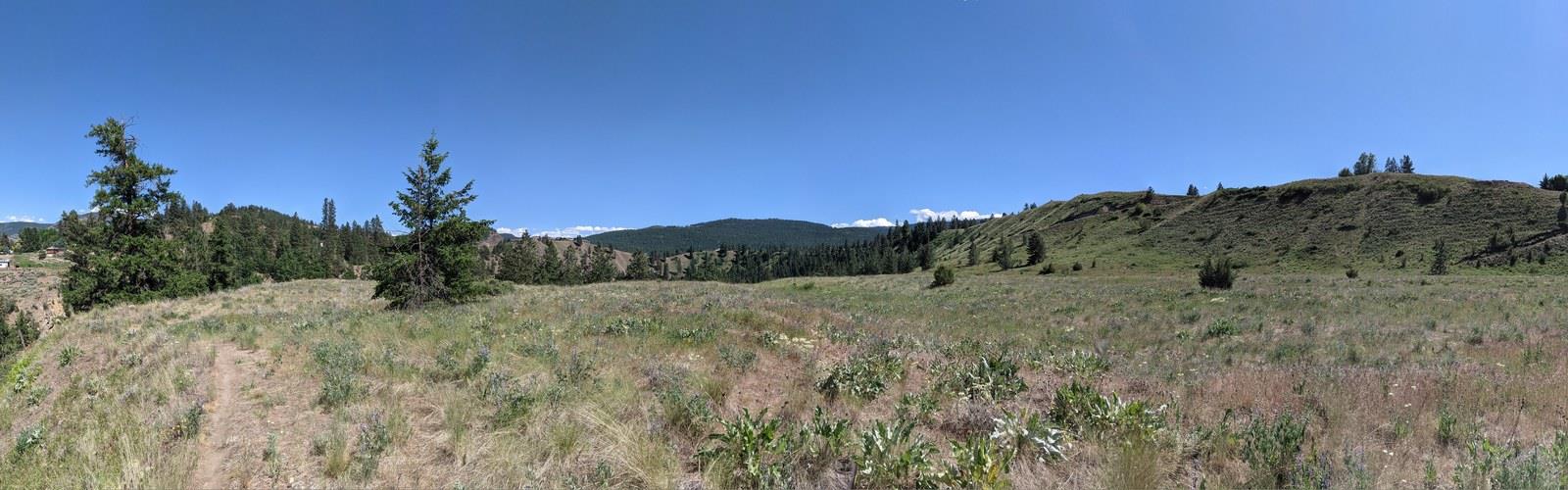

Ready to explore Scenic Canyon Regional Park? Here's everything you need to know before you go!
Discover the trail
Oh no! We don't have any photos 😢
This trail hasn't been captured yet. Be the first to share your adventure!Trail description
Scenic Canyon Regional Park sits just outside Kelowna in British Columbia's Thompson Okanagan region, offering hikers a surprisingly diverse landscape within easy reach of the city. This 2.5-kilometer trail system delivers everything from gentle creek-side walks to more demanding climbs with 200 meters of elevation gain, all while showcasing fascinating geological features that tell the story of the region's volcanic past. Most hikers complete the main route in about an hour and fifteen minutes, making it perfect for a morning adventure or afternoon escape.
Trail Experience and Terrain
The park's trail system accommodates everyone from families with young children to experienced hikers looking for a solid workout. The paths wind through dense forests of Douglas fir and ponderosa pine before opening into meadows and rocky outcrops that provide excellent viewpoints. You'll find yourself crossing wooden bridges over Mission Creek, navigating switchbacks up hillsides, and picking your way across sections of exposed rock.
The terrain varies significantly as you move through the park. Lower elevation trails follow Mission Creek through shaded forest corridors where the sound of flowing water accompanies your steps. The initial section feels gentle and welcoming, with well-maintained paths that ease you into the hike. As you climb higher, the landscape opens up to reveal the dramatic rock formations that give the park its character.
Some sections involve scrambling over boulders and navigating loose scree, while others follow well-maintained paths suitable for most fitness levels. The 200-meter elevation gain happens gradually for the most part, though a few steeper sections will get your heart rate up. The variety keeps things interesting – just when you settle into a rhythm on smooth trail, you'll encounter a rocky section that demands more attention to foot placement.
Geological Highlights
What sets Scenic Canyon Regional Park apart from other hiking destinations in the Okanagan is its remarkable geological diversity. The park sits on ancient lava flows that created the dramatic canyon walls and unique rock formations you'll encounter throughout your hike. These volcanic origins become obvious as you explore, with dark basalt columns and weathered lava rock creating natural sculptures along the trails.
Layer Cake Mountain stands as the park's signature geological feature. This striking formation displays distinct horizontal bands of sedimentary rock that look exactly like layers in a cake, hence the name. The mountain provides an excellent example of how different geological periods left their mark on this landscape, with each layer representing a different era in the region's formation. The contrast between these sedimentary layers and the surrounding volcanic rock creates a fascinating geological classroom.
The canyon itself cuts deep into the surrounding plateau, creating dramatic walls that rise on either side of Mission Creek. These walls expose millions of years of geological history, and you'll notice how the rock changes color and composition as you move through different sections of the park. The interplay between water erosion and volcanic activity becomes clear as you observe how Mission Creek carved its path through the ancient lava flows.
Wildlife and Natural Features
The park supports a healthy population of wildlife that you're likely to encounter during your visit. Mule deer are common throughout the area, often seen grazing in meadows during early morning or late afternoon hours. Their large ears and alert posture make them easy to identify, and they're generally tolerant of hikers who maintain a respectful distance.
The diverse bird population includes everything from small songbirds in the forest understory to raptors soaring above the canyon walls. Hawks and eagles use the thermal currents rising from the canyon to gain altitude, creating excellent wildlife viewing opportunities for patient observers. The transition between forest and open areas provides habitat for species with different preferences, increasing your chances of varied wildlife encounters.
Black bears do inhabit the area, particularly during berry season in late summer. While encounters are relatively rare, it's important to make noise while hiking and properly store any food you bring. The park's location in the transition zone between dry interior forests and more lush creek-side environments creates habitat for a wide variety of species.
Spring and summer transform the park's meadows into colorful displays of wildflowers. Depending on the season and recent weather, you might see lupines, Indian paintbrush, and various members of the sunflower family creating natural gardens among the grasses. These flowering periods typically peak in late May through July, though timing varies with elevation and annual precipitation.
Mission Creek and Water Features
Mission Creek serves as the park's central feature, providing both scenic beauty and recreational opportunities. The creek flows year-round, though water levels fluctuate significantly between spring snowmelt and late summer low flows. Several spots along the creek offer excellent places to rest, refill water bottles, or simply enjoy the sound of flowing water.
The creek creates a series of pools and small cascades as it navigates the rocky terrain, each offering its own character and charm. Some pools are deep enough to reflect the surrounding canyon walls, while others rush over granite shelves in miniature waterfalls. The clear mountain water and rocky pools create ideal habitat for fish populations, making it a destination for anglers interested in trying their luck in a beautiful natural setting.
Historical Elements and Human Heritage
As you explore the park, you'll come across remnants of the area's mining history scattered throughout the landscape. Old mining equipment, abandoned workings, and traces of historical roads provide glimpses into the region's past when prospectors and miners worked these hills looking for valuable minerals. These historical elements add an interesting dimension to your hike, connecting you to the people who worked this land generations ago.
The mining remnants serve as reminders of how this landscape has been shaped by both natural forces and human activity. Rusted machinery and old tailings piles tell stories of boom and bust cycles that characterized much of the interior's development. These artifacts blend into the landscape now, becoming part of the park's character rather than intrusions upon it.
Practical Hiking Considerations
The park's proximity to Kelowna makes it easily accessible for day trips, yet once you're on the trails, the city feels far away. This accessibility means you can enjoy a genuine wilderness experience without the time commitment required for more remote destinations. The combination of easy access and diverse terrain makes it an ideal choice for testing gear, building fitness, or introducing newcomers to hiking.
Come prepared with sturdy hiking boots, as much of the terrain involves walking on loose rock, uneven surfaces, and potentially slippery creek crossings. The volcanic rock can be particularly challenging when wet, so take extra care during or after rain. Bring plenty of water, especially during summer months when temperatures can climb significantly and the exposed sections offer little shade.
The park offers year-round hiking opportunities, though each season brings different conditions and experiences. Spring provides wildflower displays and full creek flows, summer offers warm weather and clear skies, fall brings changing colors in the deciduous vegetation, and winter can provide opportunities for snowshoeing when conditions permit.
The Essential Hiking Checklist
Everything you need for your next hike. Bilingual, printable, 1 page.
Get your free hiking checklistRecommended gear for this trail
As an Amazon Associate I earn from qualifying purchases.


Ready to go?
Everything you need to know before you goStarting Point
The scenic canyon regional park is located in British Columbia. To get to the start of the trails, take exit 135 from Highway 1 and drive south on Dewdney Trunk Road for about 5 kilometers. The park will be on your left.
When?
How much?
As an Amazon Associate I earn from qualifying purchases.
Affiliate links — LGPO may earn a commission at no extra cost to you.
- Hiking shoes Essential
- → Salomon Elixir Tour Mid WP · 203.38 $
- Layered clothing Essential
- Rain jacket Essential
- Trekking poles
- → Black Diamond Trail Ergo Cork · 69.99 $
- Headlamp
- → Petzl Actik Core 625 · 103.95 $
FAQ - Frequently asked questions
Everything you need to knowSimilar hikes nearby
Discover other trails you might enjoy

Big White Ski Resort
Thompson Okanagan
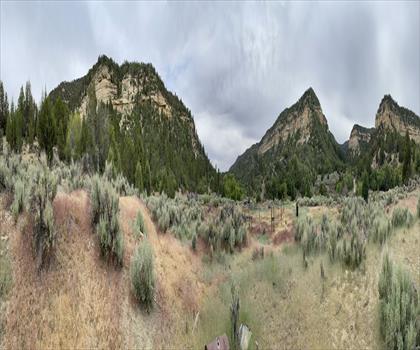
Cougar Canyon
Thompson Okanagan
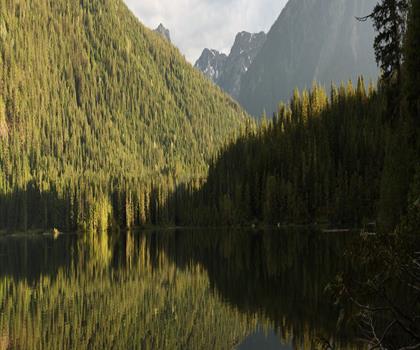
Spectrum Lake
Thompson Okanagan
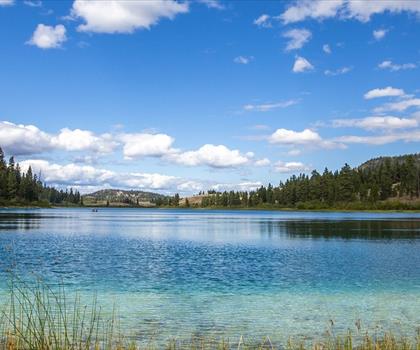
Kentucky Lake
Thompson Okanagan
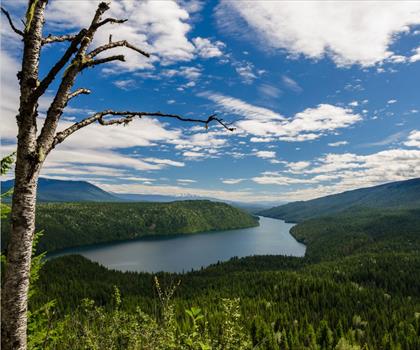
Clearwater Lake
Thompson Okanagan
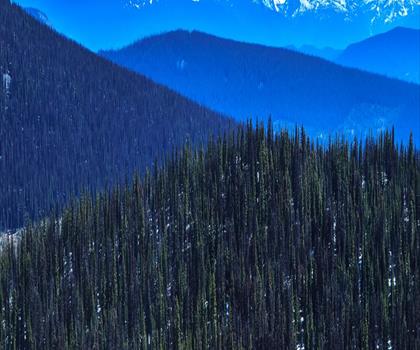
Mahood Lake
Thompson Okanagan
Hiking near Kelowna
45 trails to explore ~10 km away
We work hard to provide the most up-to-date and error-free data possible. If something seems incorrect, let us know! Your contribution helps the whole community.
Hikers' opinions
Be the first to review!
No hiker has shared their experience yet. Share your impressions and help other hikers!