
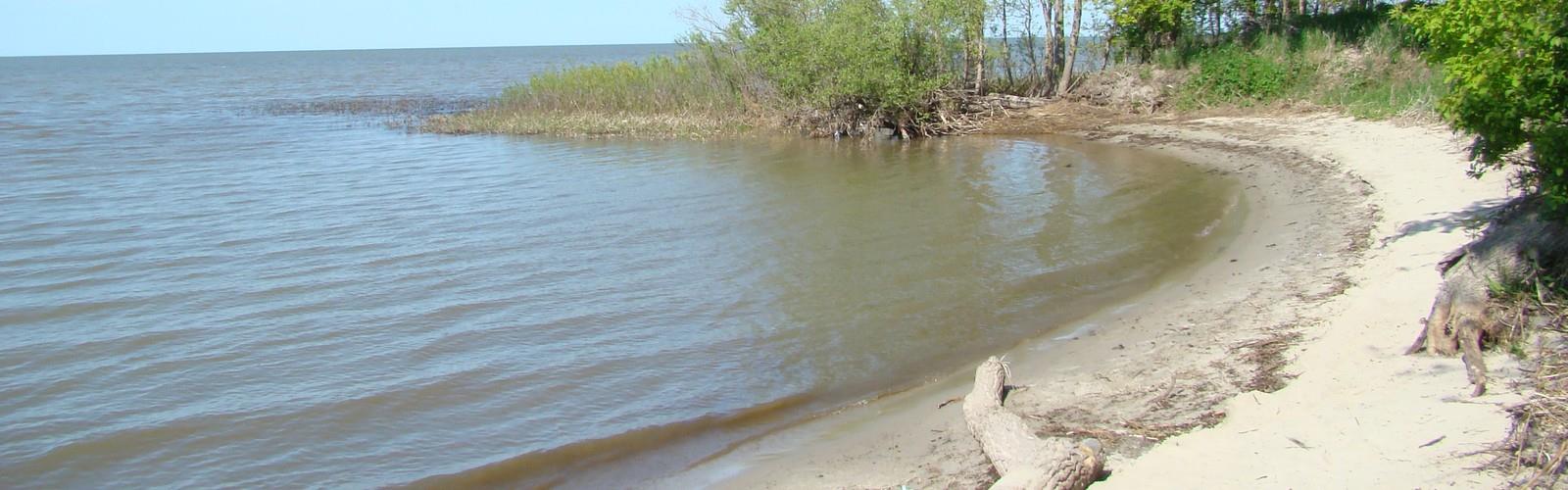

Ready to explore Lake Manitoba? Here's everything you need to know before you go!
Discover the trail
Oh no! We don't have any photos 😢
This trail hasn't been captured yet. Be the first to share your adventure!Trail description
Lake Manitoba stretches across the Interlake region of Manitoba as the province's largest lake, creating a diverse landscape where prairie grasslands meet wetland ecosystems. This massive body of water, shallow and wind-swept, supports one of North America's most important waterfowl staging areas while offering hikers access to a unique combination of lakefront, grassland, and marsh environments that few other destinations can match.
The hiking experience here differs significantly from mountain or forest trails. You'll traverse relatively flat terrain with minimal elevation changes, making this an accessible destination for hikers of all abilities. The landscape opens up in every direction, offering expansive views across the lake and surrounding prairie that create a sense of vastness rarely found elsewhere in Manitoba.
Trail Network and Terrain
Multiple hiking routes wind through the diverse ecosystems surrounding Lake Manitoba, each offering different perspectives on this remarkable landscape. The trails range from easy lakefront walks perfect for beginners to longer routes that challenge more experienced hikers with distance rather than elevation.
Lakeshore trails follow the water's edge, where you'll walk on sandy beaches interspersed with rocky sections and marshy inlets. The shoreline constantly changes character as you move along it - one moment you're on firm sand with waves lapping nearby, the next you're navigating around cattail marshes where the boundary between land and water blurs.
Prairie trails lead inland through native grasslands that showcase the region's original ecosystem. These paths take you through areas where tall grasses wave in the constant prairie wind, and wildflowers create seasonal displays of color. The open nature of this terrain means you can often see for miles in every direction, with the lake serving as a constant reference point.
Forest trails, though less common in this primarily grassland region, wind through scattered groves of aspen and oak that provide welcome shade and a different hiking experience. These wooded sections often harbor different wildlife species and offer respite from the prairie sun during summer months.
Wildlife Viewing Opportunities
Lake Manitoba's position along the Central Flyway makes it a premier destination for wildlife observation, particularly during spring and fall migration periods. The lake and surrounding wetlands support hundreds of thousands of waterfowl, creating spectacular viewing opportunities for hikers who time their visits correctly.
Bald eagles are year-round residents, often visible soaring overhead or perched along the shoreline. During winter months, when much of the lake remains ice-free due to its shallow depth and wind action, eagles concentrate in areas where fish remain accessible. Spring brings the return of osprey, which nest on platforms and dead trees around the lake's perimeter.
The lake's shallow waters and extensive marsh systems support river otters, which hikers occasionally spot playing in quiet bays or swimming between cattail stands. Muskrats are more commonly seen, especially in the early morning or evening hours when they're most active.
White-tailed deer frequent the area, particularly in the transitional zones between grassland and forest. During dawn and dusk, they often venture onto the beaches to drink, providing excellent photography opportunities for patient hikers.
The diversity of bird species extends far beyond waterfowl. Grassland species like bobolinks, sedge wrens, and various sparrow species inhabit the prairie areas, while marsh wrens and red-winged blackbirds dominate the wetland edges. Raptors including northern harriers, rough-legged hawks, and short-eared owls hunt over the grasslands, especially during migration periods.
Seasonal Considerations
The hiking experience at Lake Manitoba varies dramatically with the seasons, each offering distinct advantages and challenges. Summer provides the most comfortable hiking conditions with warm temperatures and accessible trails, but also brings biting insects that can be intense near the water and in marshy areas.
Spring migration, typically peaking in late April and early May, offers the most spectacular wildlife viewing opportunities. Hundreds of thousands of waterfowl use the lake as a staging area, creating an almost overwhelming sensory experience. However, trails may be muddy from snowmelt, and weather can be unpredictable.
Fall migration extends from late August through October, providing another excellent window for wildlife observation with generally more stable weather conditions. The prairie grasses turn golden, creating beautiful photographic opportunities against the blue lake waters.
Winter hiking is possible but requires proper preparation for harsh prairie conditions. The lake's tendency to remain partially ice-free creates unique viewing opportunities for cold-weather wildlife, but hikers must be prepared for extreme wind chill and rapidly changing conditions.
Planning Your Visit
Pack hiking boots suitable for varied terrain, as you'll encounter everything from sandy beaches to muddy marsh edges to firm prairie ground. Waterproof footwear is particularly important during spring and after rain events, when low-lying areas can become quite soggy.
Binoculars are essential for wildlife viewing, given the open nature of the landscape and the distance at which you'll often observe animals. A spotting scope can be valuable for serious birdwatchers, particularly during migration periods when waterfowl may be concentrated far from shore.
Sun protection becomes critical in this exposed environment. The combination of direct sunlight and reflection off the water can be intense, making sunscreen, hats, and sunglasses necessary even on partly cloudy days. The constant prairie wind can mask the intensity of UV exposure.
Insect protection is vital during summer months, particularly near wetland areas where mosquitoes and biting flies can be overwhelming. Long pants and long-sleeved shirts, combined with effective insect repellent, make the difference between an enjoyable hike and a miserable experience.
Check local guidelines and regulations before visiting, as some areas around the lake may have seasonal restrictions to protect nesting wildlife. Water levels can fluctuate significantly, affecting trail accessibility and wildlife distribution patterns throughout the hiking season.
The Essential Hiking Checklist
Everything you need for your next hike. Bilingual, printable, 1 page.
Get your free hiking checklistRecommended gear for this trail
As an Amazon Associate I earn from qualifying purchases.


Ready to go?
Everything you need to know before you goStarting Point
The start of the trails at the lake manitoba can be accessed by travelling north on Highway 6 from Winnipeg. The trailhead is located approximately 30 kilometres north of Winnipeg.
When?
How much?
As an Amazon Associate I earn from qualifying purchases.
Affiliate links — LGPO may earn a commission at no extra cost to you.
- Hiking shoes Essential
- → Salomon Elixir Tour Mid WP · 203.38 $
- Layered clothing Essential
- Rain jacket Essential
- Trekking poles
- → Black Diamond Trail Ergo Cork · 69.99 $
- Headlamp
- → Petzl Actik Core 625 · 103.95 $
FAQ - Frequently asked questions
Everything you need to knowSimilar hikes nearby
Discover other trails you might enjoy

Hiking near Winnipeg
17 trails to explore ~121 km away
We work hard to provide the most up-to-date and error-free data possible. If something seems incorrect, let us know! Your contribution helps the whole community.
Hikers' opinions
Be the first to review!
No hiker has shared their experience yet. Share your impressions and help other hikers!