


Ready to explore Kouchibouguac National Park? Here's everything you need to know before you go!
Discover the trail
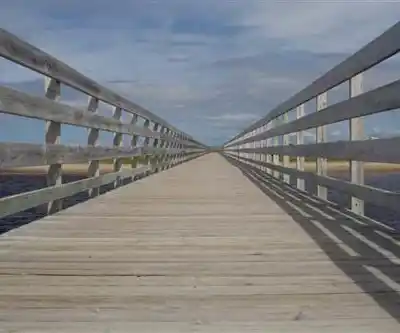
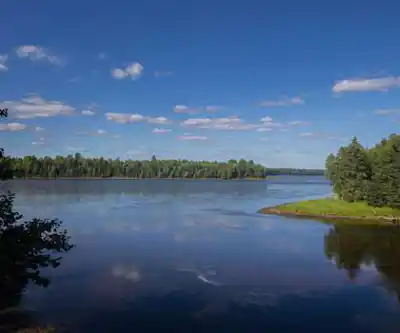

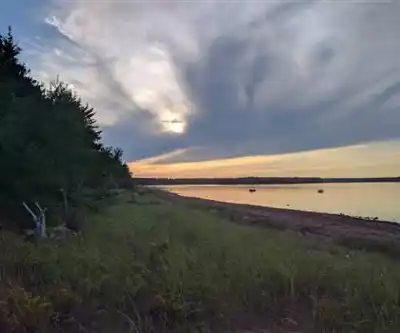
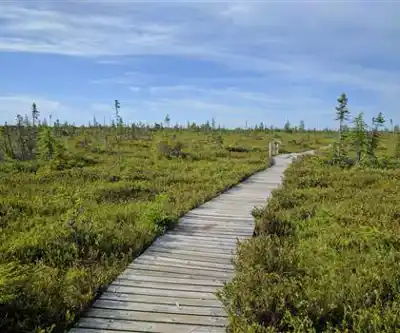
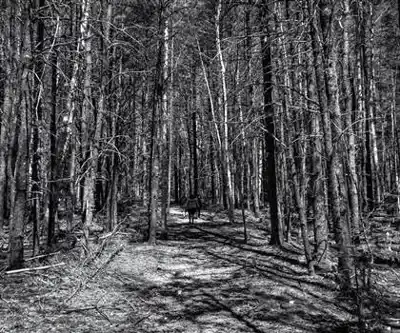


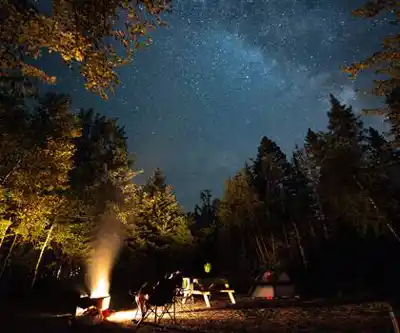
Photos: vitch — CC BY-NC-SA (Flickr) Erminig Gwenn — CC BY-NC-ND (Flickr) Mindmatrix — CC BY-SA (Wikimedia Commons) Shawn Harquail — CC BY-NC (Flickr)
Trail description
Kouchibouguac National Park stretches along New Brunswick's Northumberland Shore, offering 60 kilometers of trails through one of Atlantic Canada's most distinctive coastal environments. This isn't a place for peak-bagging or dramatic elevation changes—with only 20 meters of total elevation gain across the entire trail system, the park's appeal lies in its expansive maritime landscape and the steady, meditative rhythm it encourages. The hiking here is about moving through protected coastal terrain where salt air, shifting light, and open horizons shape every step of your journey.
The park's trail network can be tackled in sections or as longer day hikes, with an easy difficulty rating that makes it accessible to most hikers. Individual trails vary in duration—the popular Kouchibouguac River Trail, for example, covers 11.3 km one way and takes 4.5 to 5 hours. The modular nature of the system means you can easily adjust your day on the trails based on time and energy available. What sets Kouchibouguac apart from inland hiking areas is how the coastal setting influences everything—your sense of direction often comes from reading the shoreline and weather patterns rather than following ridge lines or valley floors.
Terrain and Trail Character
The minimal elevation gain of 20 meters tells you immediately that this isn't about grinding up steep climbs. Instead, the effort comes from sustained forward movement across varied coastal terrain. You'll encounter gentle undulations—brief rises that change your stride for a few minutes before settling back into easier walking. These small elevation changes are more about rhythm management than cardiovascular challenge, making this an ideal place to practice efficient pacing and smooth transitions.
The trail surfaces vary from packed sand and boardwalks near wetland areas to firmer ground through coastal forest sections. Expect some sections where the footing requires attention—not because it's technically difficult, but because coastal environments can shift with weather and season. The terrain encourages a steady, observant walking style rather than the aggressive hiking pace you might use on mountain trails.
What makes the walking particularly engaging is how the landscape opens and closes around you. One section might take you through dense Acadian coastal forest where the canopy creates an intimate, sheltered feeling, while the next brings you out onto exposed areas where you can see for kilometers across the Northumberland Strait. These transitions happen gradually, giving you time to adjust your layers and appreciate how dramatically the coastal environment can change character.
The Coastal Hiking Experience
Hiking at Kouchibouguac feels fundamentally different from inland trail experiences. The maritime influence creates an atmosphere of space and light that affects how you perceive distance and time. Even on shorter sections, the expansive views and constant presence of the ocean can make a modest walk feel more significant and restorative than the mileage might suggest.
The sensory experience is rich and constantly shifting. Salt air carries different scents depending on wind direction and tide conditions. The light has that particular coastal quality—bright and clear, but softened by moisture in the air. Sound travels differently here too, with the constant background presence of waves and wind through coastal vegetation creating a natural soundtrack that many hikers find deeply relaxing.
Because the physical demands are moderate, you have mental space to appreciate these subtleties. This is hiking that rewards attention to detail: noticing how the vegetation changes as you move between exposed and sheltered areas, watching for the wildlife that thrives in this protected coastal ecosystem, and developing an intuitive sense for how weather moves across open water and affects conditions on land.
Pacing and Effort Management
The key to hiking well at Kouchibouguac is understanding that consistent, sustainable movement matters more than power or speed. Start with a pace that feels almost conservative—the gentle terrain can be deceptive, and many hikers begin too aggressively only to find themselves working harder than necessary as the day progresses.
When you encounter the small elevation gains, resist the urge to power through them. Instead, maintain your breathing rhythm and let your pace adjust naturally. These brief climbs should feel like mild interruptions in your walking flow rather than obstacles that require a change in technique. Use them as opportunities to check your posture and scan ahead for route-finding, then settle back into your baseline rhythm.
The coastal environment also demands attention to energy management in ways that might be unfamiliar to hikers used to inland trails. Wind exposure can be more significant than expected, even on warm days. The combination of sun reflection off water and salt air can increase dehydration rates. Regular small snacks and consistent hydration become more important than they might seem given the easy difficulty rating.
Who Should Hike Here
Kouchibouguac's trail system serves a wide range of hikers particularly well. Beginners will find it an excellent place to develop fundamental hiking skills—pacing, layering, navigation, and energy management—without the intimidation factor of steep terrain. The forgiving elevation profile means you can focus on technique and building confidence rather than just surviving the physical challenge.
Experienced hikers often discover that Kouchibouguac offers something different from their usual mountain or backcountry experiences. It's an ideal choice for active recovery days when you want to keep moving but avoid high-intensity effort. The coastal setting provides enough sensory richness and environmental interest to keep the experience engaging even when the physical challenge is modest.
Families and mixed-ability groups find the park particularly accommodating. The modular trail system allows for easy route adjustments based on energy levels and interest, while the consistent difficulty means stronger hikers won't be held back and less experienced members won't be pushed beyond their comfort zone.
Fitness-focused walkers appreciate the opportunity for sustained movement without the stop-and-start rhythm that steep terrain often imposes. The trails support the kind of steady, continuous effort that builds aerobic endurance and allows you to settle into a meditative walking rhythm.
Practical Preparation
Coastal hiking requires a slightly different preparation mindset than inland trails. Weather can change more quickly and dramatically, so layering systems become particularly important. Bring pieces you can add or remove easily as you move between exposed and sheltered sections or as wind conditions shift throughout the day.
Footwear should prioritize comfort for sustained walking over aggressive traction. The terrain rarely demands technical hiking boots, but you'll want something supportive enough for several hours of continuous movement across varied surfaces. Consider how your feet will feel after extended time on sandy or soft surfaces, which can create different fatigue patterns than rocky mountain trails.
Sun protection takes on added importance in the coastal environment. The combination of direct sun and reflection off water can be more intense than expected, even on partially cloudy days. A hat and sunglasses often prove more valuable than they would on forested inland trails.
Finally, approach the day with a mindset that values process over achievement. Kouchibouguac rewards hikers who can appreciate the journey itself—the gradual unfolding of coastal landscapes, the subtle changes in light and weather, and the satisfaction of moving smoothly and efficiently through a protected natural environment that represents some of the best of New Brunswick's Northumberland Shore.
Recommended gear for this trail


Ready to go?
Everything you need to know before you goStarting Point
The kouchibouguac national park is located in New Brunswick, Canada. The easiest way to get to the start of the trails is to drive to the park and then follow the signs to the trailhead.
When?
How much?
- Hiking shoes Essential
- → Salomon Elixir Tour Mid WP · 203.38 $
- Layered clothing Essential
- Rain jacket Essential
- Trekking poles
- → Black Diamond Trail Ergo Cork · 69.99 $
- Headlamp
- → Petzl Actik Core 625 · 103.95 $
FAQ - Frequently asked questions
Everything you need to know
25 hikes under 2 hours from Montreal
Distance, elevation, parking and season for each one. The ones we go back to ourselves.
Get the guideSimilar hikes nearby
Discover other trails you might enjoy

Hiking near Moncton
14 trails to explore ~82 km away
We work hard to provide the most up-to-date and error-free data possible. If something seems incorrect, let us know! Your contribution helps the whole community.
Hikers' opinions