


Ready to explore Gully Lake? Here's everything you need to know before you go!
Discover the trail
Oh no! We don't have any photos 😢
This trail hasn't been captured yet. Be the first to share your adventure!Available trails
| Trails | Distance | Elevation | Duration | Difficulty | GPX |
|---|---|---|---|---|---|
| 6.43 km | 0 m | 1h30 | GPX |
GPX track: © OpenStreetMap contributors — ODbL 1.0
Trail description
Description
Gully Lake sits quietly within Nova Scotia's Glooscap Trail region, offering hikers a genuine wilderness experience without the crowds found at more popular destinations. This protected area encompasses over 3,800 hectares of the Gully Lake Wilderness Area, where dense hardwood forests give way to rocky outcrops and meandering streams that feed the lake itself.
The landscape here tells the story of Nova Scotia's geological past. Ancient granite formations push through the forest floor, creating natural stepping stones and viewpoints that reward hikers with glimpses of the surrounding wilderness. The terrain varies considerably throughout the area — from gentle slopes carpeted in ferns and wildflowers to more challenging rocky sections that require careful footing and attention to trail markers.
The Trail
The Gully Lake trail covers 3.2 kilometers with 300 meters of elevation gain, rated moderate and typically completed in around 1.5 hours. That combination of relatively short distance and meaningful elevation makes it a satisfying outing — enough of a workout to feel earned, but not so demanding that you need a full day to recover. The path winds through towering hardwood stands where maple, birch, and oak create a canopy that transforms dramatically with the seasons.
Early sections take you through dense forest where the trail follows old logging roads, making for easier walking as you warm up. As you progress deeper into the wilderness, the path becomes more rugged, crossing several small streams via wooden bridges and rock hops. These water crossings can become more challenging during spring runoff or after heavy rains, so waterproof boots are a smart call during those periods.
The middle portion of the trail brings you closest to Gully Lake itself. Here, the path skirts the shoreline, offering multiple spots to rest and take in the view across the water. On calm days, the lake reflects the surrounding forest like a mirror — the kind of scene that makes you stop walking and just look for a minute.
Wildlife and Natural Features
Wildlife encounters are common along the trail. Deer frequently browse in the clearings, particularly during early morning and late afternoon. Foxes make their home in the rocky areas, and while sightings are less predictable, their tracks often show up in muddy sections of trail. Black bears also inhabit this region — making noise while hiking and storing food properly are standard precautions here.
Birdwatching is genuinely rewarding throughout the Gully Lake area. The mixed forest habitat supports a diverse population of songbirds, including various warbler species during migration. Pileated woodpeckers work the larger dead trees, their distinctive calls carrying through the forest. Raptors — particularly red-tailed hawks and the occasional bald eagle — can be spotted soaring above the lake and surrounding clearings.
The area's plant life shifts noticeably with elevation and moisture. Low-lying areas near streams support lush fern gardens and moss-covered rocks, while higher, drier sections feature different wildflower communities. Spring brings trilliums and wild leeks, while late summer showcases goldenrod and various aster species.
Planning Your Visit
Sturdy hiking boots are essential here. The terrain includes everything from smooth rock surfaces to muddy stream crossings, and those rocky sections get slippery when wet. Gaiters help keep debris out of your boots during the more overgrown stretches.
- Footwear: Waterproof hiking boots with good traction — non-negotiable for the rocky and stream sections.
- Water: Carry enough for the full outing; while streams cross the trail, any natural water source should be treated before drinking.
- Navigation: The trail is marked with standard hiking blazes, but cell coverage is spotty throughout much of the wilderness area — don't rely on GPS apps as your only navigation tool. A map and compass provide solid backup, especially if you plan to explore any side paths.
- Wildlife awareness: Make noise on the trail and store food properly given the presence of black bears in the area.
- Leave No Trace: Pack out all trash and stay on designated trails. The area's popularity is growing, and responsible use matters for keeping it in good shape for everyone who comes after you.
Nature photographers will find plenty to work with — intimate forest scenes, shoreline reflections, and the interplay of light through the canopy during the golden hours of early morning and late afternoon all make for compelling subjects.
Recommended gear for this trail


Ready to go?
Everything you need to know before you goStarting Point
The gully lake trails are located in the town of Tatamagouche, Nova Scotia. To get to the start of the trails, take Highway 6 north from Truro to Tatamagouche. In Tatamagouche, take the exit for Highway 330 (gully lake Road). The trailhead is located at the end of gully lake Road.
When?
How much?
- Hiking shoes Essential
- → Salomon Elixir Tour Mid WP · 203.38 $
- Layered clothing Essential
- Rain jacket Essential
- Trekking poles
- → Black Diamond Trail Ergo Cork · 69.99 $
- Headlamp
- → Petzl Actik Core 625 · 103.95 $
FAQ - Frequently asked questions
Everything you need to know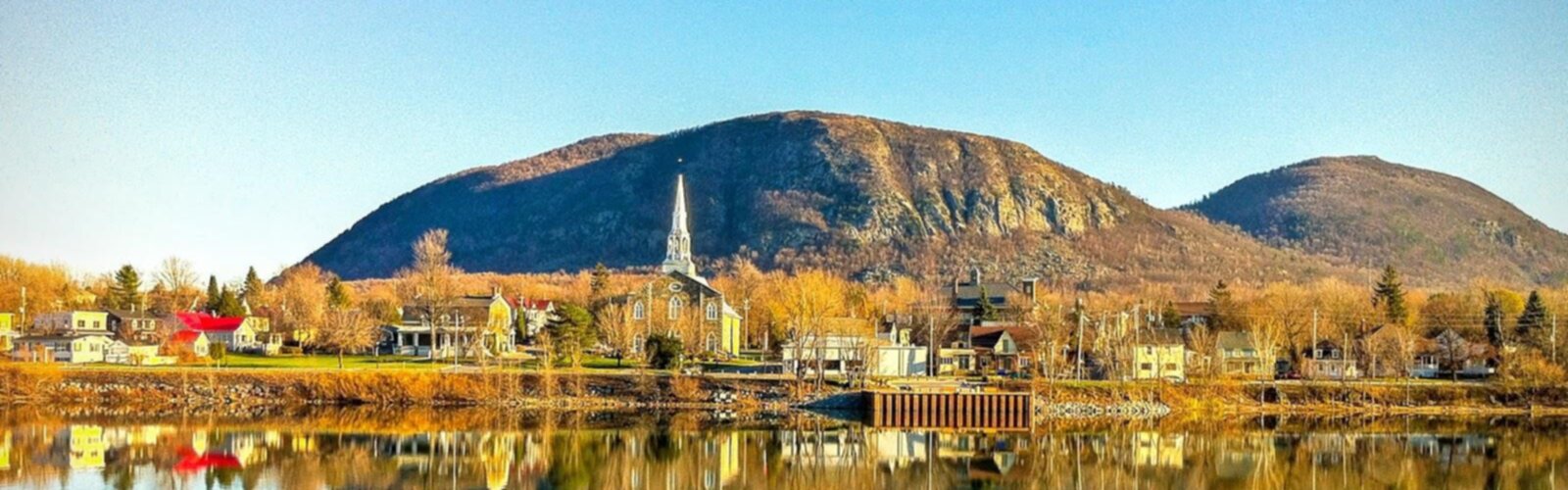
25 hikes under 2 hours from Montreal
Distance, elevation, parking and season for each one. The ones we go back to ourselves.
Get the guideSimilar hikes nearby
Discover other trails you might enjoy

Black Brook Falls
Glooscap Trail
Cape Chignecto Provincial Park
Glooscap Trail
Burntcoat Head Park
Glooscap Trail
Wentworth Falls
Glooscap Trail
North River Waterfall
Glooscap Trail
Shubenacadie Provincial Wildlife Park
Glooscap Trail
Hiking near Truro
70 trails to explore ~27 km away
We work hard to provide the most up-to-date and error-free data possible. If something seems incorrect, let us know! Your contribution helps the whole community.
Hikers' opinions