Ready to explore Polly Cove Hiking Trail? Here's everything you need to know before you go!
Discover the trail
Available trails
| Trails | Distance | Elevation | Duration | Difficulty | GPX |
|---|---|---|---|---|---|
| 1.31 km | 17min | GPX |
Trail description
Description
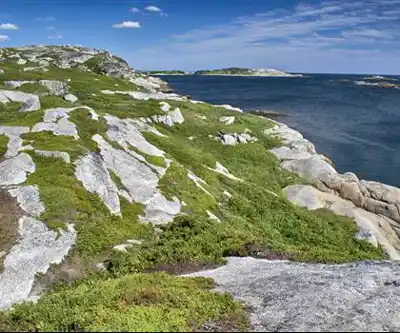
The Polly Cove Hiking Trail offers one of Nova Scotia's most spectacular coastal hiking experiences, delivering dramatic Atlantic shoreline views and rugged granite terrain just a short drive from Halifax. This accessible yet rewarding trail winds along ancient rock formations and through hardy coastal vegetation, providing hikers with an intimate look at the Maritime landscape that defines this corner of the province. Unlike the crowded tourist areas nearby, Polly Cove maintains a sense of wilderness and solitude that makes every visit feel like a personal discovery.
What makes Polly Cove truly special is how it showcases the raw power and beauty of the Atlantic coast without requiring advanced hiking skills or extensive preparation. The trail follows natural contours carved by thousands of years of ocean storms and glacial activity, creating a route that feels both wild and welcoming. You'll find yourself walking through landscapes that seem almost otherworldly, where pink and gray granite meets endless ocean views.
Trail Experience and Terrain
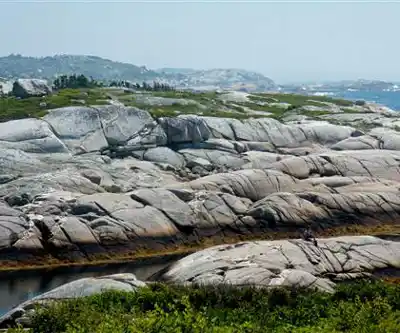
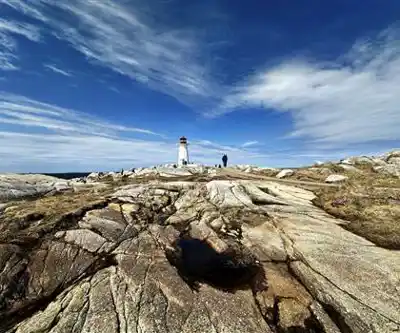
From the moment you step onto the trail, the distinctive character of Nova Scotia's coastal geology becomes apparent. The path takes you across some of the oldest rock formations on Earth, ancient granite that has been shaped and polished by countless Atlantic storms. These smooth, undulating surfaces create a unique hiking experience where you're sometimes following well-defined paths through coastal vegetation and other times carefully picking your way across open rock slabs.
The terrain varies considerably as you progress along the coast. Some sections wind through low-growing shrubs and hardy grasses that have adapted to constant salt spray and wind, while others open onto expansive granite domes that offer unobstructed views in every direction. The rock itself tells a fascinating geological story, with visible layers, cracks, and weathering patterns that reveal millions of years of natural history.
Navigation requires attention, especially when crossing the larger granite sections where the trail may not be immediately obvious. Cairns and painted blazes help mark the way, but the natural beauty of this landscape lies partly in its untamed character. The path feels more like a route through wilderness than a manicured trail, which adds to the sense of adventure and discovery.
Coastal Ecosystem and Wildlife
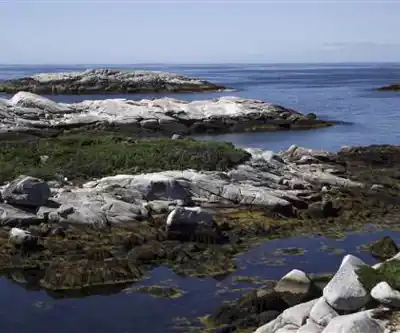
The plant life along Polly Cove represents a masterclass in adaptation to harsh coastal conditions. Hardy species like crowberry, blueberry, and various lichens create colorful carpets across the granite, their low-growing forms perfectly suited to withstand constant wind and salt spray. In more sheltered spots, you'll find stunted spruce and fir trees that have been sculpted by decades of coastal weather into unique, twisted forms.
This coastal barren ecosystem supports a surprising variety of wildlife throughout the hiking season. Seabirds are particularly abundant, with cormorants, various gull species, and terns frequently visible either perched on offshore rocks or actively fishing in the surf below. The rocky coastline provides ideal nesting and roosting habitat, and during migration periods, you might encounter less common species taking advantage of the coastal updrafts.
Keep your eyes on the water as you hike – marine life is often visible from the trail. Seals regularly appear around the rocky points and in the smaller coves, sometimes curious enough to watch hikers from a safe distance. On calm days, you might spot porpoises surfacing in the deeper waters offshore, and the occasional whale sighting isn't unheard of during certain times of the year.
Ocean Views and Photography
The Atlantic Ocean dominates every aspect of the Polly Cove experience, with panoramic water views available from multiple vantage points along the route. On clear days, the horizon seems to stretch forever, broken only by the occasional fishing boat or pleasure craft navigating between the countless small islands that dot this section of coastline. The interplay between granite, vegetation, and ocean creates endless opportunities for photography, whether you're interested in sweeping landscapes or intimate details of coastal adaptation.
The granite formations themselves provide some of the most striking visual elements of the hike. Smooth domes rise directly from the ocean, their surfaces polished by millennia of weather into flowing, sculptural forms. Deep cracks and crevices create dramatic shadows and reveal the internal structure of these ancient rocks, while weathered surfaces display patterns and colors that change throughout the day as the light shifts.
Weather and Seasonal Considerations
Coastal weather in this region can change rapidly and dramatically, often differing significantly from conditions just a few kilometers inland. Even on warm, calm days, the ocean breeze can make temperatures feel much cooler, and fog can roll in with surprising speed, reducing visibility and making navigation more challenging. The exposed nature of much of the trail means you'll have minimal protection from the elements, whether that's intense summer sun or driving rain and wind during shoulder seasons.
The granite surfaces that make this trail so visually striking can become treacherous when wet. Morning dew, light rain, or ocean spray can create an invisible film on the rock that makes footing extremely slippery. This is particularly important to remember near cliff edges, where a slip could have serious consequences. Taking your time and wearing appropriate footwear becomes crucial for both safety and enjoyment.
Safety and Preparation
Proper footwear makes the difference between a memorable hike and a potentially dangerous situation. The granite terrain demands boots with aggressive tread patterns and good ankle support. Smooth-soled shoes or worn treads can turn even gentle slopes into hazardous terrain, especially if there's any moisture present on the rocks.
The cliff edges along Polly Cove are real and require constant awareness. The combination of potentially slippery granite and significant drop-offs means that careful foot placement and attention to your surroundings are essential throughout the hike. This is especially important if you're hiking with children or dogs, who may not recognize the dangers posed by seemingly innocent rock surfaces near the ocean.
While cell phone coverage is generally reliable due to the open terrain and proximity to developed areas, it's still wise to let someone know your hiking plans before heading out. Weather conditions can deteriorate quickly on the coast, and having a backup plan or expected return time provides an important safety margin.
Environmental Responsibility
The pristine character of Polly Cove depends entirely on visitors taking personal responsibility for protecting this fragile coastal environment. The thin soils and specialized plant communities that make this ecosystem unique can be easily damaged by foot traffic, and recovery times in this harsh environment can span decades. Staying on established paths protects both the landscape and ensures that future visitors can enjoy the same unspoiled beauty.
Leave No Trace principles take on special importance in coastal environments like this one. Pack out everything you bring in, including organic waste that might seem harmless but doesn't decompose well in the salt-spray environment. Avoid disturbing rocks, plants, or wildlife, and resist the temptation to create shortcuts or new routes, even when the established path seems inconvenient. These small individual actions, multiplied across thousands of annual visitors, determine whether places like Polly Cove retain their wild character for future generations.
Ready to go?
Everything you need to know before you goStarting Point
The polly cove hiking trail is located in Peggy's Cove, Nova Scotia. To get to the start of the trails, take exit 5 from Highway 103 and drive east on Highway 333 for about 9 km. The trailhead will be on your left.
When?
How much?
- Hiking shoes Essential
- Layered clothing Essential
- Rain jacket Essential
- Trekking poles
- Headlamp
FAQ - Frequently asked questions
Everything you need to knowThe Essential Hiking Checklist
Everything you need for your next hike. Bilingual, printable, 1 page.
Download the free checklistSimilar hikes nearby
Discover other trails you might enjoy
Sandy Lake
Halifax Dartmouth
South Lake
Halifax Dartmouth
Cranberry Lake
Halifax Dartmouth
Rocky Lake Quarry
Halifax Dartmouth
Lake Charlotte, Nova Scotia
Halifax Dartmouth
Kidston Lake
Halifax Dartmouth
Hiking near Halifax
71 trails to explore ~30 km away
We work hard to provide the most up-to-date and error-free data possible. If something seems incorrect, let us know! Your contribution helps the whole community.
Hikers' opinions